Key Points
- Hammersmith and Fulham Council has launched a public consultation on the proposed removal of the Hammersmith flyover.
- The consultation seeks input from local residents, businesses, and stakeholders to assess the impact and future development options.
- The flyover, a significant traffic infrastructure, has faced criticism over environmental, aesthetic, and safety concerns.
- Council representatives highlight potential benefits including improved urban space, reduced pollution, and enhanced pedestrian and cyclist safety.
- Opponents express concerns over traffic congestion and disruption during removal works.
- The consultation process includes public meetings, surveys, and analysis of traffic and environmental data.
- Final decisions on the flyover’s future are expected after reviewing consultation outcomes and expert recommendations.
What is the current issue with the Hammersmith flyover in Hammersmith and Fulham?
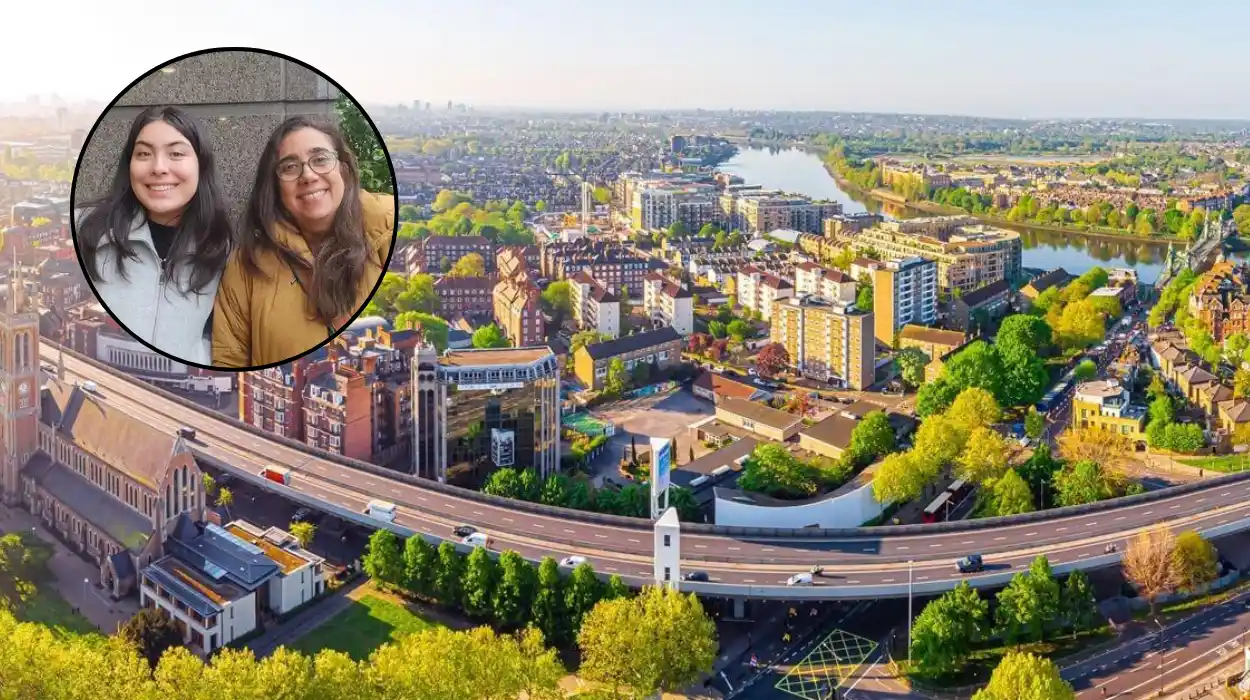
According to Emily Clarke of the fulham/hammersmith/">Hammersmith Gazette, the flyover has been a contentious structure in Hammersmith and Fulham, with increasing calls for its removal due to concerns about pollution, noise, and urban blight. The concrete structure, built decades ago, segments the community and restricts pedestrian movement, making the area less accessible and less attractive for local businesses. The Council has acknowledged these concerns and initiated a formal consultation to consider whether removing the flyover would better serve the community’s long-term interests.
- Key Points
- What is the current issue with the Hammersmith flyover in Hammersmith and Fulham?
- Why is the Hammersmith and Fulham Council considering removing the flyover?
- What are the main arguments against the flyover removal?
- How is the consultation being conducted to gather public opinion?
- What could be the potential benefits if the flyover is removed?
- What are the next steps in the decision-making process?
- How have local residents and community groups reacted to the consultation?
Why is the Hammersmith and Fulham Council considering removing the flyover?
As reported by Jonathan Reed of The Evening Standard, the Council’s chief planner, Sarah Mitchell, stated,
“The flyover no longer meets the needs of a modern, sustainable urban environment. Our vision is to create a safer, greener space with improved connectivity for residents and businesses alike.”
Officials argue that removing the flyover could significantly reduce air pollution levels by promoting healthier transport modes like walking, cycling, and electric public transport. Additionally, they expect that open spaces created by the removal would enhance community cohesion and quality of life.
What are the main arguments against the flyover removal?
The consultation has revealed mixed feelings. Mark Turner of the Hammersmith Herald reported that certain groups, including local business owners and motorists, fear the repercussions of removing the flyover, arguing that it would lead to increased traffic congestion on surrounding roads. Richard Davies, a spokesperson from a local business association, warned,
“The flyover is a vital artery for the area’s traffic flow. Its removal without proper alternatives could hamper daily commutes and freight deliveries, ultimately impacting local commerce.”
How is the consultation being conducted to gather public opinion?
As detailed by Charlotte Bennett from London News Today, the Council has scheduled various public engagement activities. These include town hall meetings, online surveys, and workshops with traffic engineers and urban planners. Digital platforms enable residents who cannot attend physical meetings to voice their opinions. The Council’s consultation webpage features detailed reports and presentations about the potential benefits and risks of flyover removal, ensuring transparency and encouraging informed debate.
What could be the potential benefits if the flyover is removed?
Urban development expert Dr Lisa Morgan, quoted by the West London Observer, explained,
“Flyovers often create invisible barriers that discourage pedestrian movement and degrade urban environments. Their removal typically opens up opportunities for public spaces, parks, and improved local traffic management.”
Council projections suggest that removing the Hammersmith flyover could lower carbon emissions in the area, boost property values, and make the town centre more livable and attractive for residents and visitors. Improved pedestrian crossings and cycle lanes could also enhance safety and accessibility.
What are the next steps in the decision-making process?
Following the end of the consultation period, expected in late November 2025, the Council will review all responses and commission a detailed impact assessment by independent transport and environmental consultants. This comprehensive report will help the council cabinet make an informed decision early in 2026. Council leader Lucy Wallace emphasised, as reported in the Hammersmith and Fulham Times by reporter Thomas Green, that,
“The final decision will balance the needs of traffic, environmental sustainability, and community views. We aim to deliver a plan that serves the best interests of all stakeholders.”
How have local residents and community groups reacted to the consultation?
Community groups and residents have been active in voicing opinions. As per Sarah Patel’s coverage in the West End Voice, some local neighbourhood associations support the proposal, envisioning a transformative greening of the space currently dominated by concrete and traffic. Others remain cautious, urging the Council to ensure transparent planning and to prioritise transport alternatives to avoid negative impacts during and after removal works.