Key Points
- Hammersmith and Fulham Council proposes to demolish the Hammersmith Flyover and replace it with a tunnel (flyunder) as part of a long-term 15-year plan.
- The plan aims to reconnect communities divided by the flyover and parts of the A4 road, restoring the historic street layout and improving access to the River Thames.
- Replacing the flyover with a tunnel would free up land for new homes, cultural and leisure facilities, and parks.
- The council hopes costs for the tunnel would be offset by monetising land released by removing the flyover.
- Public consultation on the draft Local Plan, including the tunnel proposal, is expected soon, with adoption targeted for November 2027.
- A feasibility study (2013-2014) estimated traffic disruptions during construction could last around 18 months.
- Transport for London (TfL) currently has “no plans” to replace the flyover but is open to discussions with the borough.
- Community reactions vary, with some positive views but also concerns about the scale, cost, and whether the plan sufficiently addresses wider traffic and connectivity issues.
What are the plans for the Hammersmith Flyover in West London?
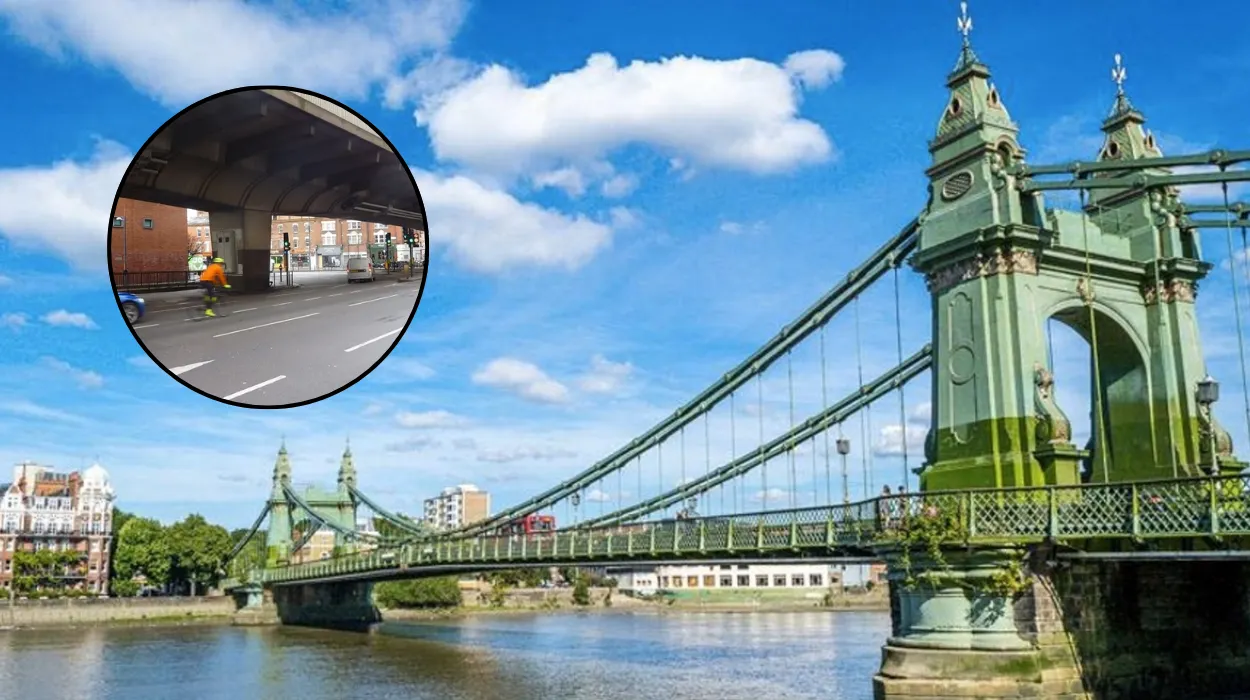
As reported by the BBC on October 9, 2025, fulham/hammersmith/">hammersmith-and-fulham/">Hammersmith and Fulham Council is proposing to remove the aging Hammersmith Flyover and parts of the A4 road, replacing them with a tunnel or “flyunder” as part of a draft Local Plan. This 15-year strategic plan aims to be ready for adoption by November 2027. The council emphasises that the flyover, constructed in 1961 to ease traffic congestion, has had negative effects by isolating Hammersmith town centre from the River Thames, disrupting the Victorian street layout, and causing significant traffic and pollution challenges. By replacing the flyover with a tunnel, the Council hopes to reconnect divided communities and enhance urban conditions in the area, including noise and pollution reduction.
- Key Points
- What are the plans for the Hammersmith Flyover in West London?
- Why does the council want to replace the flyover with a tunnel?
- How will this project affect traffic and construction disruptions?
- What is the public reaction to the tunnel plan?
- What role does Transport for London play in the plan?
- What are the next steps for the tunnel proposal?
Why does the council want to replace the flyover with a tunnel?
As detailed by the Hammersmith Society and reported in Hammersmith Today on October 18, 2025, the plan to replace the flyover with a tunnel is not new and dates back to the 1960s. The council’s draft Local Plan outlines that removing the flyover and parts of the A4 would free up crucial land, enabling the development of new homes, cultural venues, leisure facilities, and updated public spaces such as St Paul’s Green and Furnivall Gardens. This initiative would also help reconnect communities currently divided by the flyover’s physical barrier. Importantly, the council anticipates funding the tunnel construction by monetising the new land opportunities created from removing the flyover structure.
How will this project affect traffic and construction disruptions?
According to reporting by the Local Democracy Reporting Service cited by the BBC, a feasibility study conducted between 2013 and 2014 found that traffic interruptions on the A4 could last about 18 months, which would be half the total estimated construction duration. The council’s draft plan stresses the need for any initiative to carefully balance construction impacts with the consequences of leaving the flyover as it is, which would require disruptive maintenance and upgrades in the future. Transport for London has stated it currently has no plans to replace the flyover but remains open to discussions concerning the borough’s long-term plans.
What is the public reaction to the tunnel plan?
Community responses have been mixed. As reported by The Standard via Reddit comments and social media feedback, some residents welcome the plan as a means to enhance Hammersmith’s appeal and reconnect neighborhoods. However, others express scepticism about the cost, scale, and effectiveness. A noted critic on Reddit highlighted concerns that the council’s visualisations of the redevelopment are overly optimistic and may not accurately represent traffic or land use changes. The critic argues that the flyover itself is not the primary barrier to community connectivity but surface roads are, and suggests a more comprehensive approach with expanded tunneling and a greater focus on reducing road lanes and promoting cycling and public transportation. They caution against viewing the project as a complete solution when it replaces a four-lane flyover with a tunnel potentially carrying the same traffic volume, thus not reducing congestion significantly.
What role does Transport for London play in the plan?
As per the BBC report, Transport for London currently has no active plans to replace the Hammersmith Flyover. TfL commented that local borough plans reflect their long-term aspirations, and TfL is willing to engage in discussions about them. The council plans to collaborate closely with TfL and other relevant stakeholders to deliver the project, anticipating shared responsibilities. However, until formal agreements and funding mechanisms are established, TfL’s role remains consultative.
What are the next steps for the tunnel proposal?
According to Hammersmith and Fulham Council’s official website and recent news release on October 20, 2025, the draft Local Plan including the tunnel proposal will shortly proceed to public consultation. This draft plan intends to guide development from 2027 to 2042, addressing transport, housing, and environmental goals. The council aims to finalise the plan for formal adoption in November 2027. The removal of the flyover and sections of the A4 and their replacement with a tunnel will be a major component of this vision to reconnect Hammersmith town centre with the River Thames and provide new land for homes, parks, and improved public access.
The Hammersmith and Fulham Council’s plan to replace the Hammersmith Flyover with a tunnel represents a significant urban redevelopment and transport initiative. It seeks to heal long-standing community divides and improve environmental conditions, while creating opportunities for housing and cultural development. However, challenges around construction disruption, funding, and scope remain topics of debate among stakeholders and the public. The local community and Transport for London will both play critical roles as formal discussions and consultations proceed toward planned adoption of the strategy by late 2027.