Key Points
- Transport for London (TfL) plans to launch the West London Orbital rail service, linking Hounslow to Hendon and West Hampstead.
- The service will utilise underused rail lines, including the Dudding Hill line, currently dedicated to freight.
- The route will feature up to 21 stations, with four new ones: Old Oak Common Lane, Neasden, Harlesden, and Lionel Road.
- The new line aims to connect West and North London, improving links between areas such as Old Oak, Park Royal, Burnt Oak, Colindale, Brent Cross, Cricklewood, Wembley, and the Great West Corridor.
- Trains will operate on either full electric power or a combination of battery and overhead electric.
- Mayor Sir Sadiq Khan called for increased government investment to fund the project, highlighting its potential for job creation and economic growth.
- TfL expects the line to enhance air quality, reduce congestion, support new homes, and boost local high streets by improving access to town centres.
What is the West London Orbital rail service and what route will it cover?
As highlighted by David O’Neill of MyLondon, Transport for London (TfL) is proposing a transformative rail project known as the West London Orbital. This new line aims to convert underused railway lines in West London into a vibrant travel link connecting West to North London.
- Key Points
- What is the West London Orbital rail service and what route will it cover?
- Which existing lines and stations will be used for the West London Orbital?
- What are the expected environmental and economic benefits?
- How will the service operate in terms of technology and train power?
- Who will benefit from the West London Orbital rail service?
- What is the timeline and the next steps for the West London Orbital?
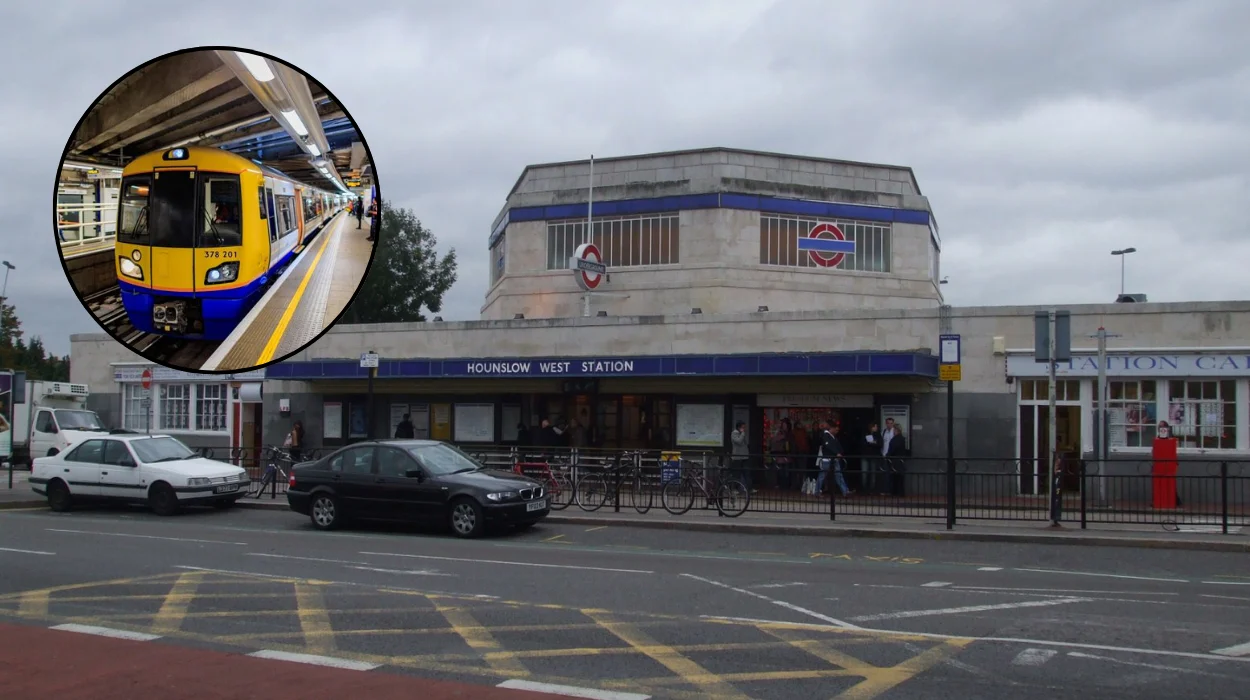
The 18.5-kilometre service would start in Hounslow, a key hub in West London, advancing northwards to Hendon and West Hampstead in North London. The route includes areas like Old Oak, Park Royal, Burnt Oak, Colindale, Brent Cross, Cricklewood, Wembley, and the Great West Corridor — locations currently underserved by direct rail connections.
Which existing lines and stations will be used for the West London Orbital?
As reported by Daniel Cooper of Evening Standard, the scheme will primarily use the existing Dudding Hill line, which is currently utilised only for freight services. TfL plans to integrate these lines into the London Overground network, leveraging underused infrastructure to create new passenger services.
TfL anticipates up to 21 stations along the route, incorporating existing stations and adding four new ones. These new stations comprise Old Oak Common Lane—which will provide interchange with High Speed 2 (HS2) services—and three others located at Neasden, Harlesden, and Lionel Road.
What are the expected environmental and economic benefits?
In an address covered by Amelia Gentleman for The Guardian, London Mayor Sir Sadiq Khan stressed the vital importance of investment in transport infrastructure to both the economy and the environment. He described the West London Orbital as a project that “could transform the future of transport in the capital.”
The Mayor urged the UK Government to back these efforts, citing potential benefits including new jobs, economic growth, and cleaner air. TfL anticipates that the new rail service would reduce road congestion and improve air quality, contributing to London’s climate goals.
How will the service operate in terms of technology and train power?
Transport Network detailed that the line’s trains would run either fully on electric power or a combination of battery and overhead electric systems. This flexible approach aims to provide efficient and sustainable service along both electrified and non-electrified sections of the route.
Who will benefit from the West London Orbital rail service?
TfL states the line will connect residential areas to key town centres, making travel easier and supporting high street economies. As noted by Claire Carter at Rail Journal, the service will help unlock housing developments and job opportunities along the corridor by improving transport links in communities that have historically struggled with poor connectivity.
What is the timeline and the next steps for the West London Orbital?
TfL’s preliminary plans are currently at a consultation and development phase. Further government funding approval and stakeholder support will be essential to advance detailed design and eventual construction.
Mayor Khan has called on the Government to commit further resources in the upcoming spending plans, highlighting that this project aligns with broader goals for economic recovery, job creation, and sustainable urban growth.
The West London Orbital rail line represents a significant step in reshaping London’s transport landscape by reusing existing infrastructure to serve new purposes. With its combination of new stations and connections, the scheme could become a vital bridge between West and North London, offering environmental benefits and economic uplift.