West Ealing Station officially opened its doors on March 1, 1871, originally named Castle Hill on the Great Western Railway (GWR). The station’s inception marked a critical point in the development of West London’s railway network, aligning with broader transportation expansion during the Victorian era. The railway line running from London Paddington through Ealing to Maidenhead, constructed in the late 1830s, spurred the growth of suburban communities, including West Ealing.
- Early Development and Name Changes
- Growth Spurred by Railway Expansion
- Architectural and Operational Evolution
- Recent Developments and Modernization
- West Ealing Station Today
- Transportation Connectivity
- The Area Surrounding the Station
- Cultural and Social Significance
- The Future of West Ealing Station and Its Surroundings
- Sustainability and Community Focus
Early Development and Name Changes
Initially, the station was constructed with four platforms, positioned in a staggered layout to accommodate the increasing railway traffic. The station’s proximity to the London Co-operative Society’s main creamery led to the addition of a dedicated milk train platform in the early 20th century, highlighting its role in local industry. It was renamed Castle Hill Ealing Dean in 1875, then later Castle Hill and Ealing Dean stations, before adopting the name West Ealing in 1899, reflecting its geographical identity and serving the expanding suburbs of West London.
Growth Spurred by Railway Expansion
The railway’s development significantly influenced West Ealing’s growth. The opening of the Great Western Railway’s extension from Ealing to Greenford and the introduction of tram lines in the early 1900s facilitated residential expansion and economic development. Notable infrastructure projects included the District Railway’s halt at Northfields in 1907 and the tramway connecting Ealing to Southall, which bolstered connectivity and urbanization.
Architectural and Operational Evolution
Throughout the 20th century, West Ealing Station saw multiple upgrades to accommodate growing passenger demand and modernize its facilities. The station was managed by various railway companies, including the GWR, London United Tramway Company, and later, the London Underground’s District Railway.
Recent Developments and Modernization
In recent years, West Ealing Station has continued its evolution to meet contemporary needs. In December 2017, management was transferred to MTR Crossrail, marking its integration into the Elizabeth Line network—one of London’s most significant transportation projects aimed at improving connectivity across the city and suburbs.
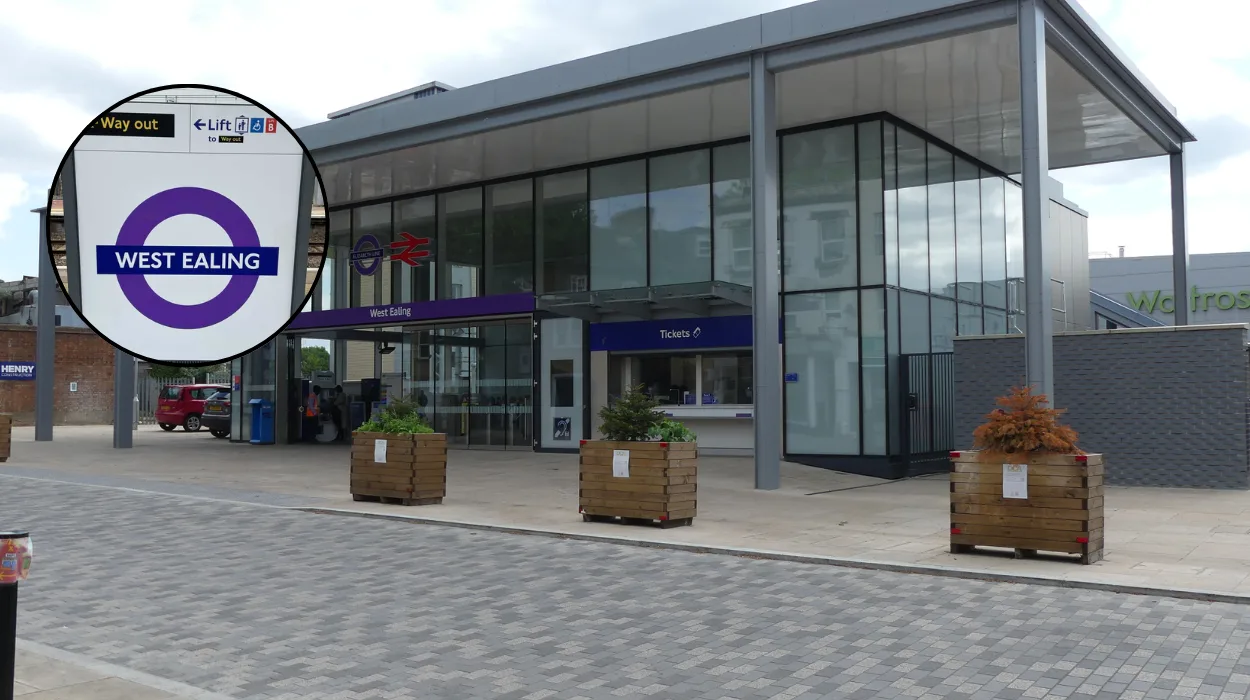
The station underwent a major rebuild, culminating with the opening of a new, fully accessible station building on March 25, 2021. This development included step-free access to all platforms, enhancing accessibility for all users and modernizing the station’s facilities. The previous station building on Drayton Green Road was closed, emphasizing the move towards a more integrated, passenger-friendly station environment.
West Ealing Station Today
Today, West Ealing Station stands as a vital artery in West London’s transportation network, serving local residents, commuters heading into central London, and visitors exploring the area’s rich history and vibrant neighborhoods.
Transportation Connectivity
The station provides extensive connectivity options:
- Elizabeth Line services, offering fast, efficient travel to Central London, Heathrow Airport, and beyond
- Overground connections linking West Ealing to other suburban areas
- Bus services connecting nearby neighborhoods
This infrastructure supports the area’s residential appeal by offering seamless transit options, encouraging continued growth and development.
The Area Surrounding the Station
West Ealing itself has experienced a renaissance, blending historic charm with modern vibrancy. The local community boasts a rich history dating back to Saxon times, with significant developments during the Victorian period, notably due to the railway expansion.
The neighborhood features a variety of local amenities, parks, shops, cafes, and cultural sites that make it an attractive destination for families and young professionals. Its historic connections remain evident through preserved buildings and plaques that commemorate the area’s railway heritage.
Cultural and Social Significance
West Ealing is also known for its diverse community and cultural offerings. The area’s long-standing history as a suburban hub connected to London’s grand railway expansion has fostered a multicultural environment. Today, residents enjoy a vibrant mix of traditions, cuisines, and community events.
Local initiatives and historical societies, such as West Ealing Neighbours, actively promote heritage conservation and community engagement, ensuring the area’s history remains integral to its identity.
The Future of West Ealing Station and Its Surroundings
Looking ahead, West Ealing Station is poised for further upgrades and innovations to enhance efficiency and sustainability. Future projects include improved station facilities, integration with local transport schemes, and development plans aimed at increasing residential and commercial spaces around the station.
Sustainability and Community Focus
Sustainability initiatives, such as the installation of energy-efficient lighting and eco-friendly infrastructure, are already underway. Additionally, the ongoing development of local amenities and green spaces aims to create a more sustainable, livable community that maintains its historic charm.
West Ealing Station exemplifies the transformative power of railway development on London’s suburban growth, blending historical significance with modern infrastructure. Its evolution from a Victorian-era station to a modern transit hub reflects broader trends in transportation, urban planning, and community building in West London. As the station continues to adapt and expand, it remains a vital part of the area’s identity—a symbol of progress rooted in history.