Key Points
- Old Oak is a vast regeneration project spanning approximately 70 acres (around 283,000 square metres) of publicly owned brownfield land in west London.
- Plans include building over 25,000 new homes, with at least 50% designated as affordable housing, including social rent.
- The project aims to deliver up to 56,000 new jobs alongside extensive commercial, community, and green spaces.
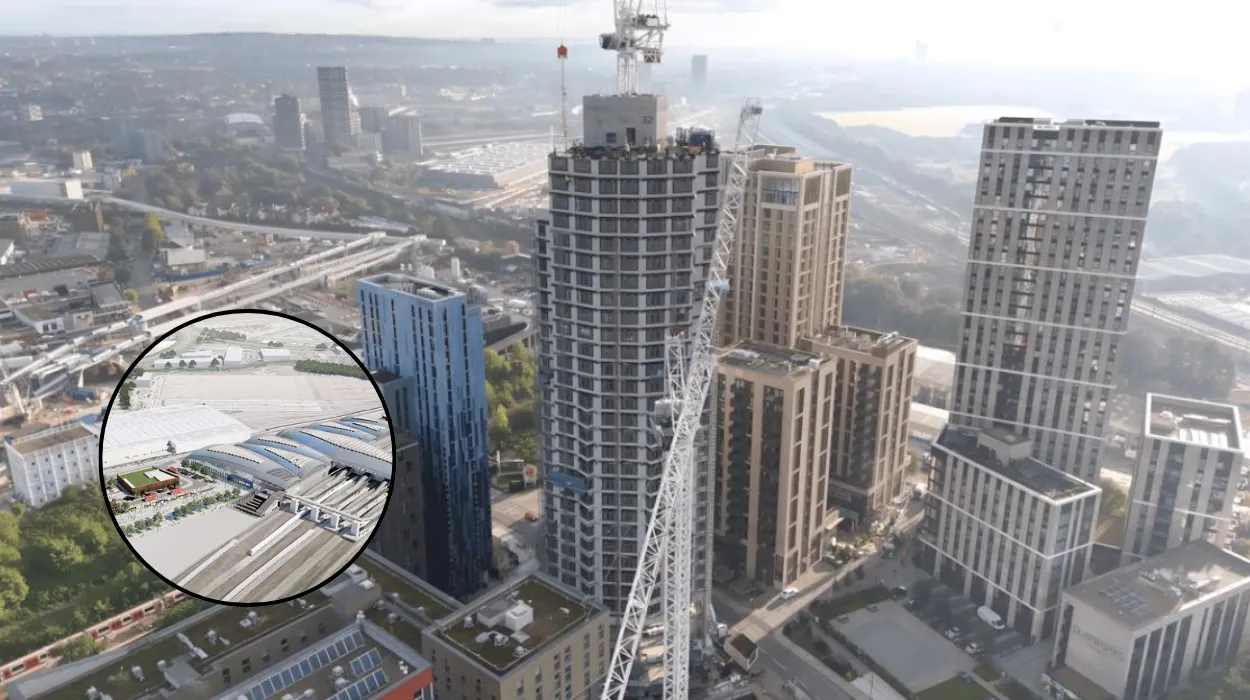
- Central to the development is the new Old Oak Common station, a major transport interchange connecting HS2, the Elizabeth Line, and national rail services.
- The Old Oak and Park Royal Development Corporation (OPDC) is the planning authority driving the regeneration.
- OPDC has recently initiated a Compulsory Purchase Order (CPO) process to acquire around 31 hectares of land to unlock stalled sites and ensure the delivery of planned infrastructure and housing.
- The regeneration supports key Mayor of London goals around housing affordability, inclusivity, sustainability, and economic growth.
- No existing homes will be demolished; instead, vacant or industrial land will be repurposed.
- The project is expected to unfold over the next 20-30 years, with transport infrastructure opening in phases from the late 2020s.
What Is the Current Status of the Old Oak Regeneration Project?
As updated on 16 September 2025 by the Old Oak and Park Royal Development Corporation, a key milestone has been reached with the initiation of a Compulsory Purchase Order (CPO) affecting approximately 31 hectares of land. This CPO is designed to overcome fragmentation in land ownership which has been a barrier to comprehensive regeneration. It will allow the OPDC to acquire land necessary for the delivery of infrastructure, including construction sites for the HS2 line and the new Old Oak Common station.
- Key Points
- What Is the Current Status of the Old Oak Regeneration Project?
- How Many Homes and Jobs Will Old Oak Deliver?
- What Makes Old Oak a Unique Development Opportunity?
- How Is Transport Infrastructure Integrated into the Plan?
- What Are the Social and Environmental Goals of the Project?
- What Challenges Does the Project Face?
- When Will Old Oak Be Fully Completed?
- How Does Old Oak Align with London’s Wider Regeneration Plans?
OPDC has prioritised engagement and negotiation with landowners to secure as many interests by agreement as possible. However, the CPO process will provide certainty that the land needed for development will be available within a reasonable timeframe. The CPO will be submitted for confirmation by the Secretary of State, with a public inquiry to consider any objections if necessary.
How Many Homes and Jobs Will Old Oak Deliver?
According to multiple sources including Opportunity London and Ealing Council frameworks, the vision for Old Oak is to deliver over 25,000 new homes within the next three decades. Of these, around half are aimed to be affordable housing, with specific targets for social rent, such as 1,000 council homes.
Alongside housing, the development will create up to 56,000 new jobs, supporting a mix of business sectors including tech, creative industries, and life sciences. This makes Old Oak a significant contributor to West London’s economic future.
What Makes Old Oak a Unique Development Opportunity?
The combination of scale, location, and transport connectivity sets Old Oak apart. It is the largest brownfield regeneration opportunity in London and one of the UK’s most ambitious urban projects. The new transport hub, Old Oak Common station, will integrate HS2 high-speed rail, the Elizabeth Line, and national rail services, dramatically improving accessibility.
The development will also include significant public realm improvements, such as 20 acres of public open space, 6 acres of parks, canal enhancements, and innovative low-carbon energy networks to promote sustainability.
How Is Transport Infrastructure Integrated into the Plan?
The transport infrastructure is critical. Old Oak Common station, currently under construction, is projected to open in phases from the late 2020s with full HS2 services expected in the early 2030s. This station will be a pivotal interchange, connecting London to major UK cities and facilitating the flow of residents, workers, and visitors.
TfL, Network Rail, and other agencies are coordinating to ensure seamless connections with local public transport, cycling, and walking routes to support a low-carbon, accessible neighbourhood.
What Are the Social and Environmental Goals of the Project?
Socially, Old Oak aims to address London’s housing affordability crisis by delivering a large proportion of affordable and social housing, targeting new homes for families and disadvantaged groups. More than 8,000 households are currently on waiting lists in boroughs neighboring Old Oak, emphasising the project’s vital role in housing supply.
Environmentally, the project targets sustainable design and energy use, including district heating networks and enhanced green spaces, supporting London’s Net Zero 2030 ambitions.
What Challenges Does the Project Face?
Challenges include land ownership complexity, requiring CPO use, and the coordination of multiple stakeholders including borough councils of Ealing, Brent, and Hammersmith & Fulham.
There are also concerns about community impact, gentrification, and ensuring inclusivity in what will be a new urban district.
The long development timeline of 20-30 years introduces risks from changing economic or political conditions but the project’s scale and transport investment underpin its resilience.
When Will Old Oak Be Fully Completed?
Phased development will continue through the late 2020s and 2030s. Major transport infrastructure like Old Oak Common station will start opening in the late 2020s, with HS2 services expected in the early 2030s.
Residential and commercial construction will continue incrementally thereafter, with the full realisation of the “new town” envisaged over 20-30 years.
How Does Old Oak Align with London’s Wider Regeneration Plans?
Old Oak sits alongside other flagship London regeneration projects like Battersea Power Station and Stratford City. Its focus on outer west London helps balance growth from central London while promoting economic diversification and sustainable urban planning.
The Mayor of London’s vision includes Old Oak as a model of inclusive, accessible, and sustainable urban renewal, incorporating life sciences and technology sectors to cement London’s global city status.