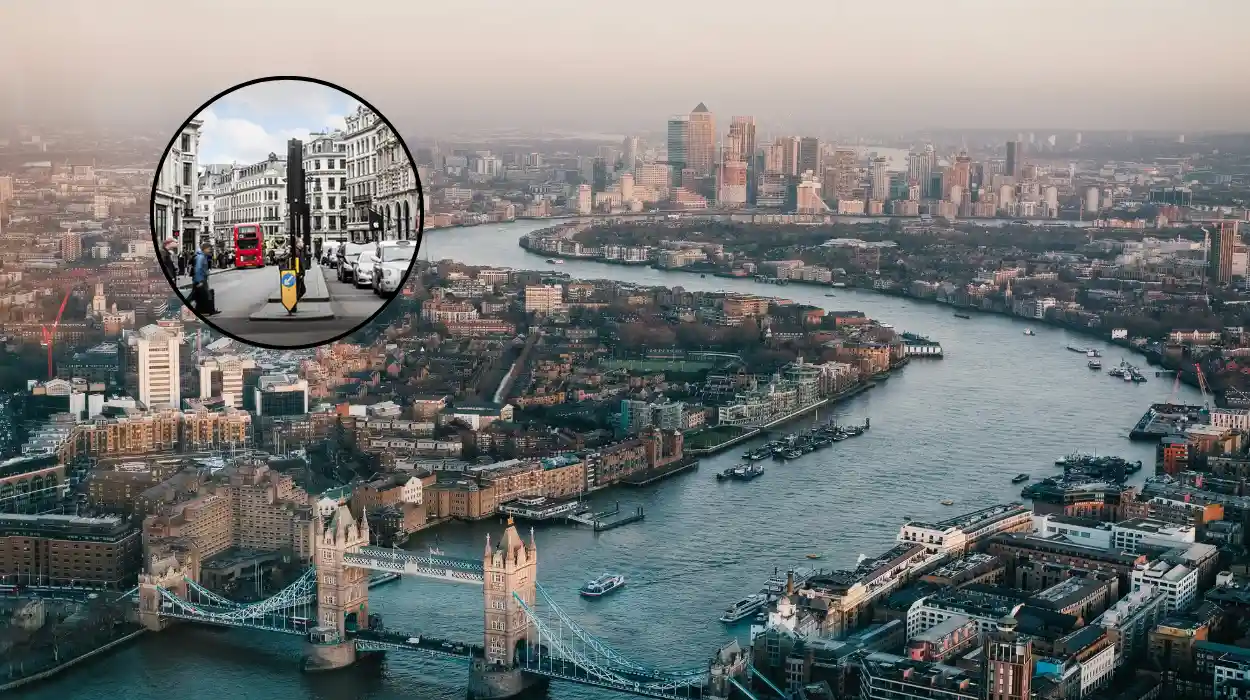
West London towns emerged from early settlements around Thorney Island, site of Westminster Abbey and the Palace of Westminster, dating back to the 7th century with records from the 960s. This area grew alongside ribbon developments west from the City of London’s walls, particularly along roads from Ludgate and Newgate gates leading to Westminster. By the 17th century, these expansions connected through high-status developments like St James’s and Mayfair, spearheaded by Henry Jermyn, establishing the West End as a fashionable hub for aristocrats near royal palaces and Parliament.
17th Century Expansion and Aristocratic Influence
The Great Fire of London in 1666 spurred a building boom westward, as housing shortages in the City pushed development into areas like Covent Garden, which set trends for elite suburbs. Aristocrats and professionals favored the west for proximity to Whitehall, St James’s Palace, and the Inns of Court, creating a divide where wealthier classes settled west while working classes stayed east and north. Developments featured long leases up to 99 years with ground rents, leading to squares like Bloomsbury Square that influenced London’s urban layout for centuries.

Victorian Era Growth and Suburban Transformation
Railway expansion in the Victorian period accelerated West London’s suburbanization, with termini at Paddington and Marylebone enabling commuter growth from rural villages into residential towns. This era brought ornate Victorian and Edwardian architecture, including bay windows and brickwork, transforming places like Ealing into commuter havens known as the “Queen of the Suburbs.” The trend continued into the 20th century with motorcars, though post-World War II Green Belt policies stabilized expansion.
Key Towns and Their Unique Developments
Ealing evolved from farmland into a cultural center with Ealing Studios and Victorian parks, maintaining a community-focused identity. Richmond upon Thames highlights royal heritage through Georgian buildings and expansive Richmond Park, blending riverside charm with natural preservation. Chiswick traces Saxon fishing village roots along the Thames, growing through artistic enclaves and infrastructure like the A316 road, integrating into modern Hounslow borough life. Brentford leverages its Thames industrial past for waterfront regeneration, while Hounslow shifted from coaching stops to a multicultural airport-adjacent hub. Chelsea embodies luxury with galleries, boutiques, and events like the Flower Show, rooted in artistic sophistication.
Cultural and Architectural Legacy
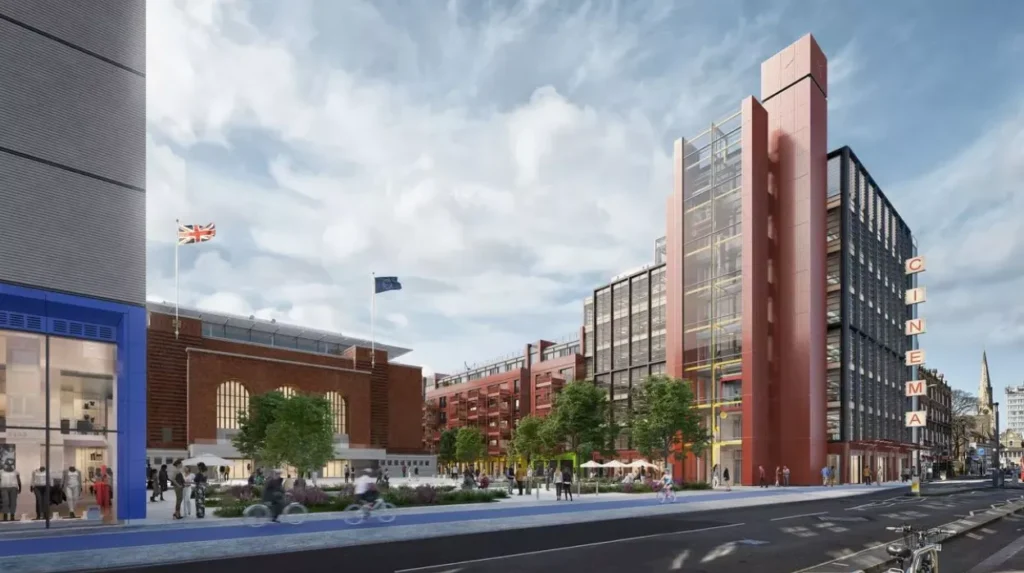
West London towns showcase a mix of architectural styles from medieval Westminster to 17th-century palaces and 20th-century modernism, like the Brunswick Centre. Cultural venues in fulham/hammersmith/">Hammersmith and Shepherd’s Bush, including theaters and music spots, underscore the area’s entertainment role. Historic sites such as Chiswick House and Hogarth’s home preserve riverside life, while green spaces and canals offer ongoing lifestyle balance amid urban density.kfh+1
Modern Connectivity and Appeal
Excellent transport via Underground lines, rail from Paddington, and Heathrow access makes West London ideal for professionals and families. Regeneration projects enhance waterfronts and retail, sustaining economic vibrancy. The blend of history, diversity, and amenities—from Ealing’s studios to Richmond’s parks—ensures enduring residential and visitor draw in this dynamic region.