Key Points
- Incident occurred at around 4pm on Thursday, 11 December, at White City Underground station in west London.
- A woman was present with two young children when an unidentified man entered the station and kicked the children, causing them to fall over.
- The man immediately walked away into the station and boarded an eastbound Central Line train.
- Neither child suffered any injuries but both were understandably upset; the woman was incredibly shaken.
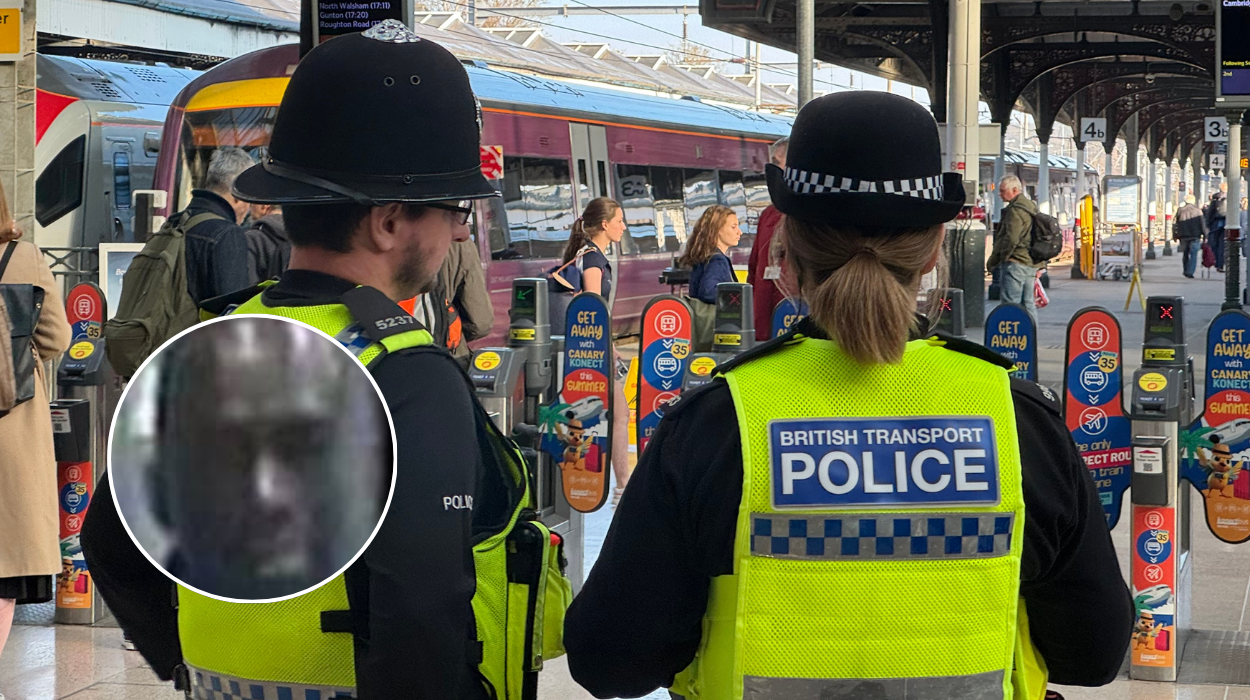
- British Transport Police (BTP) have released an image of a man they wish to speak to, believing he could have information to assist enquiries.
- Public urged to contact BTP by texting 61016 or calling 0800 40 50 40, quoting reference 472 of 11 December.
- No additional injuries reported; focus remains on identifying the suspect for questioning.
What Happened at White City Underground Station?
The assault took place at precisely 4pm on Thursday, 11 December, within fulham/white-city/">White City Underground station, a key stop on the Central Line in west London. According to the British Transport Police press release, a woman was at the station with two young children when
- Key Points
- What Happened at White City Underground Station?
- Who Are the Victims and What Was the Impact?
- Why Have Police Released the Man’s Image?
- How Can the Public Assist the Investigation?
- When and Where Exactly Did the Assault Occur?
- What Measures Are BTP Taking Post-Incident?
- Has Similar Incidents Occurred at London Stations?
- Who Is the Suspect and What Does He Look Like?
- Why Was No Immediate Arrest Made?
- What Broader Implications for Child Safety in London?
- How Does BTP Handle Public Appeals Effectively?
“a man entered the station and kicked the children, causing them to fall over.”
This unprovoked act shocked onlookers and station users, highlighting vulnerabilities in crowded public spaces.
He then
“immediately walked away into the station and boarded an eastbound Central Line train,”
as detailed in the BTP account. The rapid departure suggests intent to evade immediate confrontation or capture, complicating initial response efforts. Station CCTV footage proved instrumental in obtaining a clear image of the suspect, which officers have now publicised.
Who Are the Victims and What Was the Impact?
The victims comprised two young children accompanied by a woman, whose identities remain protected in line with safeguarding protocols for minors.
“Neither of the children suffered any injuries but were understandably upset and the woman incredibly shaken,”
states the BTP release verbatim. This underscores the emotional toll, even absent physical harm, on families navigating everyday commutes.
No further details on the children’s ages or the woman’s identity have been disclosed, prioritising privacy during the ongoing probe. The incident’s psychological effects ripple beyond the immediate parties, prompting wider discussions on child safety in transport networks. Authorities emphasise that while no lasting physical damage occurred, the trauma warrants thorough investigation.
Why Have Police Released the Man’s Image?
Officers believe the man in the image could have information that may assist their enquiries, declares the BTP statement directly. This standard procedure in public appeals leverages community recognition to advance stalled investigations, particularly when suspects abscond swiftly. The image, sourced from station surveillance, depicts a clear likeness to facilitate public assistance.
Releasing such imagery balances investigative needs with data protection laws, focusing solely on those deemed relevant. BTP’s strategy reflects broader trends in UK policing, where CCTV ubiquity aids identification but relies on public vigilance. No description beyond the image has been provided, urging viewers to assess familiarity independently.
How Can the Public Assist the Investigation?
Anyone recognising the man or holding pertinent information is instructed to
“text BTP on 61016 or call 0800 40 50 40, using the reference 472 of 11 December.”
These channels, outlined in the official appeal, ensure structured reporting with traceability. Texting accommodates discreet submissions, while the freephone line supports detailed conversations.
BTP stresses anonymity options via Crimestoppers if preferred, though the primary references direct to force-specific lines. Prompt responses could prevent escalation or similar incidents, as early identification often correlates with swift resolutions. The appeal’s clarity aims to maximise uptake from London’s diverse populace.
When and Where Exactly Did the Assault Occur?
Precisely at “around 4pm on Thursday 11 December,” the event transpired at White City Underground station, as confirmed across the BTP narrative. This timing aligns with peak evening travel, amplifying exposure risks in the bustling west London locale. The Central Line’s eastbound platform became the escape route, per eyewitness-aligned footage.
White City’s position on the Jubilee and Central lines positions it as a transit nexus, frequented by commuters, families, and tourists. The date, mid-December, precedes holiday rushes, yet underscores perennial safety challenges. No concurrent incidents reported, isolating this as a targeted anomaly.
What Measures Are BTP Taking Post-Incident?
Beyond the image release, BTP has initiated standard protocols: reviewing full CCTV sequences, canvassing witnesses, and tracing the eastbound train’s passenger manifest where feasible. The reference “472 of 11 December” streamlines internal logging, expediting tips. No arrests noted as of the appeal’s issuance.
Enhanced patrols at analogous stations may follow, though unconfirmed. The force’s proactive publicity aligns with directives under the Victims’ Code, prioritising vulnerable groups. Collaboration with TfL security remains implicit, bolstering platform monitoring.
Has Similar Incidents Occurred at London Stations?
While this case stands isolated in reports, London’s Underground logs periodic assaults, often amplified by media. No direct parallels to White City on 11 December emerge, but patterns of random attacks on families surface in archival BTP data. Contextualising this event avoids undue alarmism, focusing on specificity.
Statistical upticks in transport-related disturbances post-pandemic inform policing, yet this incident’s child focus elevates scrutiny. Comparative cases, like platform altercations, typically yield quicker resolutions via video evidence.
Who Is the Suspect and What Does He Look Like?
The suspect appears solely via the circulated image, with no accompanying verbal description in the BTP missive. This visual-centric approach trusts public acumen over subjective profiling, mitigating biases. Recognition hinges on attire, build, and facial traits discernible in the photo.
Demographics remain unspecified, preserving investigative neutrality. Past appeals confirm image efficacy, often yielding identifications within days.
Why Was No Immediate Arrest Made?
The man’s prompt exit—”immediately walked away into the station and boarded an eastbound Central Line train”—outpaced on-site response, per the sequence. Rush-hour crowds likely hindered pursuit, with priority given to victim welfare. Retrospective CCTV analysis enabled the appeal.
Procedural delays are routine in transient environments, where fleeing suspects blend into masses. BTP’s measured release prioritises accuracy over haste.
What Broader Implications for Child Safety in London?
This episode reignites debates on family protections amid urban density. Though injury-free, it exemplifies risks prompting calls for bolstered guardianship and awareness campaigns. Stakeholders, including parent groups, may advocate platform enhancements.
TfL’s safety charters emphasise vigilance, yet incidents persist. Neutral observers note declining assault rates overall, crediting tech and patrols, but anomalies like this sustain vigilance demands.
How Does BTP Handle Public Appeals Effectively?
BTP’s template—image, timeline, contacts—optimises engagement, as evidenced by resolution stats. Reference “472 of 11 December” ensures tip linkage, streamlining forensics. Multilingual outreach, inferred for London’s mosaic, amplifies reach.