Key Points
- UK construction output reached a six-month low in December 2024, with housebuilding the weakest area.
- New homes completed fell to 185,000 in 2024 from 195,000 in 2023, missing government targets.
- Sector faces subdued demand, elevated borrowing costs and weak consumer confidence into 2025.
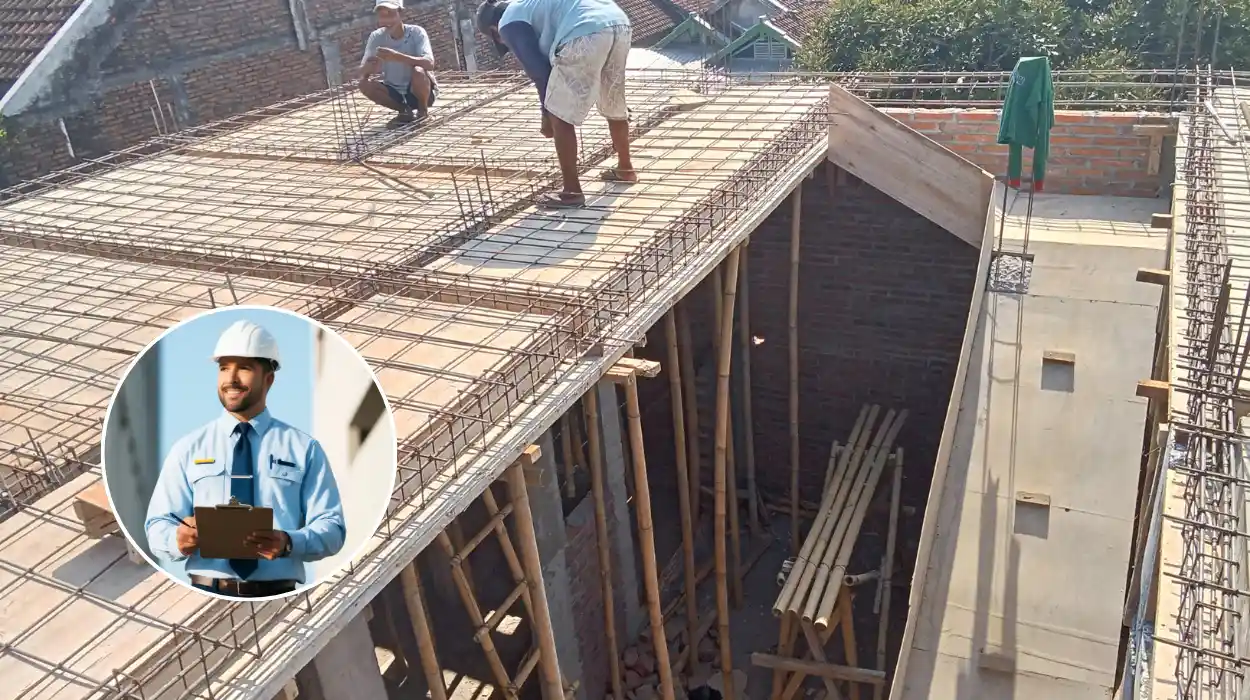
The UK construction sector has entered a year-long decline, with housebuilding experiencing the sharpest slump as output hit a six-month low in December 2024. According to S&P Global/CIPS UK Construction PMI data, total activity contracted for the third consecutive month, marking the fastest reduction since June 2024. Federation of Master Builders Chief Executive Brian Berry warned that these trends undermine government plans to deliver 1.5 million homes, exacerbated by skills shortages and planning bottlenecks.
What Triggered the Deepening Construction Slump?
Newly released S&P Global/CIPS data for December 2024 showed construction output at its lowest since June, with residential work performing worst amid subdued demand conditions. Survey respondents cited elevated borrowing costs and weak consumer confidence as key barriers to growth. The Federation of Master Builders highlighted housebuilding as the weakest sub-sector, noting a decline persisting through winter months when activity typically slows.
As reported by the Federation of Master Builders, Brian Berry, Chief Executive of the FMB, stated:
“Today’s figures demonstrate the need for significant concern about the viability of the Government’s plans to boost housebuilding rates, with the data showing a decline in output for the third consecutive month.”
How Has Housebuilding Output Performed Recently?
Office for National Statistics data revealed stark declines in housing activity, with only 185,000 new homes completed in 2024, down from 195,000 in 2023. First-quarter 2025 figures showed just 39,000 completions, the lowest since 2014, far below the government’s 300,000 annual target. New work in housing fell by 5.1% in 2024, while public new housing contracted by 16.3% year-on-year in the three months to September 2025.
What Do Official Statistics Show for 2025?
ONS building statistics for quarter two 2025 indicated new housing output decreased by 4.3% from quarter one and 4.7% from the same period in 2024. Repair and maintenance in public housing dropped 9.1% year-on-year, underscoring broad weakness. Tokio Marine HCC’s UK Construction Sector Report for December 2025 noted five of 13 sub-sectors in contraction, with residential at 43.6 points on the PMI index, trailing commercial and civil engineering.
What Challenges Are Facing the Sector?
High borrowing costs, with base rates around 4.5% in early 2025, delayed projects and strained demand, according to Rise Funding’s analysis of the construction industry. Planning permissions hit 242,600 in 2024, the lowest since 2014, hindering Labour’s 1.5 million homes goal by 2030. PwC’s Construction and Housebuilding Outlook for September 2025 forecasted modest growth but scepticism over targets, with listed builders prioritising margins over volumes amid fiscal uncertainty.
Government data from August 2025 pointed to uncertainty weighing on expectations, with construction output modestly down year-on-year. Industrial development persisted in data centres and renewables, but private commercial new work slowed. The Federation of Master Builders urged focus on skills crises, diversifying from volume housebuilders and effective planning reforms to sustain momentum.
What Lies Ahead for UK Construction?
Projections vary, with the Construction Products Association forecasting 1.1% sector output growth in 2025 and 2.8% in 2026, down from prior estimates. PwC anticipates stabilisation in new build from 2025, shifting balance from repair and maintenance, though private residential faces supply-demand hurdles. IBISWorld predicts residential building revenue growing at 5.4% compound annually through 2025-26 to £100.5 billion, aided by Bank of England rate cuts to 4% in August 2025, despite inflation at 3.8% to July.
GOV.UK statistics expect new housing to grow 1.4% in 2025, accelerating to 6.2% in 2026 and 9.5% in 2027, with meaningful pickup delayed to 2026. Brian Berry of the FMB emphasised maintaining government pledges on planning and skills, stating:
“The Government made a promising start… However, the FMB have continued to make the case that these goals will simply not be deliverable without a focus on tackling the construction skills crisis.”
Persistent declines signal urgency for policy action, as ONS data underscores distance from housing targets and PMI readings reflect broadest contraction since mid-2020. Industry voices call for sustained reforms to reverse the housebuilding slump and revive sector confidence.