Key Points
- Hillingdon Council, a financially strained West London authority, is one of only two London boroughs (alongside Lewisham) rated ‘Green’ overall in the government’s new road maintenance assessments for England.
- The ratings evaluate three key metrics: road conditions, maintenance spending, and adherence to best practices—Hillingdon scored ‘Green’ on road conditions and spending, ‘Amber’ on best practices.
- Hillingdon manages the second-largest road network in London and has embraced AI-supported technologies for road surveys and pothole repairs, leading to a year-on-year increase in fixes since 2021 (1,020 potholes repaired in the last two years).
- Despite financial challenges, the Conservative-led council invests in long-term preventative measures, with plans to resurface 11km of carriageway and treat 1km preventatively in 2025-26.
- London boroughs performed poorly overall, with eight of the bottom 11 English councils for pothole response coming from the capital.
- Hillingdon excels in pothole management alongside Hounslow and Bexley; the government aims to use these ratings to drive nationwide improvements.
- Council statement highlights annual budgets plus DfT funding, emphasizing safe highways and smooth traffic flow.
- This contrasts with nearby Harrow, rated ‘Amber’ in the same review.
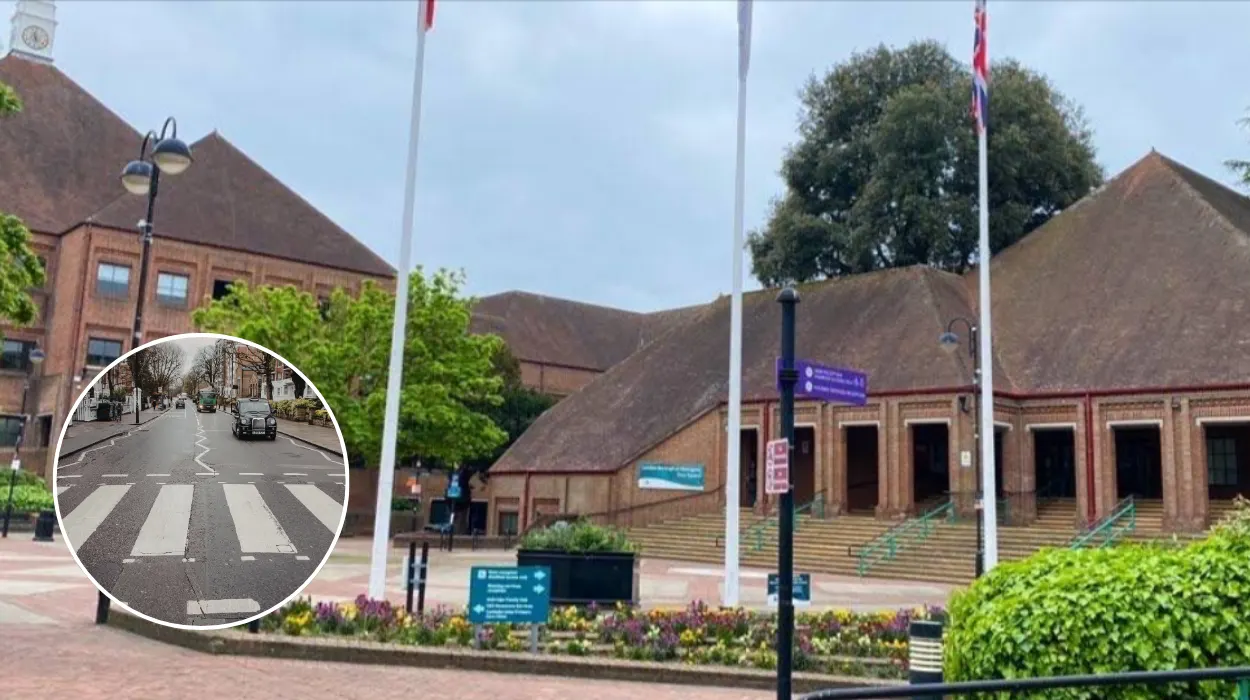
Hillingdon, West London – Hillingdon Council emerged as a standout performer in the UK government’s latest road maintenance ratings, earning a top ‘Green’ status amid widespread criticism of crumbling infrastructure across England. Released this week, the assessments position the borough as one of only 15 local authorities nationwide—and just two in London, alongside Lewisham—deemed to follow best practices in highway upkeep. Despite ongoing financial pressures, Hillingdon’s proactive investments in long-term road preservation have shielded it from the pothole plagues and budget shortfalls plaguing many peers.
The inverted pyramid structure prioritizes the most newsworthy elements first: Hillingdon’s exceptional rating against national benchmarks, highlighting its ‘Green’ scores on road conditions and maintenance spending, tempered by an ‘Amber’ on broader best practices. This result builds on a recent report about neighboring Harrow Council’s middling ‘Amber’ rating, underscoring stark contrasts within the capital’s road management landscape.
Government Ratings Explained
The Department for Transport’s (DfT) review draws from official statistics and councils’ transparency reports, scoring each authority on three pillars: current road conditions, annual maintenance expenditure, and commitment to evidence-based strategies like preventative resurfacing over reactive pothole patching. Hillingdon aced the first two with ‘Green’ marks, signaling roads in good shape and robust funding levels. Its ‘Amber’ on best practices reflects solid but not flawless adoption of innovative methods.
Lewisham mirrors this profile exactly, making it London’s other ‘Green’ outlier. Yet the capital as a whole fares dismally: eight London boroughs occupy the bottom 11 spots for pothole response times. Hillingdon bucks this trend, ranking among the top performers nationally for tackling the issue, tied with Hounslow and Bexley. Over the past year, these councils have swiftly addressed complaints, preventing the escalation of minor cracks into hazardous craters.
This recognition arrives at a pivotal moment for Hillingdon, a Conservative-led authority grappling with budget squeezes from central government cuts and rising service demands. “We’re thrilled the government has spotlighted our efforts,” a council spokesperson told the Local Democracy Reporting Service (LDRS). “With London’s second-largest road network—spanning over 1,000 kilometers—we prioritize safety and efficiency through planned, routine, and reactive works, bolstered by DfT grants.”
Innovation at the Forefront: AI and Tech-Driven Repairs
What sets Hillingdon apart? The council credits “cutting-edge” AI technologies for revolutionizing its approach. By integrating artificial intelligence into road condition surveys, engineers now pinpoint deterioration early, enabling precise pothole repairs and surface treatments. This shift has yielded tangible gains: pothole fixes have risen year-on-year since 2021, with 1,020 addressed in the last two years alone.
Traditional methods often involve manual inspections, which are labor-intensive and weather-dependent. Hillingdon’s AI tools, however, analyze high-resolution imagery from vehicles or drones, detecting cracks as fine as 1mm wide. “It’s a new innovative process,” the council explained, allowing teams to prioritize high-risk areas and deploy resources smarter. This tech-forward strategy aligns with DfT recommendations for preventative maintenance, which can extend road lifespans by up to 20 years and cut long-term costs.
Looking ahead, Hillingdon plans to resurface 11 kilometers of carriageway in 2025-26, plus 1 kilometer of preventative treatments. These initiatives target busy arterials and residential streets, aiming to maintain the ‘Green’ momentum. The DfT hopes such transparency will shame underperformers into action, fostering a “race to the top” in road quality nationwide.
Broader Context: London’s Pothole Crisis
Hillingdon’s success story contrasts sharply with London’s broader woes. The capital’s roads, battered by heavy traffic, freeze-thaw cycles, and deferred maintenance, have become synonymous with frustration. Drivers report dodging potholes daily, with repair backlogs costing billions in vehicle damage claims annually. The government’s data reveals why: many boroughs skimp on upfront investments, opting for cheap fixes that fail quickly.
Take Harrow, just miles away: its ‘Amber’ rating, detailed in a Harrow Online report earlier this week, stems from adequate spending but lagging conditions and practices. Across England, only 15 of 152 councils hit ‘Green’, with rural areas often outperforming urban ones due to lighter wear. Potholes alone trigger 8,000 insurance claims monthly, per the AA, underscoring the human and economic toll.
Hillingdon’s pothole prowess shines here. Government figures praise its rapid response—often within 24 hours for priority cases—enabled by AI triage and dedicated crews. This isn’t luck; it’s strategy. The council allocates fixed annual budgets for highways, supplemented by DfT’s Network North funding pot, which prioritizes strategic routes.
Financial Strain and Political Implications
No stranger to fiscal headwinds, Hillingdon faces a £20 million shortfall projected for 2026, exacerbated by inflation and social care demands. Yet roads remain a priority, with Councillor Ian Duke, cabinet member for highways, hailing the rating as “vindication” of tough choices. Conservatives tout it as evidence of efficient governance, countering Labour critics who decry national underfunding.
Opposition voices, however, urge caution. Green Party councillor Gerry Gold calls for more transparency on AI’s accuracy and long-term savings. “Tech is promising, but we need audits to ensure it’s not just hype,” he said. Residents, polled informally by Harrow Online, express relief but demand sustained action amid rising fuel costs and EV transitions straining surfaces differently.
Nationally, the DfT’s initiative responds to mounting pressure. Transport Secretary Louise Haigh announced the ratings to “shine a light on excellence and underperformance,” tying future grants to improvements. Hillingdon’s model—AI plus prevention—could inspire copycats, potentially saving councils millions.
Resident Impact and Future Outlook
For Hillingdon’s 300,000 residents, smoother drives mean safer commutes and fewer £200 repair bills. Cyclists and pedestrians, vulnerable to edge failures, benefit most from early interventions. Local businesses along Uxbridge Road praise reduced disruptions from prolonged works.
Challenges persist: climate change intensifies weather extremes, while net-zero goals push for permeable surfaces. Hillingdon eyes expansions like smart sensors for real-time monitoring. “Our roads keep traffic flowing and communities connected,” the council affirmed. As 2026 unfolds, this ‘Green’ beacon could guide England’s pothole war.
In a borough where every penny counts, Hillingdon proves innovation trumps inertia. The DfT’s scorecard not only celebrates but challenges others to match it.