Key Points
- A trespasser on the tracks in Isleworth caused severe delays to West London train services during the morning rush hour commute.
- The incident affected routes between London Waterloo and key destinations including Hounslow, Twickenham, Staines, Weybridge, and Woking.
- Trains were temporarily halted, leading to significant disruptions for both local and connecting services.
- The trespasser has been safely removed from the tracks by authorities, but delays are expected to persist throughout the morning.
- Commuters faced longer journey times, particularly those travelling to and from major West London stations like London Waterloo, Twickenham, and Hounslow.
- Underground and Overground services remained unaffected, providing viable alternative transport options.
- Authorities followed safety protocols to address the situation swiftly, though restoring normal service proved challenging amid rush hour congestion.
- Passengers were advised to check real-time updates via the National Rail website and official service Twitter accounts.
- Commuters were urged to avoid impacted routes where possible and consider Tube or Overground alternatives for timely arrivals.
- The disruption highlighted ongoing challenges in West London’s transport infrastructure during peak hours, with commuters expressing frustration over added delays.
Isleworth (West London News) January 26, 2026 – A trespasser on the tracks brought West London’s rail network to a standstill this morning, causing widespread delays during the peak rush hour commute. The incident in Isleworth severely disrupted services between London Waterloo and destinations such as Hounslow, Twickenham, Staines, Weybridge, and Woking, leaving thousands of passengers stranded.
- Key Points
- What Caused the West London Train Delays?
- When Did the Trespasser Incident Occur and How Was It Resolved?
- Which Train Routes Were Most Affected?
- What Impact Did the Delays Have on Commuters?
- How Did Authorities Respond to the Trespasser?
- What Alternative Transport Options Were Available?
- What Advice Was Given to Affected Passengers?
- Why Do These Incidents Highlight Broader Transport Challenges?
- How Can Commuters Stay Informed During Future Disruptions?
- What Does This Mean for West London’s Daily Commute?
What Caused the West London Train Delays?
The trespasser’s presence on the tracks near Isleworth station forced train operators to halt services immediately as a safety measure. As detailed in initial reports from transport updates, trains running through the area were temporarily stopped, creating a ripple effect across multiple routes. This led to significant delays for services connecting London Waterloo to outer West London hubs.
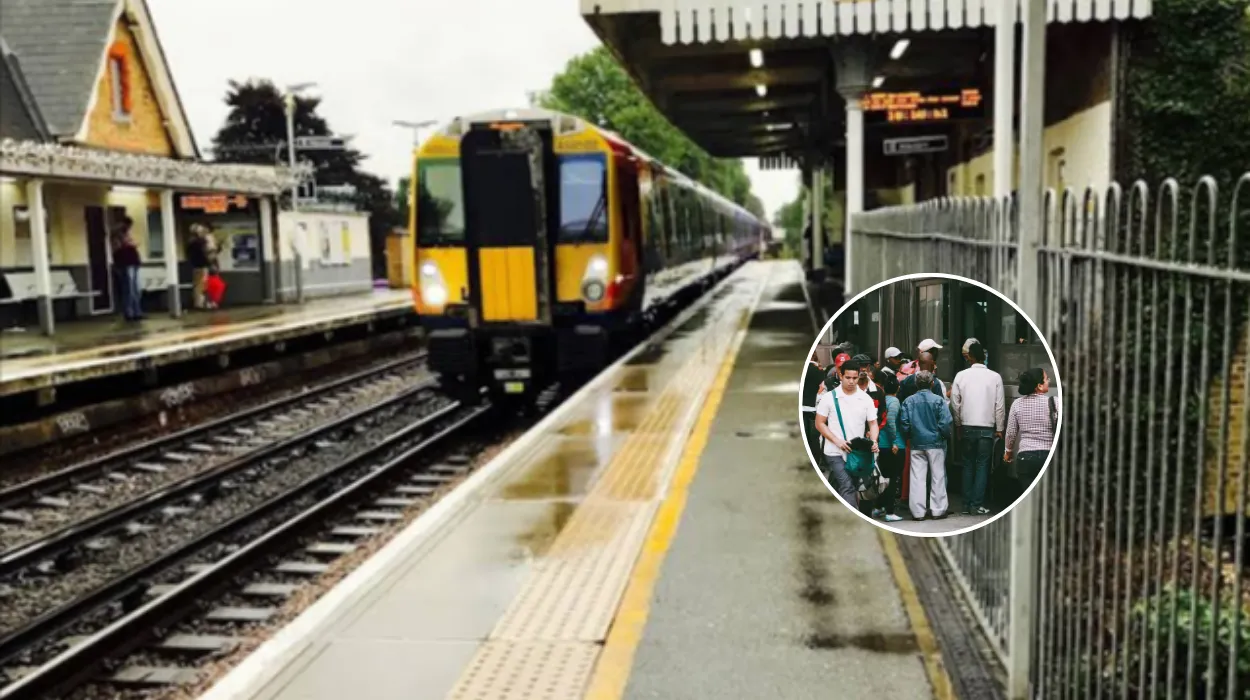
Passengers reported chaos at stations, with platforms overcrowding rapidly as inbound and outbound trains ground to a halt. The disruption peaked during the busiest commuting window, exacerbating the impact on daily travel patterns. Authorities confirmed that the individual was trespassing unlawfully, prompting a rapid response to secure the line.
When Did the Trespasser Incident Occur and How Was It Resolved?
The incident unfolded early this morning during the height of rush hour, with the first reports emerging around 7:00 AM PKT-equivalent local time. Train services were paused as emergency teams attended the scene in Isleworth. According to operational logs shared via National Rail channels, the trespasser was safely removed from the tracks shortly thereafter.
Despite the swift removal, the aftermath lingered due to the need to inspect the line and manage knock-on congestion. Disruptions were projected to continue throughout the morning, with full restoration dependent on signal checks and train repositioning. This sequence underscores the vulnerability of rail operations to single-point failures during high-traffic periods.
Which Train Routes Were Most Affected?
Services between London Waterloo and Hounslow, Twickenham, Staines, Weybridge, and Woking bore the brunt of the delays. Local trains through Isleworth faced the most immediate halts, while connecting services experienced cascading hold-ups. Travellers to and from Twickenham and Hounslow reported waits exceeding 30 minutes, with some services standing still for over an hour.
Major West London stations, including London Waterloo, saw queues build up as passengers sought clarity on revised timetables. The interruption affected both South Western Railway (SWR) and other operators sharing the tracks, amplifying the scope of inconvenience. Real-time boards at stations flashed warnings of “significant delays,” urging caution.
What Impact Did the Delays Have on Commuters?
Commuters endured longer journey times, missed connections, and disrupted work schedules amid the chaos. Those reliant on the rail network for their daily grind voiced frustration over the unpredictability, especially given West London’s heavy dependence on these lines. Families heading to schools and offices alike found their mornings upended.
The peak-hour timing magnified the fallout, turning a routine commute into an ordeal. Reports from stranded passengers highlighted packed platforms and limited information at first, fuelling anxiety. Broader frustration centred on repeated vulnerabilities in the system, with some labelling it a “nightmare” for regular travellers.
How Did Authorities Respond to the Trespasser?
Authorities acted decisively, deploying teams to remove the trespasser while adhering to stringent safety protocols. British Transport Police and Network Rail staff coordinated the effort, ensuring no risk to public safety. The individual was escorted away without incident, allowing initial steps towards service resumption.
Restoring normal operations proved challenging amid rush hour volumes, as trains needed rerouting and signals resetting. National Rail issued statements emphasising passenger safety as the priority, with ongoing monitoring to prevent recurrence. This response aligned with standard procedures for track intrusions.
What Alternative Transport Options Were Available?
Underground and Overground services escaped the disruption entirely, offering commuters a lifeline. Travellers were encouraged to pivot to Tube lines or London Overground routes to sidestep the rail chaos. Buses in the area also provided supplementary options, though demand surged quickly.
For those flexible enough, walking or cycling segments of their journey emerged as practical backups. Transport for London (TfL) apps highlighted these alternatives in real time, helping many reroute effectively. This unaffected parallel network proved invaluable in mitigating total gridlock.
What Advice Was Given to Affected Passengers?
Passengers along the impacted routes were told to monitor updates obsessively via the National Rail website and official Twitter accounts. Real-time information on delays and statuses became essential, with apps pushing notifications for changes. Avoiding affected paths was strongly recommended to dodge prolonged waits.
Operators urged checking before travel, emphasising preparation for extended trips. Tube or Overground switches were flagged as the swiftest fixes, while station staff assisted with tickets and directions. Proactive planning emerged as the key mantra from all advisories.
Why Do These Incidents Highlight Broader Transport Challenges?
This trespasser event laid bare persistent strains on West London’s transport infrastructure, especially at peak times. The region’s commuters lean heavily on rail links, making single disruptions disproportionately disruptive. Recurring issues like this fuel calls for enhanced security and resilience measures.
Rush hour congestion compounds recovery efforts, turning isolated incidents into prolonged ordeals. Voices from the commuting public reflect growing exasperation with systemic bottlenecks. As the network grapples with rising demand, such episodes spotlight the need for robust contingency frameworks.
How Can Commuters Stay Informed During Future Disruptions?
Official channels like National Rail and TfL remain cornerstones for live updates, delivering delay specifics and alternatives. Twitter feeds from operators provide minute-by-minute insights, while apps integrate multi-modal options. Subscribing to alerts ensures travellers stay ahead of curveballs.
Planning with buffers and diverse routes builds resilience against repeats. Community forums and local news also amplify ground-level intel, rounding out the picture. Vigilance through these avenues empowers smoother navigation of West London’s rail vicissitudes.
What Does This Mean for West London’s Daily Commute?
As services inch back to normalcy, the morning’s turmoil serves as a stark reminder of rail fragility. Authorities’ diligent work averted worse outcomes, yet the lingering delays test commuter patience. Staying attuned to channels like National Rail and TfL will prove vital for unfettered travel.