Key Points
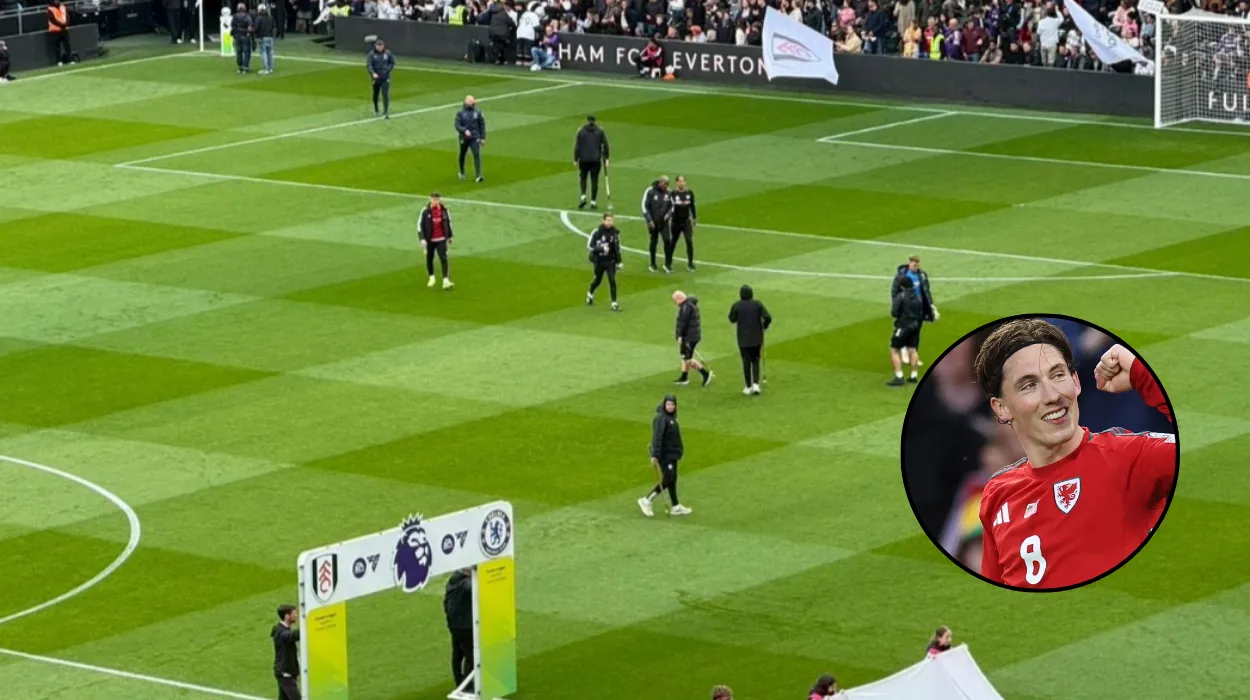
- Harry Wilson, the Welsh attacker, is enjoying his finest season at Fulham, serving as the club’s top goal scorer across all competitions following his permanent transfer from Liverpool in 2022.
- Wilson’s standout attributes—pace, eye for a pass, and impeccable dead-ball technique—have drawn interest from other clubs, yet he appears content at Craven Cottage and likely to remain with Fulham.
- His excellent form extends to the Wales national team, where he aims to aid the Dragons in their March playoff ties against Bosnia and Herzegovina, followed by either Northern Ireland or Italy, to qualify for the summer World Cup.
- Fulham boasts a rich history of Welsh internationals, with Wilson continuing a legacy that includes Cliff Jones, the last surviving member of Wales’ 1958 World Cup squad.
- Cliff Jones, a goal-scoring winger from Swansea, joined Fulham in 1968 after over 370 appearances for Tottenham Hotspur, playing two seasons at the Cottage despite being more renowned for Spurs’ 1960-61 Double-winning side.
- Gordon Davies, born in Merthyr Tydfil, remains Fulham’s all-time top goal scorer with two successful spells at the club in the 1970s and 1980s, earning most of his Welsh caps while there; he also featured for Chelsea, Manchester City, and Wrexham’s famous 1992 FA Cup upset over Arsenal.
- Chris Coleman, another Swansea native, became a Fulham legend as a no-nonsense defender after signing in 1997, contributing to two promotions to the top flight; his career ended due to a car crash leg injury, but he later managed Fulham to a ninth-place Premier League finish in 2007-08 and led Wales to Euro 2016.
- Kit Symons, born in Basingstoke but eligible for Wales via his Cardiff-born father, joined Fulham in 1998 after over 100 appearances each for Portsmouth and Manchester City, forging a strong bond with Coleman that shaped his post-playing career in management and coaching for both club and country.
- Mark Pembridge, a tricky midfielder, played three injury-plagued seasons at Fulham from 2003, staying on post-retirement as academy coach for U15s and U16s; his career spanned top-flight clubs like Luton, Derby, Sheffield Wednesday, Everton, and Benfica, and he was released by Coleman in 2007.
Craven Cottage, Fulham (West London News) January 29, 2026 – Harry Wilson is enjoying arguably his finest ever season in professional football, having become an integral part of Fulham’s success as the club’s top goal scorer in all competitions since signing permanently from Liverpool in 2022.
- Key Points
- Who is Harry Wilson and Why is He Thriving at Fulham?
- Who Was Cliff Jones and What Was His Fulham Legacy?
- How Did Gordon Davies Become Fulham’s All-Time Top Scorer?
- What Made Davies a Fan Favourite?
- Why is Chris Coleman Considered a Fulham Legend?
- How Did Coleman’s Management Shape Fulham and Wales?
- What Role Did Kit Symons Play Alongside Coleman?
- Who Was Mark Pembridge and Why Did He Stay at Fulham?
- Which Other Welsh Players Have Fulham Fans Cherished?
- What Does This Mean for Fulham’s Future?
- How Has Wales’ Football History Intertwined with Fulham?
Who is Harry Wilson and Why is He Thriving at Fulham?
Harry Wilson’s pace, eye for a pass, and impeccable dead-ball technique have attracted the attention of a whole host of other clubs, but he seems perfectly happy at the Cottage and is likely to stay at Fulham for a good while yet. The Cottagers may have a job keeping him, however, if he continues to perform so well for club and country, as reported in the original feature by an unnamed correspondent for Hounslow Herald.
Wilson’s rich vein of form has been just as evident for his national side, Wales, and he will be hoping that he can help the Dragons get through their playoff ties in March to qualify for the World Cup this summer. Wales initially play Bosnia and Herzegovina, before facing either Northern Ireland or Italy for a place at the finals, with Fulham fans keen to see Wilson featuring on online sports betting sites for the tournament. He is far from being the only Wales international to play for the club, continuing a proud tradition of Welsh Dragons gracing Craven Cottage.
Who Was Cliff Jones and What Was His Fulham Legacy?
Cliff Jones was not the first Welsh international to play for Fulham – and he is more commonly remembered as a Spurs player – but he definitely earns himself a place on the list as he is the last surviving member of the Wales team that played in the 1958 World Cup. It took the national side another 64 years before they qualified for another finals, as detailed in the Hounslow Herald piece.
Jones was also part of the Spurs double-winning side of 1960-61, but started his career at his hometown club of Swansea. A goal-scoring winger, Jones played over 370 times for Tottenham before signing for Fulham in 1968. He only played two seasons at the Cottage, but will forever be remembered as a Welsh legend, according to the report.
How Did Gordon Davies Become Fulham’s All-Time Top Scorer?
Fulham didn’t put out many Welsh footballers after Cliff Jones left in 1970, but the next Dragon to pull on a white shirt was a real favourite of fans of a certain age. Gordon Davies was born in Merthyr Tydfil and enjoyed two incredibly successful spells with Fulham in the 1970s and 80s, as noted by the Hounslow Herald correspondent.
Davies is still the club’s all-time top goal scorer, and won most of his Welsh international caps while in West London. He did play for both Chelsea and Manchester City between stints at the Cottage, but never really shone as he did for Fulham. Still a frequent visitor to Fulham, he was actually part of the Wrexham team that famously beat Arsenal in the FA Cup in 1992, the article states without attributing a direct quote.
What Made Davies a Fan Favourite?
Davies’ enduring popularity stems from his goal-scoring prowess and loyalty, with his dual spells at Fulham cementing his status despite interludes at rivals Chelsea and Manchester City. His contributions for Wales alongside his club form further endeared him to supporters of a certain age.
Why is Chris Coleman Considered a Fulham Legend?
Another Swansea boy, Chris Coleman is undoubtedly a Fulham legend, but he will also always be remembered fondly by Wales fans, as he was the manager who led them to a first major international tournament in 58 years when the Dragons qualified for the European Championship in 2016.
Coleman had already played for a number of clubs before signing for Fulham in 1997. But he made an instant impression as a no-nonsense defender, helping the side win two promotions from the third tier to the top flight, per the Hounslow Herald feature. His playing career ended after he broke his leg in a car crash, but he returned to the Cottage as manager, leading the club to a creditable ninth-place finish in the 2007-08 Premier League season.
How Did Coleman’s Management Shape Fulham and Wales?
Coleman’s transition from player to manager at Fulham showcased his resilience post-injury, while his Wales tenure revived national hopes, qualifying for Euro 2016 after 58 years.
What Role Did Kit Symons Play Alongside Coleman?
For much of Coleman’s time at Fulham, he was joined by his international teammate and friend, Kit Symons. This central defender was actually born in Basingstoke, but qualified to play for Wales thanks to his father having been born in Cardiff, as reported.
He made over 100 appearances for Portsmouth and Manchester City before joining Fulham in 1998, where he then went on to represent them for over 100 more. The bond that formed between Kit Symons and Chris Coleman at Fulham – and into a Wales international career that earned him 37 caps – has largely directed his post-playing career in football.
Symons has been the manager at Fulham, but joined his old teammate as an assistant for the national side as well, the piece notes.
Who Was Mark Pembridge and Why Did He Stay at Fulham?
This Welsh international only played three seasons at the Cottage, while suffering a string of injuries, but he obviously loved the place, as he stayed at the club after retiring, becoming the coach of the academy team, as well as the U15s and U16s.
Pembridge’s tricky style of play was very much a forerunner of what the fans enjoy from Harry Wilson today, drawing a direct lineage in the Hounslow Herald article. Pembridge played the majority of his career in the English top-flight, for Luton, Derby, Sheffield Wednesday, and Everton, as well as a brief spell in Portugal with Lisbon giants, Benfica.
He signed for Fulham in 2003 but was ironically deemed surplus to requirements by future Wales coach Chris Coleman in 2007.
Which Other Welsh Players Have Fulham Fans Cherished?
The Hounslow Herald story positions Wilson as the latest in a lineage, but does not detail further beyond Pembridge, emphasising the scarcity post-Jones until Davies revived the trend. Fulham’s Welsh connections have provided moments of magic, from World Cup pioneers to promotion heroes and managerial triumphs.
What Does This Mean for Fulham’s Future?
Wilson’s form could bolster Fulham’s ambitions, much like predecessors elevated the club through divisions and into Europe. Retaining him amid interest will test the Cottagers’ resolve, especially with Wales’ World Cup push on the horizon.
How Has Wales’ Football History Intertwined with Fulham?
From Jones’ 1958 exploits to Coleman’s 2016 miracle, Fulham has been a nurturing ground for Welsh talent, with Symons and Davies embodying loyalty and scoring legacies. Pembridge’s coaching tenure extended this bond beyond playing fields.