Key Points
- A woman in her forties was arrested and handcuffed in Harrow, London, for feeding pigeons on Wealdstone High Street.
- The incident occurred at around 2.30pm on Wednesday, 7 January 2026.
- Video footage, captured by a passer-by and posted on social media, shows at least six police officers and council enforcement workers detaining the visibly distressed woman.
- Officers searched her pockets before marching her to a police van.
- Onlookers, including the man filming, expressed outrage, with one heard saying, “This is ridiculous.”
- Harrow Council stated the woman breached a Public Spaces Protection Order (PSPO) relating to bird feeding and was issued a £100 fixed penalty notice.
- Police arrested her after she repeatedly refused to provide personal details, an offence under Section 50 of the Police Reform Act.
- She was de-arrested once details were obtained, and the matter was handed to council officers.
- The PSPO aims to keep streets clean and safe; breach carries a £100 fine or potential prosecution.
- Metropolitan Police confirmed officers assisted council enforcement in an anti-social behaviour incident.
Wealdstone, Harrow (West London News) January 30, 2026 – A woman in her forties was arrested and handcuffed by police for feeding pigeons on a busy high street, sparking outrage from onlookers who branded the response “ridiculous.” Video footage of the incident, widely shared on social media, shows the distressed woman being detained by multiple officers and council workers amid cries of disbelief from passers-by. Harrow Council justified the action as enforcement of a Public Spaces Protection Order (PSPO), while the Metropolitan Police cited her refusal to provide details as the basis for arrest.
- Key Points
- What Happened During the Incident?
- Why Was the Woman Arrested?
- What Is the Public Spaces Protection Order?
- How Did Onlookers React?
- What Is the Police’s Full Statement?
- What Does Harrow Council Say About the PSPO?
- Broader Context: PSPOs and Public Reaction
- Legal Implications of Refusing Details?
- Is This Common in Harrow?
- What Happens Next?
What Happened During the Incident?
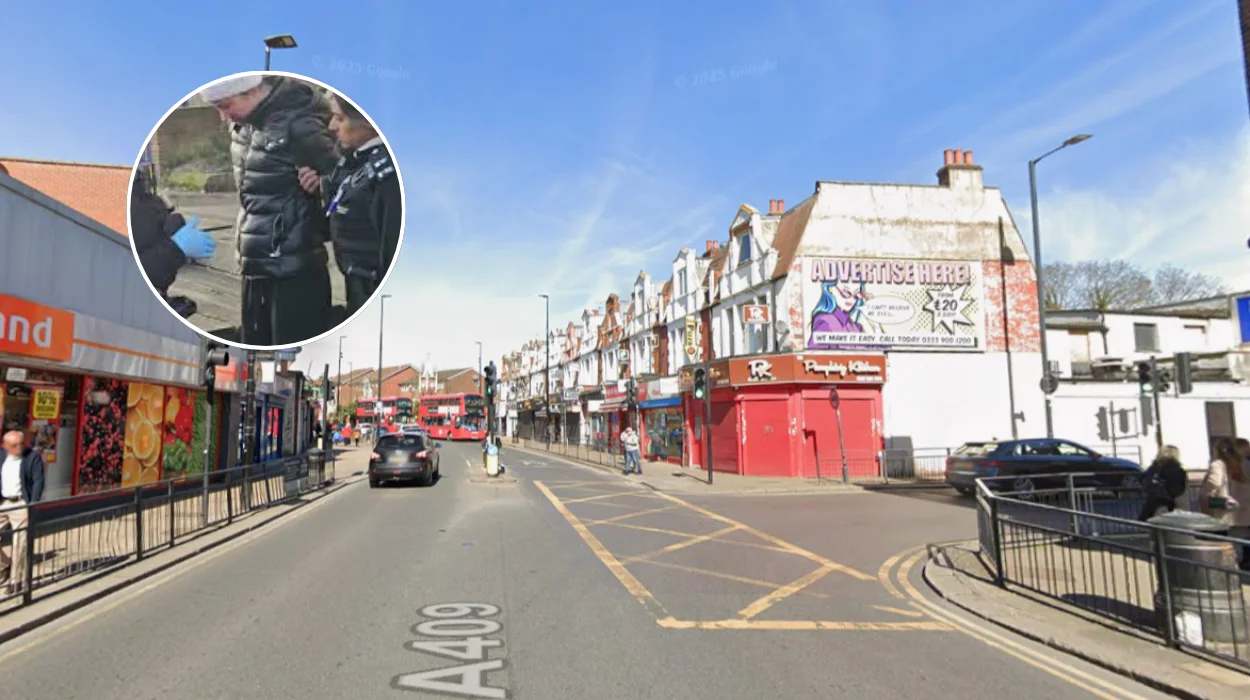
The dramatic scenes unfolded at approximately 2.30pm on Wealdstone High Street in Harrow, north-west London. As reported by journalists at The Independent, a passer-by captured footage showing the woman, who appeared visibly distressed, being approached by a group comprising at least six police officers and council enforcement workers.
In the video, the woman is seen having her pockets searched before being placed in handcuffs. She is then marched by two officers to the back of a police van. The man filming repeatedly voiced his outrage, questioning the necessity of the force used. Other passers-by joined in, with one clearly heard exclaiming, “This is ridiculous,” capturing the widespread disbelief at the scene.
The footage quickly went viral on social media platforms, drawing significant attention to what many described as an overzealous response to a minor infraction. No additional media outlets beyond The Independent have reported further eyewitness accounts or new videos as of this writing, but the original clip remains the primary visual record of the event.
Why Was the Woman Arrested?
According to a spokesperson for the Metropolitan Police, as quoted in The Independent,
“At around 2.30pm on Wednesday 7 January, officers were approached by local council enforcement officers dealing with an anti-social behaviour incident on Wealdstone High Street, Harrow.”
The police statement continued:
“A woman, in her forties, was repeatedly asked to provide her name and address so that a fixed penalty notice could be issued. After speaking with officers for around 20 minutes, she repeatedly refused to provide her personal details.”
“She was arrested on suspicion of breaching Section 50 of the Police Reform Act, which requires people to provide their name and address when requested to do so by the police,” the spokesperson added.
“Her details were later obtained, and she was de-arrested and dealt with by council officers.”
This account aligns precisely with the details in the viral video, where the interaction appears to escalate after an extended conversation. The refusal to provide details transformed what began as a council matter into a police arrest, highlighting the legal threshold under the Police Reform Act 2002.
What Is the Public Spaces Protection Order?
Harrow Council issued a statement explaining the root of the enforcement action. A council spokesperson, as reported by The Independent, said:
“There was a breach of the Public Spaces Protection Order (PSPO) relating to bird feeding.”
The spokesperson elaborated:
“The individual refused to provide their details, which is an offence, and also refused to stop feeding pigeons when asked to do so. Our PSPO is in place to help keep our streets clean and safe for everyone, and anyone found breaching these faces a £100 fixed penalty notice.”
PSPOs are local authority measures under the Anti-social Behaviour, Crime and Policing Act 2014, designed to tackle nuisance activities in public spaces. In Harrow, the bird feeding restriction aims to prevent fouling, pests, and health hazards from large pigeon gatherings. Breaches typically result in a £100 fixed penalty notice, escalating to prosecution if unpaid.
No further details from the council specify the woman’s identity or prior warnings, but the PSPO’s existence underscores ongoing efforts in the borough to manage urban wildlife interactions.
How Did Onlookers React?
The bystander reaction forms a key element of the story’s viral appeal. The man filming the incident can be heard repeatedly expressing his outrage, as noted in the The Independent coverage. His vocal protests underscore a sentiment echoed by others nearby.
One passer-by is distinctly heard saying, “This is ridiculous,” a quote that has been repeated across social media shares of the video. This collective dismay from the public highlights a perceived disproportion between the offence—feeding pigeons—and the response involving handcuffs and a police van.
While The Independent provides the sole detailed reporting on these reactions, the footage itself serves as raw evidence of public sentiment, amplifying calls for proportionality in low-level enforcement.
What Is the Police’s Full Statement?
The Metropolitan Police provided a comprehensive statement to The Independent, offering clarity on their role. The spokesperson detailed the timeline: officers were approached by council enforcement at 2.30pm regarding an anti-social behaviour incident.
After 20 minutes of dialogue, the woman’s repeated refusal to give her name and address led to arrest under Section 50 of the Police Reform Act. Once details were secured—though the method is unspecified—she was de-arrested, and responsibility shifted back to the council.
This de-escalation post-arrest indicates no ongoing criminal proceedings by police, framing their involvement as facilitative rather than primary.
What Does Harrow Council Say About the PSPO?
Harrow Council’s position, as directly quoted in The Independent, emphasises public welfare.
“Our PSPO is in place to help keep our streets clean and safe for everyone,”
the spokesperson affirmed.
The enforcement followed the woman’s refusal to stop feeding pigeons and provide details, both cited as offences. The £100 fine remains the standard penalty, with prosecution as a fallback for non-payment.
Councils across the UK employ similar PSPOs for issues like street drinking or cycling, but bird feeding restrictions are common in pigeon-prone urban areas like London boroughs.
Broader Context: PSPOs and Public Reaction
This incident fits into wider debates on PSPO usage. Critics argue they criminalise minor behaviours, while supporters view them as essential for orderly public spaces. In Harrow, the order targets bird feeding specifically due to hygiene concerns on high streets like Wealdstone’s.
No statements from the woman herself have emerged, and neither police nor council have released her name, respecting privacy protocols. The event, occurring in early January 2026, coincides with post-holiday clean-up drives, potentially heightening enforcement vigilance.
Social media commentary has split along lines of authority respect versus overreach, but all reports stem from The Independent‘s original coverage by unnamed staff writers. Further updates may arise if the woman comments publicly or if the fine is contested.
Legal Implications of Refusing Details?
Section 50 of the Police Reform Act 2002 mandates providing name and address to uniformed officers in certain circumstances, such as preventing or investigating offences. Breaches constitute an offence punishable by fine.
In this case, the woman’s 20-minute refusal met this criterion, justifying arrest despite the underlying PSPO issue. De-arrest upon compliance prevented court escalation.
Is This Common in Harrow?
Harrow Council has not disclosed PSPO enforcement statistics, but London boroughs routinely issue bird feeding fines. Similar incidents in nearby areas, like Brent or Ealing, involve comparable responses, though handcuffing remains rare for first refusals.
The presence of multiple officers reflects protocol for non-compliant anti-social behaviour calls.
What Happens Next?
The woman faces a £100 fine, payable to Harrow Council. No prosecution is indicated unless unpaid. Police involvement concluded with de-arrest.
Public discourse may pressure reviews of PSPO enforcement thresholds, especially visual spectacles like handcuffing. Harrow Council and the Met could issue guidance, but none has been announced.