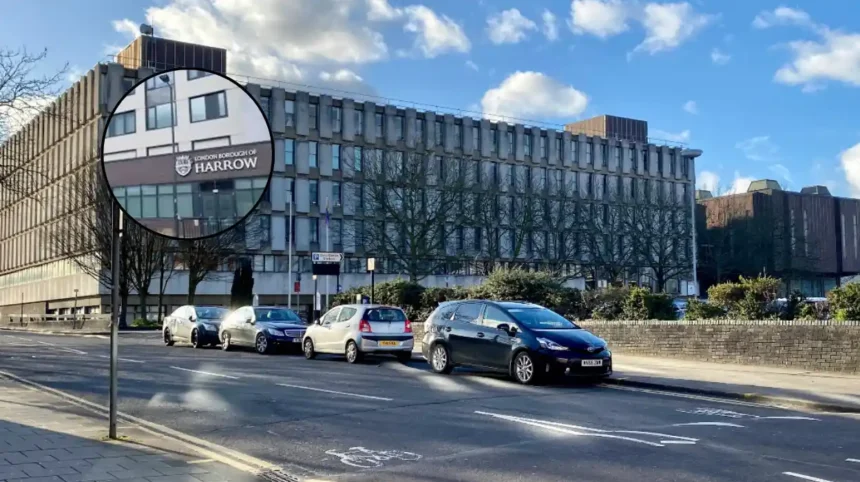
Key Points
- Harrow Council has approved a new Article 4 Direction affecting smaller HMOs.
- From Friday 12 June 2026, landlords need planning permission to convert family homes into HMOs in Harrow.
- The change removes permitted development rights for smaller HMOs with three to six unrelated occupants.
- The council says the move gives it greater control over the spread of HMOs across the borough.
- Harrow says the policy is intended to address resident concerns about noise, rubbish, anti-social behaviour and pressure on family-sized housing.
- Cllr Marilyn Ashton said the decision is about protecting family homes and preserving the character of the borough.
- Harrow Online reported earlier in the year that the council was preparing to tighten rules on small HMOs borough-wide through an Article 4 directive.
Harrow (West London News) June 24, 2026 – Harrow Council has brought in new planning rules requiring landlords to seek permission before converting family homes into smaller Houses of Multiple Occupation, following approval of an Article 4 Direction. The council said the change took effect from Friday 12 June and now applies to all HMOs, including those that previously fell within permitted development rights for smaller conversions.
As reported by Harrow Council, the new rules were approved at Cabinet the night before they came into force. The council said the measure gives it more control over HMO numbers in the borough and forms part of its wider Local Plan work.
Under the previous system, smaller HMOs with three to six unrelated people could be created without planning permission, although licensing rules still applied.
Why has the council acted?
According to Harrow Council, the policy responds to common complaints from residents about noise, rubbish, anti-social behaviour and pressure on family-sized homes.
The authority said it wanted to protect the character of the borough from what it sees as inappropriate development. In its public statement, the council linked the move to neighbourhood concerns and housing balance.
Cllr Marilyn Ashton, Deputy Leader of the Council and Portfolio Holder for Planning and Regeneration, said the decision was intended to protect family homes and ensure shared housing is provided in the right places and to the right standards.
She added that residents had raised concerns and said the council had listened. The council’s statement presents the change as a planning control measure rather than a ban on HMOs.
What did earlier reporting say?
Harrow Online reported in January 2026 that the council was preparing to crack down on family homes being turned into HMOs by introducing an Article 4 direction.
That report said the council believed it had “no control” over some conversions and was concerned about pressure on family housing, anti-social behaviour and the impact on community balance. It also said the authority wanted the policy to take effect immediately once signed off, rather than allowing a longer grace period.
The same report said some councillors framed the move as a response to complaints from residents and to cases where the number of occupants inside properties might be higher than expected.
Harrow Council’s June notice confirms that the direction has now been approved and is in force. Taken together, the reports show a clear progression from proposal to implementation.
What is an Article 4 Direction?
An Article 4 Direction is a planning tool that removes certain permitted development rights, meaning development that once could happen automatically now needs planning permission.
In this case, Harrow used the mechanism to control smaller HMO conversions that had previously been allowed without formal approval. The council said the direction is connected to its Local Plan and to protecting the borough’s housing stock.
The practical effect is that landlords now face an extra planning hurdle before turning a home into a smaller shared property.
Harrow’s notice makes clear that smaller HMOs, especially those with three to six unrelated people, were the main focus of the change. The council described the move as a stronger way of managing the impact of such properties on local areas.
What do landlords need to know?
Landlords converting homes into HMOs in Harrow now need planning permission where they previously may not have needed it.
That means a proposed conversion that would once have gone ahead under permitted development rights will now be subject to council scrutiny. The policy adds another layer of regulation on top of existing HMO licensing requirements.
Harrow’s published notice says the change is aimed at smaller HMOs, but the wording in the council’s statement also says landlords will need planning permission for all HMOs from Friday 12 June.
That wording is important because it suggests landlords should check carefully how the policy applies to any specific property before proceeding.
The safest reading from the council’s notice is that the borough has tightened planning control across HMO conversions, with the clearest impact on smaller units.
How does this fit the wider picture?
Harrow is not acting in isolation, as London councils have increasingly used planning powers and licensing rules to regulate HMOs.
BBC News reported in March 2025 that Brent Council was also looking at stricter regulations for smaller HMOs in response to what it described as substandard housing conditions. That suggests Harrow’s move is part of a broader trend in London boroughs seeking more control over shared housing.
Harrow’s own timeline shows the issue has been under discussion for months. The council first signalled a tougher line in January, then approved the new direction in June.
For residents and landlords alike, that indicates a policy shift that has moved from debate to enforcement.
Explore More Harrow News
£2.7m Safety Upgrades for 3 Harrow Leisure Centres 2026
Harrow Woman Handcuffed by Police for Feeding Pigeons in Wealdstone
Background
Houses of Multiple Occupation, or HMOs, are properties where several people from different households live together and usually share facilities.
In Harrow, larger HMOs already needed planning permission, while smaller ones could often be created under permitted development rules. The new Article 4 Direction changes that balance by bringing smaller conversions under planning control as well.
Earlier reporting from Harrow Online suggested the council wanted to respond to complaints about overcrowding, community disruption and the loss of family homes.
The council’s June notice confirms those concerns were central to the decision. The result is a more restrictive planning regime for HMO conversions in the borough.
Prediction
For landlords, the change is likely to slow down some HMO conversion plans because planning permission will now be needed before works can proceed. For tenants, the effect may be mixed:
the policy could limit supply in some areas, but the council argues it will improve housing standards and protect family homes. For local residents, the council expects reduced pressure from noise, rubbish and anti-social behaviour linked to poorly managed shared housing.
For Harrow Council, the next test will be how consistently the new rules are enforced and how many applications are approved or refused. If the policy is used actively, it may become a template for further local action on HMOs in London.