Key Points
- Closure Risk: The West London Racing Centre (WLRC), located at Pole Hill in Hillingdon, faces potential closure following difficulties regarding lease renewal negotiations with Hillingdon Council.
- Community-Built Legacy: The facility was constructed 30 years ago in the 1990s by local club members and volunteers using their own labour and resources on formerly derelict hardstanding land.
- Financial Independence: Since its establishment, the centre has paid rent continuously to Hillingdon Council and operated entirely without public subsidies.
- Youth Engagement: The centre serves as a loved local sports hub, providing recreational and racing opportunities for local youngsters and community members.
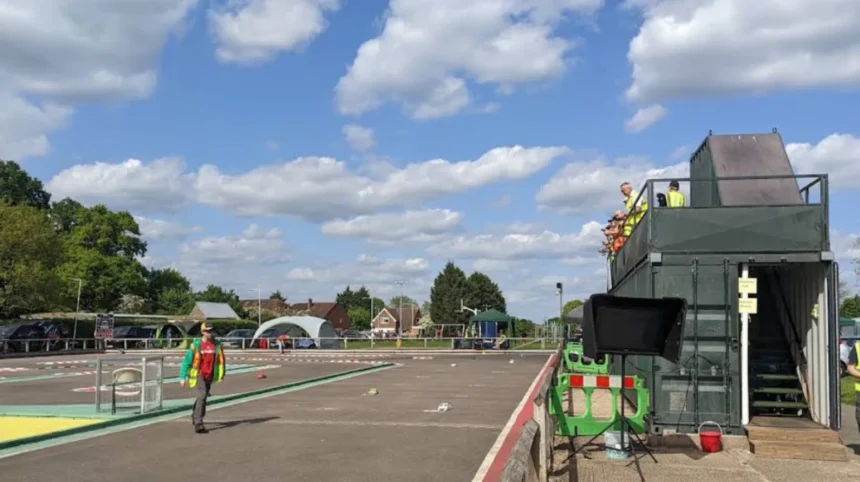
Hillingdon (West London News) August 13, 2026 –Why is the West London Racing Centre facing potential closure, and what is the current status of its lease negotiations with hillingdon/hillingdon-council/">Hillingdon Council? The West London Racing Centre (WLRC), a long-standing community facility situated at Pole Hill in Hillingdon, is at risk of shutting down permanently due to ongoing complications surrounding lease renewal negotiations with Hillingdon Council. The centre, which has served local youngsters and remote-control racing enthusiasts for three decades, reports that its future remains uncertain as discussions over the site’s tenure stall.
- Key Points
- How Was the West London Racing Centre Established at Pole Hill?
- How Has the Racing Centre Operated Without Public Subsidies?
- What Is the Background of the West London Racing Centre Development?
- How Could the Potential Closure of the West London Racing Centre Affect Local Youngsters and the Community?
How Was the West London Racing Centre Established at Pole Hill?
The facility was originally established in the 1990s through grassroots community effort. Club members and local volunteers identified a piece of formerly derelict hardstanding ground at Pole Hill and transformed the site using their own physical labour, equipment, and personal financial resources.
Following its construction 30 years ago, the WLRC established a formal agreement with Hillingdon Council to lease the land, consistently paying rent to the local authority over the subsequent decades.
How Has the Racing Centre Operated Without Public Subsidies?
Since its founding, the West London Racing Centre has maintained complete financial self-sufficiency. Unlike many community sports facilities that rely on municipal grants or government funding, the WLRC has operated continuously without receiving any public subsidy.
All maintenance, operational costs, facility upgrades, and site management have been sustained entirely by club members, volunteers, and user contributions, while simultaneously generating rental revenue for Hillingdon Council.
Explore More Hillingdon News
Hillingdon Council fights Mayor’s Green Belt housing plan – Hillingdon 2026
Hillingdon Council £499k ULEZ Bill Exposed; Hillingdon 2026
What Is the Background of the West London Racing Centre Development?
Understanding the development of the West London Racing Centre requires looking back at the urban landscape of Hillingdon in the early 1990s. The site at Pole Hill previously consisted of disused, derelict hardstanding ground that served no immediate functional purpose for the local authority or the wider public.
Recognising the opportunity to create a structured environment for motorsport enthusiasts and local youth, community members negotiated access to the land.
Through collective volunteer action, the group cleared the site, laid racing infrastructure, and built a dedicated circuit. Over the past 30 years, this volunteer-built facility has evolved into a key venue for radio-controlled car racing, fostering technical skills, engineering interest, and sportsmanship among participants of all ages.
Throughout its 30-year operational history, the relationship between the club and the local authority was defined by a standard lease arrangement: the club maintained the land at zero cost to the taxpayer, paid agreed rent to Hillingdon Council, and provided a safe social space for young people in West London.
The current uncertainty emerged as the existing lease agreement reached its expiration window, prompting negotiations for a new term that have so far failed to secure a definitive agreement.
How Could the Potential Closure of the West London Racing Centre Affect Local Youngsters and the Community?
If lease negotiations between Hillingdon Council and the West London Racing Centre fail to yield a positive outcome, the closure of the facility is predicted to have several notable impacts on the local area:
- Loss of Youth Recreational Amenities: The centre provides a constructive positive outlet for young people in West London. A closure would eliminate an affordable community-run venue where youngsters engage in hands-on hobbies, model engineering, and competitive racing.
- Reduction in Community-Managed Infrastructure: The loss of the centre would mark the end of a 30-year model of self-funded, volunteer-led sports provision in Hillingdon, replacing an active community hub with potentially disused land once again.
- Financial and Social Shift for Local Families: Youngsters and racing enthusiasts in Hillingdon would be forced to seek similar recreational facilities further afield, introducing travel barriers and higher costs for local families.
- Uncertainty for the Pole Hill Site: Should the centre vacate the premises, responsibility and maintenance costs for the land at Pole Hill would revert back to Hillingdon Council, ending three decades of tenant-led site upkeep and rent generation.