Key Points
- Hillingdon Council has notified independent shop owners on Mulberry Parade in West Drayton of plans to increase commercial rents by over 100 per cent, with some facing increases up to 184 per cent.
- Traders report that the proposed rent increases will be backdated between one and three years to when rent reviews were originally due, leaving businesses facing substantial retroactive debt arrears.
- Local business proprietors state that the sudden increase threatens the survival of long-standing community establishments, including a pharmacy, a florist, a café, and a local fish and chip shop.
- Hillingdon Council maintains that commercial rents on the parade have remained significantly below market value for several years and asserts a fiduciary duty to manage borough property assets responsibly for local taxpayers.
- Local business owners are calling for formal dialogue with council officials to agree on sustainable, phased rent adjustments rather than immediate doubling of operational costs.
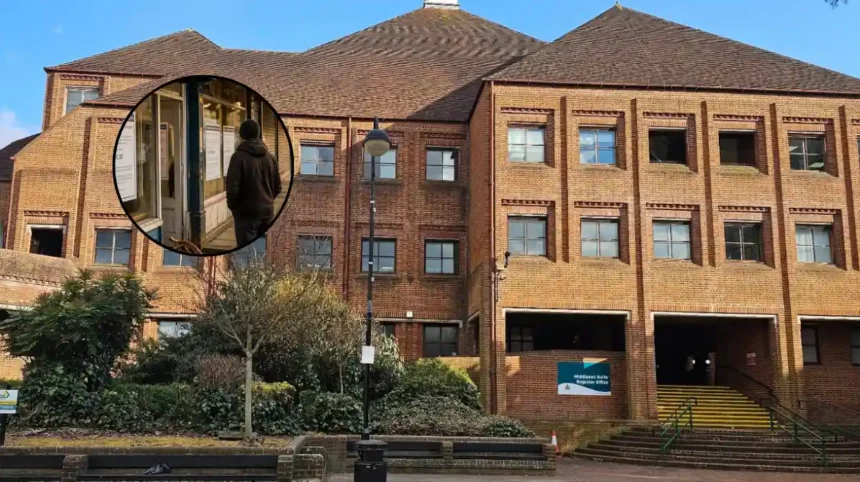
Hillingdon (West London News) August 15, 2026 – Independent shopkeepers along Mulberry Parade in West Drayton are facing the prospect of business closures after receiving formal notice from Hillingdon Council that their commercial rents are set to double, with select units facing increases exceeding 100 per cent. The local authority has stated that current rental rates across the council-owned parade have sat below true market value for a number of years, asserting its statutory obligation to manage public assets efficiently and secure maximum value for borough taxpayers.
As reported by Philip Lynne of the Local Democracy Reporting Service (LDRS), business owners on the parade have expressed severe concern over the scale and timing of the financial demands. Tenants state that scheduled rent reviews were delayed by the council by one to three years. In addition to the proposed rate increases, Hillingdon Council intends to backdate the adjusted rent amounts to the original review dates, potentially placing small business operators into immediate back-dated rent arrears amounting to thousands of pounds.
Among those affected are Louise McGinty and her husband Eddie, who operate two premises on the parade: Funky Flowers, which has traded in the area for over two decades, and Nessy’s and Norman’s, a community café opened approximately a year ago. As reported by Philip Lynne of the LDRS, Louise McGinty stated that “the council have looked at properties in the borough and said that they are undervalued so they have to increase the rent. They are aggressively going to do this.” McGinty explained that absorbing the proposed rent hike would require immediate spending cuts, noting:
“If we accept the increase there are implications on everyone’s business; for example, we would lose an apprentice and a part-time member of staff overnight.”
She further commented that
“it’s a big stress, none of us can invest because we don’t know if we are still going to be here,”
calling for direct negotiation and stating,
“I think we should have a fair increase, I think the council need to be open to discussions with us instead of hiding away and refusing to speak to us, listen to us about our concerns.”
Similarly impacted are Dalpat Mistry and Jatish Mistry of Carewell Chemist. As reported by Philip Lynne of the LDRS, the family-run pharmacy had previously reached an agreement in principle for lease terms with the council; however, subsequent internal staff turnover at the local authority resulted in a new council officer taking over the case and issuing revised demands. Jatish Mistry confirmed to the LDRS that their business is facing a rent increase of more than 100 per cent, an outcome he disclosed has caused significant personal strain and sleepless nights as he attempts to safeguard the healthcare outlet’s future.
Other traders along the parade are anticipating similar notices. As reported by Philip Lynne of the LDRS, Sukhpreet Singh Kang, owner of the local fish and chip shop The Codfather, indicated that although formal negotiations had not concluded at the time of reporting, the actions taken against neighbouring premises have left him bracing for an equivalent increase.
Responding to the concerns raised by the business community, a spokesperson for Hillingdon Council set out the local authority’s position. As reported by Philip Lynne of the LDRS, the Hillingdon Council spokesperson stated:
“However, the council also has a responsibility to Hillingdon taxpayers to manage its commercial properties properly and achieve best value. Rents at Mulberry Parade have been below market value for a number of years and, where reviews or renewals are due, rents are being assessed against market evidence and in accordance with the leases agreed by tenants.”
The local authority spokesperson further stated:
“There is no intention to force successful businesses out of Mulberry Parade. We recognise the pressures businesses face and have made concessions to tenants over the years, but we cannot indefinitely subsidise commercial businesses through below-market rents at the expense of our residents. We will continue to engage with each tenant, but any agreement must be fair, reflect the market and protect the interests of Hillingdon taxpayers.”
What Is the Background to the Mulberry Parade Commercial Rent Dispute?
Mulberry Parade serves as a local commercial hub within West Drayton, hosting a mix of independent retail outlets, essential health services, and food establishments. Under the terms of standard commercial lease agreements managed by local authorities in the United Kingdom, commercial properties undergo periodic rent reviews—typically every three to five years—to align lease rates with prevailing local market conditions.
During preceding financial cycles, formal rent assessments for several units along Mulberry Parade were deferred. According to affected traders, the delay in carrying out these assessments originated from the council’s administrative schedules rather than tenant delays. Consequently, rental rates remained static while surrounding commercial real estate values adjusted.
Local authorities across London face tightening budgetary constraints and heightened statutory requirements to optimize income generated from their property portfolios. Section 123 of the Local Government Act 1972 places a legal obligation on councils to secure the “best consideration reasonably obtainable” when leasing or disposing of property assets, unless specific ministerial consent is obtained. This legal framework underpins Hillingdon Council’s current strategy to adjust commercial rents across its estate to reflect contemporary market benchmarks.
Explore More Hillingdon Council News
Hillingdon Council fights Mayor’s Green Belt housing plan – Hillingdon 2026
Government Issues Best Value Notice to Hillingdon Council West London 2026
What Are the Future Predictions and How Could This Development Affect the Local Audience?
The proposed rental increases and backdated financial demands at Mulberry Parade carry immediate and long-term implications for several key stakeholder groups within West Drayton and the wider London Borough of Hillingdon.
Impact on Local Independent Traders and Business Owners
For small business proprietors, an immediate 100 to 184 per cent increase in fixed overheads directly compromises operational solvency. Commercial enterprises operating on narrow profit margins may be forced to reduce staffing levels, cancel planned capital investments, or initiate formal insolvency proceedings. The requirement to pay backdated rental differences creates an immediate debt liabilities challenge, which could prevent businesses from securing commercial credit or selling their leasehold interests.
Impact on the Local Community and Residents
For residents of West Drayton, the closure of independent shops on Mulberry Parade could diminish access to essential neighbourhood services. Establishments such as Carewell Chemist provide localized primary healthcare support, while retail shops and cafés contribute to footfall and social cohesion. A high rate of commercial vacancy on the parade risks reducing the vitality of the local high street, leaving residents reliant on larger, distant commercial centres or national chain stores.
Impact on Local Authority Governance and Taxpayers
For Hillingdon Council and borough taxpayers, the outcome represents a delicate balance between fiscal management and community support. Successfully transitioning commercial leases to market rates increases direct municipal revenue, which contributes to funding statutory public services. However, if high rental targets lead to prolonged property vacancies, the council may experience secondary financial losses, including missed rental income, increased maintenance liabilities for vacant units, and reduced business rate contributions.