West London has one of London’s most varied cultural landscapes. Its cultural events connect historic houses, museums, gardens, theatres, galleries, parks, libraries, community spaces, and major public venues.
- What are cultural events in West London?
- How did West London develop its cultural events tradition?
- What types of cultural events take place in West London?
- Which West London venues host the most important cultural events?
- What cultural events can visitors experience in Ealing?
- Which cultural events are available in Hounslow and Chiswick?
- What cultural events take place in Richmond and Kew?
- How can visitors find cultural events in West London?
- Why are cultural events important to West London?
- What is the future of cultural events in West London?
The area covers culturally important places across Ealing, Hounslow, fulham/hammersmith/">hammersmith-and-fulham/">Hammersmith and Fulham, Brentford, Chiswick, Kew, Richmond, and surrounding neighbourhoods. Cultural programming ranges from established festivals and exhibitions to outdoor performances, community celebrations, literary programmes, workshops, markets, and heritage events.
The strongest feature of West London’s cultural calendar is its combination of historic institutions and community-led activity. Royal Botanic Gardens, Kew, Gunnersbury Park Museum, Chiswick House & Gardens, Pitzhanger Manor & Gallery, Questors Theatre, and Richmond’s cultural organisations provide year-round programmes.
For visitors, this creates opportunities to experience art, history, theatre, music, architecture, literature, local traditions, and contemporary creative work without travelling into central London.
What are cultural events in West London?
Cultural events in West London include festivals, theatre, exhibitions, music, heritage programmes, community celebrations, markets, workshops, and outdoor performances. Major cultural venues include Kew Gardens, Gunnersbury Park Museum, Chiswick House, Ealing’s parks, and Richmond’s galleries, theatres, libraries, and public spaces.
Cultural events are organised activities that present, interpret, or encourage participation in artistic, historical, social, literary, musical, or community culture. In West London, this definition covers both formal programmes at established institutions and temporary events in public spaces.
The range is broad. A museum exhibition presents local history and collections. A theatre production provides live performance. A festival combines several cultural disciplines. A heritage open day connects visitors with historic buildings. A community workshop allows residents to participate directly in creative activity.
Gunnersbury Park Museum demonstrates the scale of West London’s heritage infrastructure. The museum holds around 50,000 museum and archive objects representing the history and culture of Ealing and Hounslow. The wider Gunnersbury site includes a 72-hectare heritage park and 22 Grade II listed buildings.
This institutional network gives West London a strong base for recurring cultural programming rather than relying only on occasional large festivals.
How did West London develop its cultural events tradition?
West London’s cultural calendar developed from historic estates, villages, transport growth, studios, theatres, museums, and community organisations. Ealing, Hounslow, Hammersmith, Brentford, Chiswick, Kew, and Richmond each contribute distinct cultural traditions shaped by local heritage and London’s wider creative economy today.
West London’s cultural character is closely connected to its historic settlements and estates. Chiswick House represents eighteenth-century architectural and landscape history. English Heritage research describes the present Chiswick House as a late-1720s Palladian villa associated with Richard Boyle, 3rd Earl of Burlington. The house and gardens are Grade I listed.
Gunnersbury provides another important historical foundation. Gunnersbury Park Museum opened in 1929 and preserves collections relating to Ealing and Hounslow. Its permanent displays include archaeological material, local social history, industrial history, and objects connected with prominent people and businesses.
Ealing developed an important cultural identity through entertainment, cinema, theatre, festivals, and public parks. Ealing Council identifies the Great Western Railway’s arrival in the 1830s as a major factor in transforming the former village and accelerating its development.
Richmond developed a separate cultural structure around historic sites, libraries, theatres, galleries, parks, and community organisations. Its current Culture Richmond framework runs from 2021 to 2031 and treats arts, libraries, parks, heritage, public art, film, literature, and community activity as connected parts of local culture.
This history explains why West London cultural events appear in many different settings rather than being concentrated in one central arts district.
What types of cultural events take place in West London?
West London cultural events span visual arts, theatre, music, literature, film, heritage, community festivals, food markets, craft activity, and family programmes. Examples include exhibitions at Gunnersbury, theatre at Kew, festivals in Ealing, and arts programmes across Richmond’s public spaces year-round.
Visual arts form a significant part of the regional programme. Galleries and museums present temporary exhibitions, permanent collections, photography, sculpture, painting, design, and community-created work.
Kew Gardens demonstrates how art can operate within a historic landscape. Its 2026 programme includes Henry Moore: Monumental Nature, a large outdoor presentation of Henry Moore’s sculpture running from 9 May 2026 to 31 January 2027.
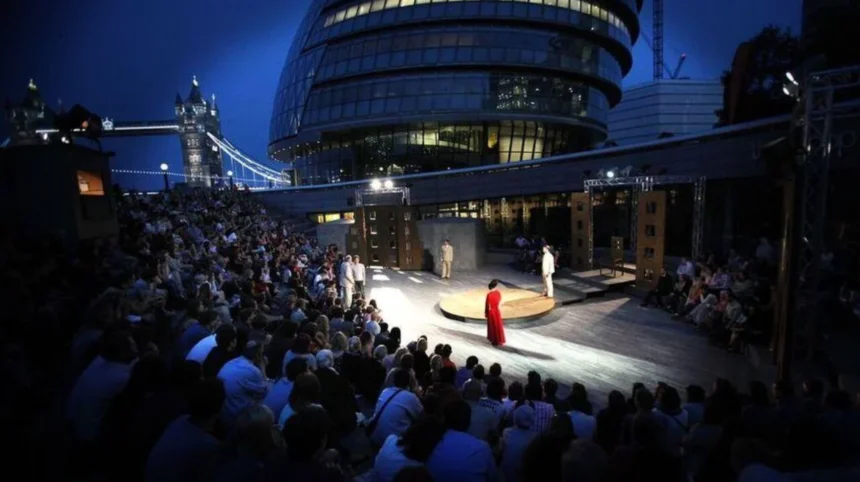
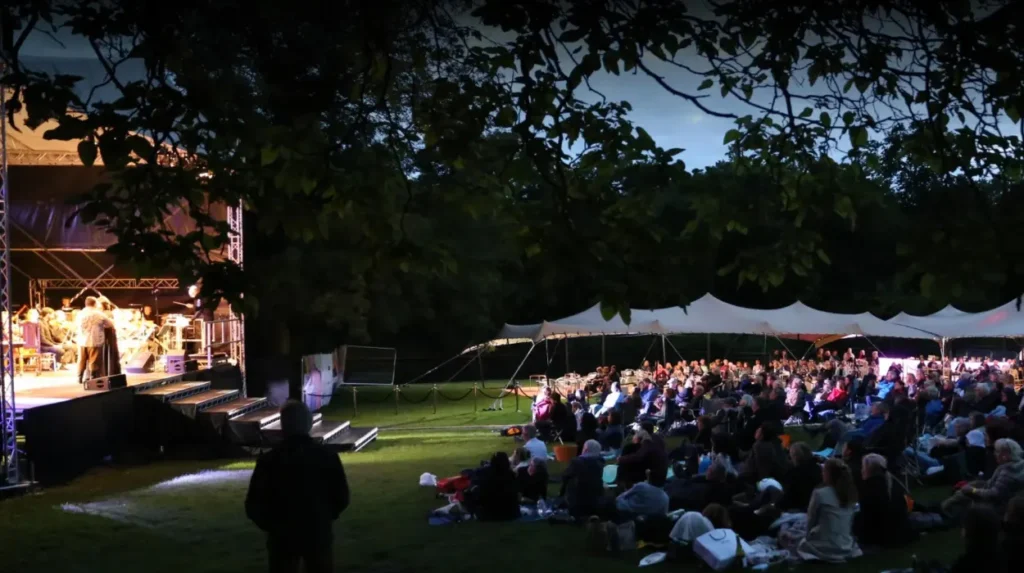
Theatre is another major category. Kew’s programme includes outdoor productions such as Twelfth Night, while West London also has established theatre organisations and community performance venues.
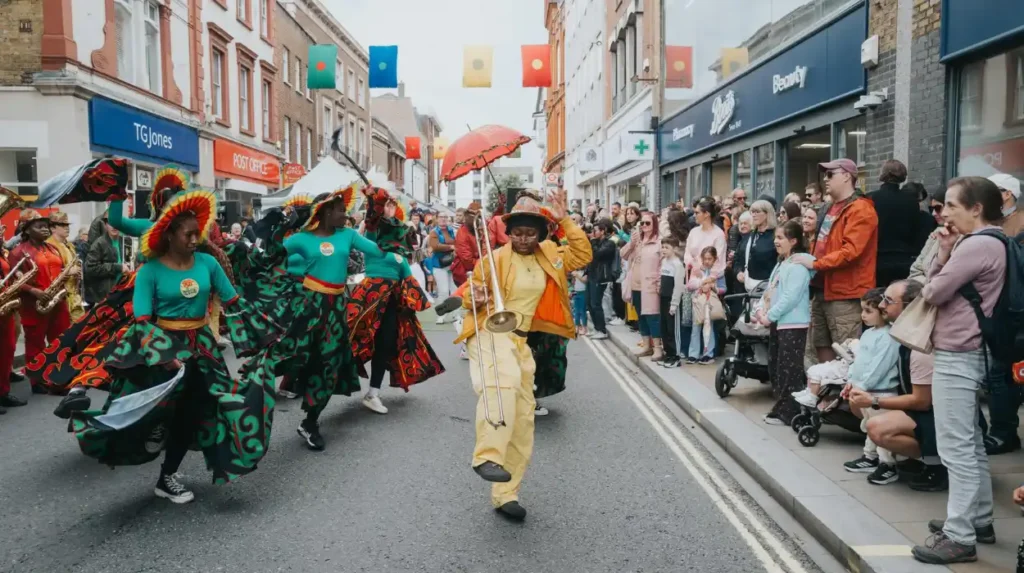
Music events range from classical and contemporary performances to jazz, community concerts, outdoor programmes, and festival stages. Ealing Council specifically identifies jazz, blues, global music, opera, comedy, and carnival activity among its established summer cultural offer.
Literature and ideas-based programming also contribute to the calendar. Richmond Arts and Ideas Festival uses venues, streets, libraries, cultural organisations, schools, universities, and community partners to create a borough-wide programme.
Heritage events provide another important category. Historic houses, museums, gardens, archives, and listed buildings create opportunities for guided tours, talks, exhibitions, demonstrations, and educational activities.
Markets and craft events connect cultural activity with local commerce. Chiswick House & Gardens, for example, lists events including vintage markets, arts and crafts markets, workshops, and community activities.
Which West London venues host the most important cultural events?
Major cultural venues anchor West London’s events calendar through exhibitions, performances, workshops, talks, and festivals. Kew Gardens combines botanical heritage with art and theatre; Gunnersbury connects museum collections with community programmes; Chiswick House supports history, gardens, markets, and creative activities.
Royal Botanic Gardens, Kew is one of the most prominent cultural and scientific destinations in West London. Its programme combines botanical collections with exhibitions, sculpture, theatre, talks, guided tours, workshops, family activities, and wellbeing programmes.
The 2026 Kew programme demonstrates the breadth of this approach. Events include Henry Moore: Monumental Nature, Theatre on Kew, botanical art workshops, library and archive tours, storytelling, and guided experiences.
Gunnersbury Park Museum provides a different cultural model. Its collections focus heavily on the history of Ealing and Hounslow. Around 50,000 museum and archive objects support exhibitions and research, while the surrounding park provides space for public events.
Chiswick House & Gardens combines architecture, landscape history, community activity, education, markets, workshops, and family programming. The organisation describes the site as a 350-year-old historic environment and maintains a year-round programme.
Richmond adds galleries, theatres, libraries, historic houses, public spaces, and cultural festivals. VisitRichmond lists attractions such as the Museum of Richmond, Landmark Arts Centre, Strawberry Hill House & Garden, Marble Hill House, and Kew Gardens as important parts of the borough’s cultural offer.
Together, these venues create a cultural network that covers both permanent institutions and temporary events.
What cultural events can visitors experience in Ealing?
Ealing provides a strong festival and community culture programme centred on Walpole Park, Pitzhanger, Questors Theatre, libraries, and local neighbourhoods. Its established calendar includes jazz, comedy, opera, global music, blues, carnival activity, exhibitions, theatre, workshops, and local community cultural programmes.
Ealing is one of West London’s most established cultural centres. Its programme combines major public events with neighbourhood-level activities.
Walpole Park is particularly important. Ealing Council identifies the park as a major event location and notes its role in hosting the Ealing Jazz Festival and Ealing Comedy Festival during summer. The park also contains gardens, an ornamental pond, and the Pitzhanger-related cultural environment.
Pitzhanger Manor & Gallery adds visual arts and heritage. Pitzhanger Manor is a Grade I listed historic building associated with architect Sir John Soane. The gallery presents contemporary exhibitions alongside the historic manor.
Questors Theatre contributes live performance and community theatre. Ealing Council describes Questors as the largest community theatre in Europe, with a season of approximately 20 shows a year alongside courses, workshops, and visiting companies.
Ealing’s cultural model is also supported by local libraries and public spaces. This makes cultural participation accessible beyond conventional ticketed venues.
The borough has also developed a strategic approach to expanding cultural activity. Its cultural manifesto identifies opportunities for arts and culture in high streets, shopping centres, vacant premises, rooftops, car parks, and outdoor spaces. The strategy also promotes Culture Hubs across Ealing’s seven towns.
This approach is significant because it moves cultural activity closer to residential communities rather than concentrating events in a small number of established venues.
Which cultural events are available in Hounslow and Chiswick?
Hounslow’s cultural identity combines historic houses, museums, gardens, performance, community activity, and riverside heritage. Chiswick House, Gunnersbury Park Museum, the Musical Museum, and the London Museum of Water & Steam provide settings for history, exhibitions, music, learning, and public events.
Hounslow has a particularly strong concentration of heritage sites. The council identifies Boston Manor House, Hogarth’s House, Chiswick House and Gardens, Osterley House, Syon Park House, and Gunnersbury House and Museum among its historic properties.
Chiswick House & Gardens is one of the most important cultural environments in this part of West London. Its programme includes family activities, workshops, markets, community events, educational programmes, and seasonal events.
The venue’s 2026 calendar includes the Chiswick Book Festival, craft and gardening workshops, the Duck Pond Market, community celebrations, and other activities.
Brentford provides a different cultural experience through specialist museums. The Musical Museum contains self-playing mechanical musical instruments, including historic music boxes and the Mighty Wurlitzer theatre organ. The London Museum of Water & Steam interprets London’s public water supply and the pumping technology that supported it.
Gunnersbury links Hounslow and Ealing culturally. The site is jointly owned by both councils and contains Georgian mansions, museum collections, historic buildings, parkland, and community facilities.
This concentration of heritage venues makes Hounslow particularly relevant for visitors interested in architecture, industrial history, gardens, museums, and local social history.
What cultural events take place in Richmond and Kew?
Richmond upon Thames has a structured cultural programme covering arts, libraries, parks, heritage, public art, film, literature, community activity, and sport. Culture Richmond 2021–2031 supports participation and local creativity, while festivals and neighbourhood projects bring cultural activity into public spaces.
Richmond’s cultural offer extends beyond individual venues. The borough operates a long-term cultural framework called Culture Richmond 2021–2031. The strategy connects arts, libraries, parks, heritage, public art, film, literature, conservation, and community activity.
Richmond Arts and Ideas Festival is one of the clearest examples. The festival takes place across the borough and uses a two-week programme of cultural activity, including events in venues and streets. It was developed through partnerships involving libraries, arts organisations, theatres, universities, schools, charities, and local organisations.
Richmond Council reported in March 2026 that Culture Richmond had supported dozens of grassroots projects and introduced the Richmond Arts and Ideas Festival. The council also reported a £265,000 Cultural Commissioning fund supporting cultural activity.
The borough continues to support smaller cultural projects. In July 2026, Richmond Council announced a new Challenge and Innovation Fund offering grants of up to £5,000 for projects designed to diversify participation and develop new cultural partnerships.
Kew provides a major cultural destination within the borough. Its events combine art, theatre, science, horticulture, history, family programming, talks, and wellbeing activities.
The 2026 programme includes sculpture exhibitions, outdoor theatre, botanical art workshops, storytelling, archive tours, forest bathing, sound baths, and guided tours.
This combination gives Richmond and Kew a cultural calendar that operates across institutions, neighbourhoods, parks, and public spaces.
How can visitors find cultural events in West London?
Visitors can find West London cultural events through official venue calendars, council event listings, tourism websites, and museum pages. Checking the organiser’s current listing confirms dates, admission, accessibility, booking requirements, opening arrangements, and whether an event is indoors or outdoors.
The most reliable source is the official organiser. Event dates, admission arrangements, venue access, and booking conditions change. Checking the original listing prevents visitors from relying on outdated third-party information.
Kew maintains an active events calendar covering exhibitions, performances, tours, workshops, and family activities. Its listing identifies event dates, categories, accessibility information, and booking arrangements.
Chiswick House & Gardens also provides a dedicated events calendar. The listing covers seasonal activities, markets, workshops, community programmes, and family events.
Richmond provides an official borough-wide events resource through VisitRichmond. Its categories include free events, accessible events, fairs and festivals, film and theatre, music, children’s events, and other local activities.
Council websites are particularly useful for public festivals and community events. Richmond Council publishes cultural programme information, while Ealing Council provides information about major local cultural locations and recurring programmes.
Museum websites are the strongest source for exhibitions, talks, collection displays, and heritage programmes. Gunnersbury, for example, publishes exhibition information and maintains details about its collections and public programmes.
Visitors should check whether an event requires advance booking. They should also check accessibility information, age restrictions, venue opening hours, outdoor arrangements, and admission charges before travelling.
Explore More Area Guide
Comedy Clubs and Live Stand-Up West London 2026
Best Cinemas, Films and Screening Venues West London 2026
Why are cultural events important to West London?
Cultural events contribute to local identity, visitor activity, community participation, education, creative development, and town-centre vitality. Their value extends beyond entertainment because cultural programmes connect people with places, history, creative practice, and local organisations.
Richmond Council explicitly links cultural activity with community participation, place-making, wellbeing, local growth, and economic development. Its current cultural framework identifies cultural assets as important contributors to the borough’s future resilience and identity.
The 2026 Centre Stage: Richmond Myths programme provides a clear example of culture operating in public space. The three-day programme included live music, theatre, street performance, workshops, family activities, markets, and creative experiences across Richmond town centre. The council stated that the previous year’s programme attracted thousands of visitors and supported local footfall and trade.
Community participation is another major function. Cultural programmes provide opportunities for residents to perform, exhibit work, attend workshops, volunteer, create projects, or contribute local knowledge.
Gunnersbury demonstrates this through its museum collections and exhibitions. Its holdings document the changing populations and communities of Ealing and Hounslow, including oral histories and material relating to local political, social, industrial, and cultural history.
Cultural events also support heritage conservation by giving historic sites active public uses. Chiswick House, Gunnersbury, Kew, and Richmond’s historic buildings remain relevant because they combine preservation with education, public access, and programming.
What is the future of cultural events in West London?
West London’s cultural future is increasingly based on wider participation, community partnerships, heritage preservation, public-space programming, and collaboration between councils, cultural organisations, artists, museums, and local communities.
Richmond’s Culture Richmond strategy runs through 2031 and establishes a long-term framework for arts, libraries, parks, heritage, and community participation. The borough’s 2026 funding programme continues this approach by supporting smaller projects and organisations that broaden access to cultural activity.
Ealing’s cultural planning similarly emphasises bringing art closer to residents. Its cultural manifesto identifies high streets, shopping centres, empty premises, rooftops, car parks, and outdoor spaces as potential cultural locations.
Large institutions are also expanding the definition of cultural programming. Kew combines botanical science, art, sculpture, theatre, family learning, wellbeing, archives, and horticultural education within one programme.
Gunnersbury provides another long-term model. The site received £20 million of capital investment from the National Heritage Lottery Fund, Historic England, Ealing Council, and Hounslow Council. Its redevelopment was completed in 2018, and its management structure supports continuing public events and museum services.
The result is a cultural environment that is both heritage-based and contemporary. Historic buildings remain central, while new festivals, exhibitions, community projects, outdoor programmes, and creative partnerships expand participation.
For residents and visitors, this means West London’s cultural calendar remains relevant across the year. Its events connect local history with contemporary creativity and provide cultural experiences across museums, gardens, theatres, parks, galleries, libraries, town centres, and community spaces.
What cultural events can you attend in West London?
West London offers festivals, theatre, exhibitions, live music, heritage events, workshops, markets, family activities, outdoor performances, and community celebrations. Major cultural locations include Ealing, Kew, Chiswick, Hounslow, Gunnersbury, and Richmond.