Ealing, often called the “Queen of the Suburbs,” is a vibrant borough in West London known for its rich history, green spaces, and modern amenities. It was formed in 1965 from the former boroughs of Ealing, Acton, and Southall, with roots dating back to Saxon times in the 5th century. Known for its mix of suburban charm and city convenience, Ealing attracts families, professionals, and history enthusiasts alike, offering timeless appeal through its parks, markets, and cultural landmarks.
Ancient Origins and Saxon Roots
The name Ealing originates from the Saxon tribe “Gillingas” or “Yealing,” marking it as a settled village by the 12th century amid woodland west of London. Evidence of earlier human activity dates back to the Iron Age near Horsenden Hill, which also hosts ancient hillfort remains. The 12th-century St. Mary’s Church remains a central historical landmark. Until the 18th century, the area was mostly agricultural villages before evolving into a wealthy London suburb. The 19th century saw the expansion of market gardens and improved education with schools teaching both academics and farming, spurred by the arrival of the railway and canal in the 1850s. This infrastructure encouraged suburban growth, reinforcing Ealing’s nickname as the “Queen of the Suburbs.”
Key Historical Milestones
Ealing has witnessed significant historical events, including its strategic role during the English Civil Wars when forces blocked King Charles I’s advance at Turnham Green in 1642. By the 1880s, it was a key stagecoach stop between London and Bristol, contributing to the formation of areas such as West Ealing and Northfields. Ealing became a municipal borough in 1901 and joined Greater London in 1965. Its sports history is notable with the Ealing Lawn Tennis Club, which between 1882 and 1906 produced 13 Wimbledon singles champions. In contemporary times, facilities like Gurnell Swimming Pool and the unique Ealing Farmers’ Market emphasize both leisure and local produce.
Green Spaces and Outdoor Gems
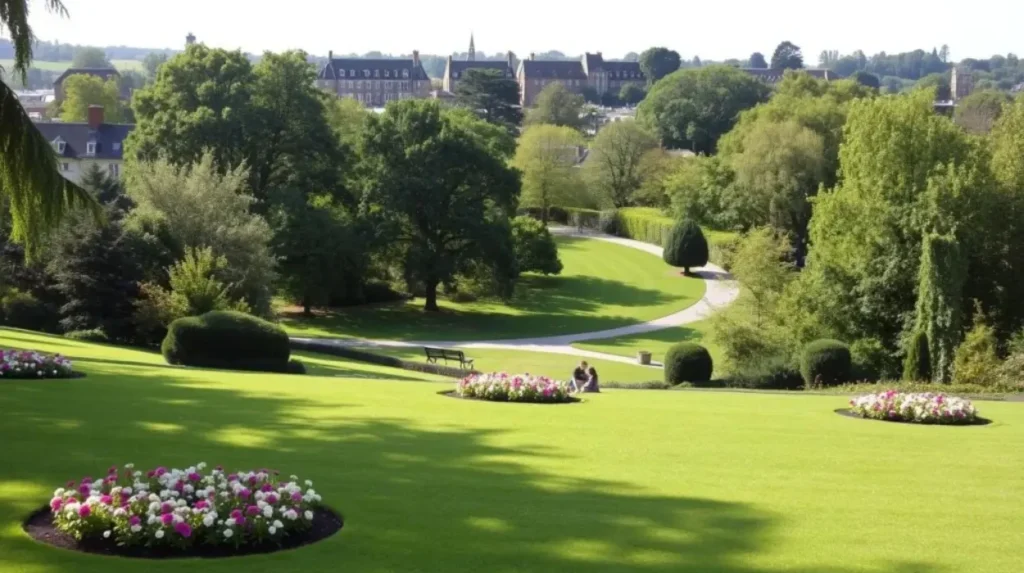
One of Ealing’s greatest attractions is its abundant green spaces, including over 200 parks. Walpole Park offers a central oasis with playgrounds, a lake, and cultural events near the historic Pitzhanger Manor. Horsenden Hill provides panoramic views and is an area of ecological significance due to its wildflower meadows and ancient hillfort. Ealing Common hosts sporting events and leisure activities, while Lammas Park offers family-friendly facilities. These parks, along with nature reserves such as Jubilee Wood, enhance biodiversity and community well-being. Cycling paths and community gardens further contribute to Ealing’s reputation as a green refuge in West London.
Cultural and Architectural Highlights
Ealing’s cultural scene is highlighted by architectural icons such as Pitzhanger Manor, a neoclassical masterpiece redesigned by Sir John Soane, now functioning as an art gallery. The Ealing Broadway Cinema, an Art Deco gem opened in 1933, continues to screen a mix of classic and modern films. St. Mary’s Church anchors the historic core with its medieval features. Ealing Studios, operational since 1902, established the borough’s cinematic legacy, producing notable films and television programs. The Dickens Yard redevelopment blends heritage architecture with modern retail and office spaces, supporting a vibrant cultural atmosphere throughout the year.
Vibrant Community and Lifestyle
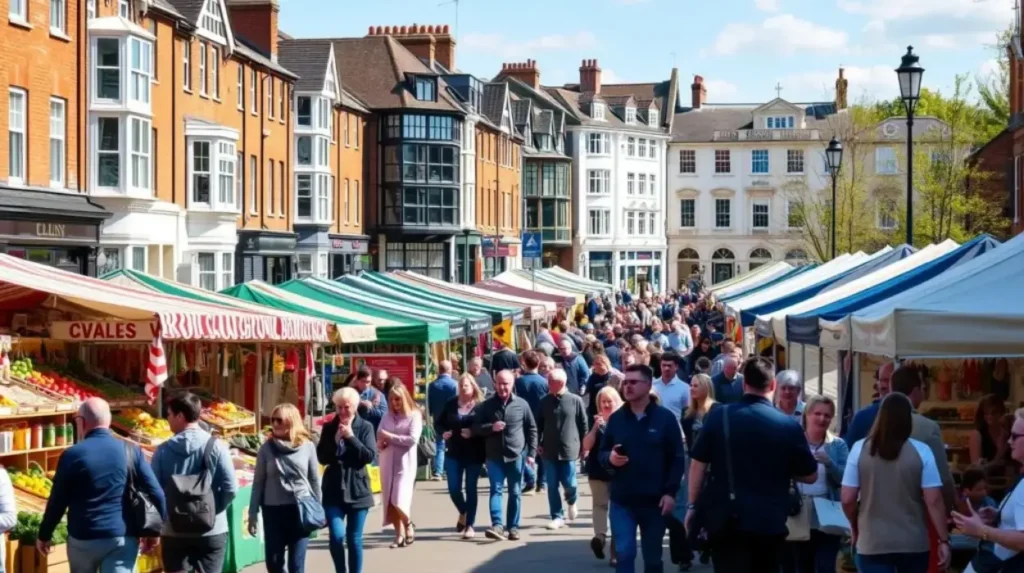
Ealing offers a lively mix of independent shops, diverse restaurants, and cafes, particularly along Pitshanger Lane and the Broadway. The thriving weekly farmers’ market emphasizes local produce and community engagement. Strong transport links, including the Elizabeth Line, make central London easily accessible within ten minutes, enhancing commuter convenience. Neighborhoods such as West Ealing feature family homes and Victorian terraces, supported by highly regarded schools like Pitshanger Primary. Community events ranging from music festivals to markets foster a close-knit atmosphere, while access to healthcare services through Ealing Hospital ensures comprehensive local support for residents.
Modern Ealing: Economy and Future
Ealing is a growing commercial center, hosting offices for technology and financial firms while benefiting economically from its proximity to Westfield London. Sustainability initiatives such as electric bus trials and tree-planting programs highlight the borough’s commitment to environmental responsibility. Housing ranges from affordable homes to luxury apartments, attracting a diverse population including young professionals and families. Ongoing regeneration projects in Ealing Town Centre aim to enhance walkability and urban design. With a relatively low crime rate compared to other parts of London, Ealing continues to offer a safe, family-friendly environment, blending historical charm with modern innovation and community spirit.