Hammersmith and Fulham Council acts as the primary local authority for one of West London’s most dynamic boroughs, delivering essential services to over 183,000 residents. This comprehensive guide delves into its rich history, organizational structure, key services, and lasting community contributions, tailored for searches like “fulham/hammersmith/">hammersmith-and-fulham/">Hammersmith and Fulham Council services” or “H&F local government responsibilities.”
Council History
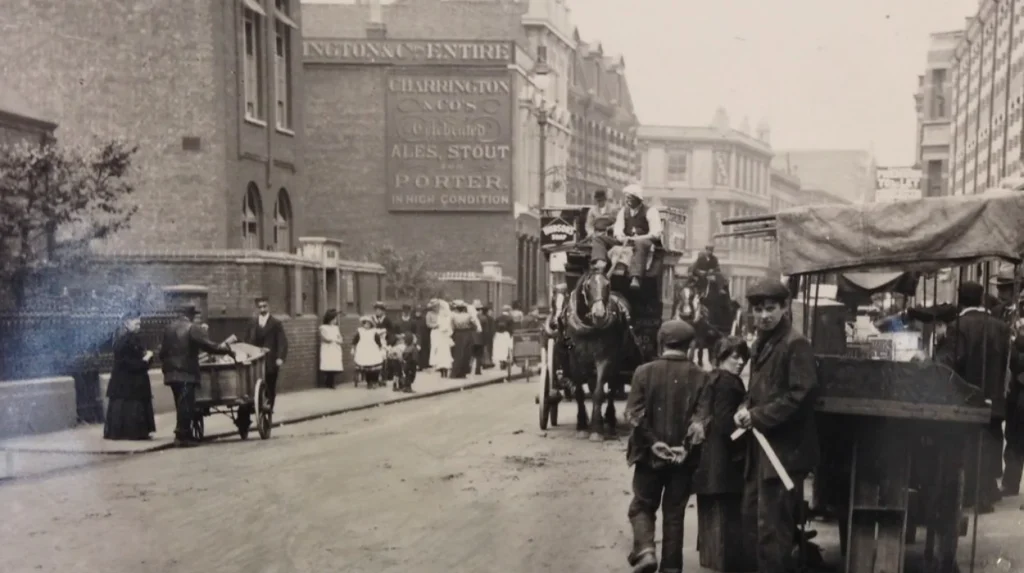
The Hammersmith and Fulham London Borough Council came into existence through the London Government Act 1963, holding its inaugural election in 1964 and assuming full authority on April 1, 1965, by combining the former Metropolitan Boroughs of Hammersmith and Fulham. Originally called simply Hammersmith, the borough adopted its current name in 1979 to better represent its two distinct areas. Between 1965 and 1986, the Greater London Council managed wider services such as fire protection and public transport, leaving the borough to concentrate on direct resident services like libraries and social care.
The abolition of the Greater London Council in 1986 transferred additional duties to the borough, including education responsibilities following the 1990 dissolution of the Inner London Education Authority. A pivotal legal moment occurred in 1991 with the Hazell v Hammersmith and Fulham LBC case, where the courts invalidated the council’s use of interest rate swaps, establishing key limits on local government financial powers.
Political Structure
Composed of 50 councillors representing 21 wards, the council holds elections every four years, with the next scheduled for May 2026. The Labour Party has maintained majority control since 2014, securing 37 seats, while Conservatives hold 10, Greens have 2, and one Independent as of July 2025. Stephen Cowan serves as the Labour leader, steering the administration since 2014.
Operating under a Leader and Cabinet model, the council distinguishes the ceremonial Mayor from the policy-driving Leader and Cabinet members who oversee areas like housing and environmental services. Wards such as College Park & Old Oak and Fulham Reach, each with three seats, provide balanced representation across diverse neighborhoods from Shepherd’s Bush to Parsons Green. Earlier periods saw Conservative dominance from 2006 to 2014 and instances of no overall control.
Core Services
Hammersmith and Fulham Council manages council tax collection, business rates, and contributions to the Greater London Authority. It functions as the local education authority, supporting schools, nurseries, and youth programs via Children’s Services. Housing plays a central role, with the council overseeing properties amid challenges like the 2021 damp and mould crisis, where it received the worst national ranking from the Housing Ombudsman.
Social care aids vulnerable populations, complemented by libraries, waste collection, and environmental health initiatives. Planning aligns with Greater London Authority guidelines, handling most approvals at the local level. Responsibilities extend to roads, traffic management, and pest control, with the Environmental Health Team tackling issues like noise and pollution. Council tax ranks as the third-lowest in England, featuring freezes or reductions five times in the past decade, though a 2.99% increase plus 2% social care precept is proposed for 2025/26.
Planning and Development
Through its planning framework, the council influences West London’s urban landscape, integrating with national and Greater London Authority strategies. It reviews applications for homes, businesses, and land-use changes, offering guidance on permissions. Sustainable growth targets high-demand zones like White City and Fulham Reach.
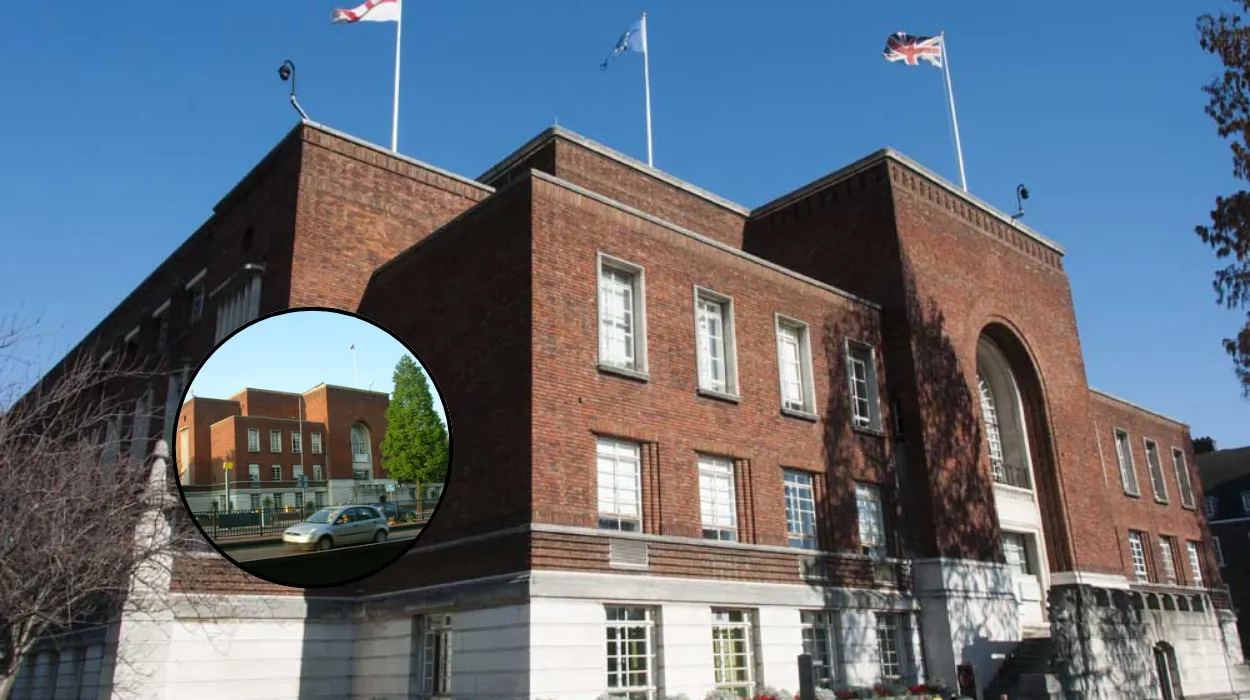
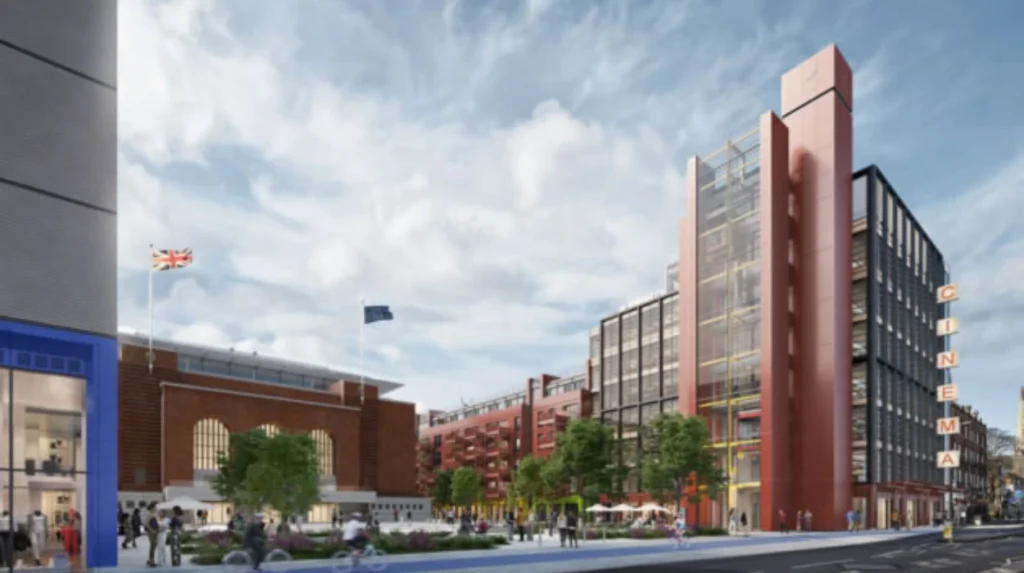
The Hammersmith Town Hall refurbishment creates a modern Civic Campus, set to reopen in 2025 after removing 1970s structures. Collaborations, such as with Barnsley Council, promote inclusive projects including digital hubs and health programs.
Community Initiatives
The council advances inclusivity through efforts like the Building Trust Project, addressing structural racism in health services for Black communities. Community events strengthen ties among residents, the NHS, and council officials. Initiatives span Remembrance Sunday observances, resident education via Nextdoor, children’s play areas, youth engagement, and environmental enhancements.
The council’s LinkedIn presence underscores its role in serving this inner London borough, positioned between the City and Heathrow.
Demographics Overview
Home to 183,157 people per the 2021 Census, the borough shows a gender split of 47% male and 53% female, with 17% under 18, 72% working-age, and 10% over 65. Ethnic diversity includes 63% White, 11% Asian, and 12% Black residents, alongside 29% reporting no religion and 12% Muslim. About 55% are UK-born, 17% EU-born, and 22% aged 20-29, with population growth from 182,493 in 2011 highlighting its desirability.
Budget and Finances
Facing escalating demands, the council aims for budget balance in 2025/26 while keeping council tax low. Support schemes benefit 40% of households, including full discounts for the most vulnerable—a rarity among London boroughs. Funds address housing repairs, education, and social care, even as damp remediation adds pressure.
Hammersmith and Fulham Council continues prioritizing resident well-being amid borough evolution, from Civic Campus upgrades to equitable service delivery. Scrutiny committees maintain accountability on budgets and policies. For West London communities, it bridges historic roots with forward-thinking governance.