West London is one of the capital’s most diverse shopping areas. The region combines major shopping centres, traditional high streets, independent boutiques, luxury retail districts, specialist markets and food markets. Its retail landscape covers neighbourhood shopping and international brands, making it suitable for different budgets and shopping purposes.
- What makes shopping in West London different from shopping elsewhere in London?
- Which are the main shopping areas in West London?
- Where can you find the biggest shopping centre in West London?
- Where should you shop for antiques and vintage goods in West London?
- What can you buy at Portobello Market?
- Where is the best place for luxury shopping in West London?
- Is King’s Road good for independent shopping?
- Which West London high streets are best for everyday shopping?
- How does West London shopping support independent businesses?
- How important are markets to shopping in West London?
- How accessible is shopping in West London?
- When is the best time to go shopping in West London?
- How is shopping in West London changing?
- What should visitors know before planning a West London shopping trip?
- Why does shopping in West London remain important?
The area includes major destinations such as Westfield London, Kensington High Street, King’s Road, Sloane Street, Portobello Road, Notting Hill, fulham/hammersmith/">hammersmith-and-fulham/shepherds-bush/">Shepherd’s Bush, Hammersmith, hounslow/chiswick/">Chiswick and Ealing. Each location has a distinct retail profile.
West London shopping also reflects the wider transformation of London’s high streets. London City Hall reported that 66.8% of addresses on London high streets were residential in June 2025, demonstrating that modern high streets operate as mixed-use neighbourhoods rather than purely retail districts. In 2025, 63% of Outer London high streets and town centres recorded an increase in daytime purchases compared with 2024.
What makes shopping in West London different from shopping elsewhere in London?
Shopping in West London combines large retail centres, luxury streets, independent shops, historic markets and neighbourhood high streets within a connected urban area. Visitors can find fashion, antiques, food, homeware, beauty products and specialist goods across distinct shopping districts.
West London does not have one single shopping identity. Instead, it contains several interconnected retail environments.
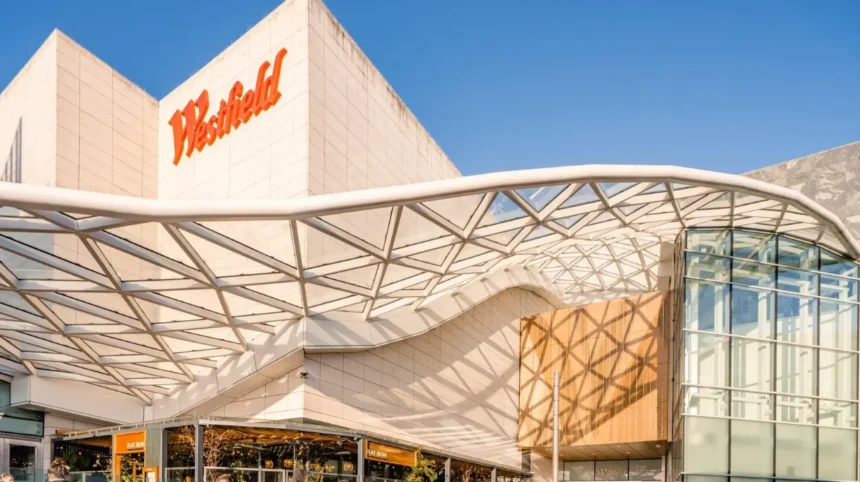
Westfield London provides large-scale indoor shopping in White City and Shepherd’s Bush. The centre’s current retailer directory lists 314 shops, covering fashion, beauty, technology, food, lifestyle and everyday products.
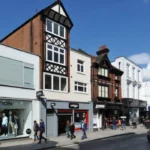
Kensington High Street provides a traditional central London high-street environment. The area combines retail stores, restaurants, services and residential buildings.
King’s Road in Chelsea has a strong association with fashion, design, interiors and independent retail. The street connects shopping with restaurants, cafés and cultural destinations.
Portobello Road provides a different experience. Its market has operated for more than 160 years and developed from a traditional local market into an internationally recognised destination for antiques, vintage goods, fashion, food and other products.
West London therefore serves several shopping intents. A visitor searching for major brands has different options from someone looking for antiques or independent products. This concentration of different retail formats is one of the defining characteristics of the area.
Which are the main shopping areas in West London?
The main West London shopping areas include Westfield London, Kensington High Street, King’s Road, Sloane Street, Portobello Road, Notting Hill, Hammersmith, Chiswick and Ealing. Each district serves different retail needs and customer groups.
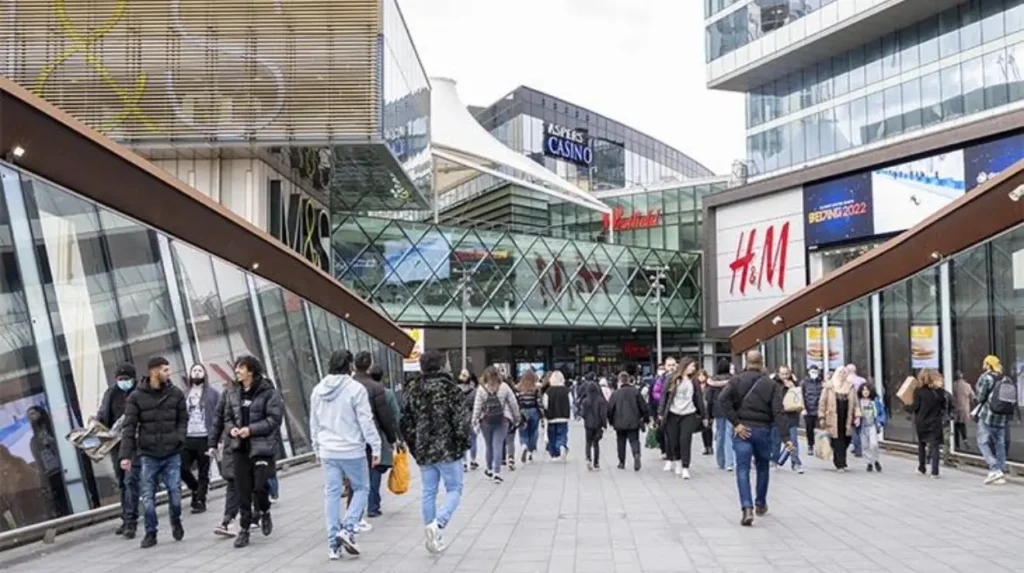
Westfield London is the largest concentrated shopping destination in the area. Its retailer mix includes international brands, British high-street retailers, beauty companies, technology businesses and specialist stores.
Kensington High Street serves shoppers looking for mainstream retail combined with restaurants, cafés and local services. Its location also makes it convenient for visitors exploring Kensington’s museums, parks and cultural attractions.
King’s Road is particularly relevant for fashion, interiors and independent retail. The street has a long commercial history and remains closely associated with Chelsea’s design and fashion identity.
Sloane Street represents the luxury end of West London retail. It connects Knightsbridge and Chelsea and contains high-end fashion, jewellery and luxury brands.
Portobello Road is the principal market destination. It is especially important for antiques, vintage products, second-hand goods, food and independent traders.
Notting Hill adds smaller shops, cafés, food businesses and independent retailers around streets such as Westbourne Grove.
Hammersmith functions as a major commercial centre for west London residents. Its retail offer includes shopping centres, high-street businesses, restaurants and everyday services.
Chiswick has a more neighbourhood-oriented retail environment. It contains independent businesses, boutiques, cafés, restaurants and specialist shops.
Ealing provides another major West London shopping centre. Its high streets support everyday retail, food businesses, services and independent operators.
Where can you find the biggest shopping centre in West London?
Westfield London is West London’s largest major shopping centre, with hundreds of retailers under one roof. It provides fashion, beauty, technology, food, lifestyle products and everyday shopping alongside restaurants and entertainment facilities.
Westfield London is located in the White City and Shepherd’s Bush area. It forms part of the wider regeneration and commercial environment around West London.
The centre’s official retailer directory currently lists 314 shops. The range includes brands such as Adidas, Apple, Aesop, AllSaints and many other international and British retailers.
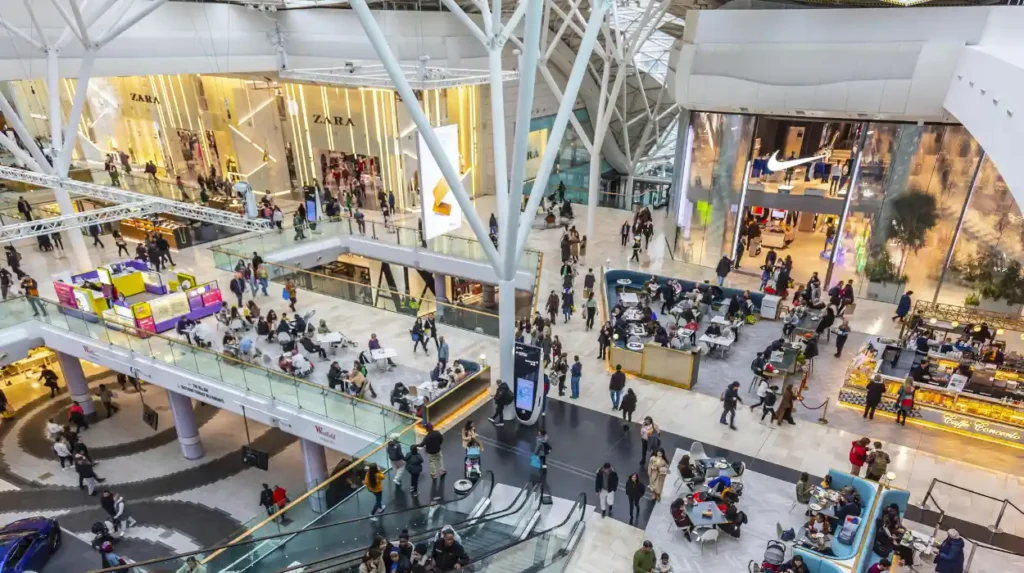
The shopping centre provides an indoor retail environment. This makes it particularly practical for visitors who want to browse several categories in one location.
Its retail structure covers multiple price levels. High-street fashion sits alongside premium and luxury brands. Beauty stores, technology retailers, sports businesses and lifestyle companies add further variety.
Westfield London also benefits from strong transport connections. Shepherd’s Bush and White City provide Underground access, while Shepherd’s Bush station provides connections with London Overground services.
The centre is therefore useful for visitors who want an efficient shopping trip rather than a street-by-street retail experience.
Where should you shop for antiques and vintage goods in West London?
Portobello Road and Portobello Market are the leading West London destinations for antiques, vintage goods and second-hand shopping. The market also sells fashion, food, homeware, collectables and other products through permanent shops and market traders.
Portobello Road is one of the defining retail destinations in West London.
The Royal Borough of Kensington and Chelsea states that the market has a 160-year history. The council also describes its antiques tradition as lasting for almost 80 years.
The market developed significantly during the twentieth century. Antique traders became particularly important from the 1950s. The area later gained international visibility through the film Notting Hill.
Portobello Market extends along Portobello Road and connects with Golborne Road. The market includes different retail sections rather than one uniform shopping category.
Antiques remain one of its strongest identities. Visitors can also find vintage clothing, second-hand products, home accessories, food, decorative items and specialist goods.
The market is particularly suitable for shoppers who want products that differ from standard high-street retail.
The council’s 2022–2027 Markets Plan contains 46 action points covering markets and street trading across Kensington and Chelsea. These measures focus on supporting traders, improving markets and maintaining their role in local communities and the visitor economy.
Portobello Road also has an important future investment programme. Kensington and Chelsea Council approved £4.4 million of improvements in February 2026 covering safety, accessibility, flood resilience, lighting and greenery. Construction is scheduled to start in early 2027.
What can you buy at Portobello Market?
Portobello Market sells antiques, vintage clothing, second-hand products, food, home accessories, collectables and new goods. The market changes across its different trading areas, creating a broad retail offer along Portobello Road and Golborne Road.
Antiques are central to Portobello’s identity. Specialist dealers sell furniture, decorative objects, collectables and other historic products.
Vintage shopping provides another major category. Clothing, accessories and home products attract shoppers interested in second-hand and retro retail.
Food is also an important part of the market environment. Fresh produce, prepared food and specialist food businesses operate within the wider Portobello and Golborne area.
New goods are available alongside second-hand products. This mixture makes the market different from a conventional antique fair.
The market’s scale also creates a linear shopping experience. Visitors move between permanent shops, arcades, galleries, cafés and market stalls.
Portobello and Golborne Market won the National Association of British Market Authorities’ Best Large Outdoor Market award at the Great British Market Awards in 2023. The award recognised its role as a major market and community asset.
Where is the best place for luxury shopping in West London?
Sloane Street and the surrounding Chelsea and Knightsbridge area provide West London’s strongest concentration of luxury shopping. The district is associated with international fashion houses, jewellery, watches, designer clothing, beauty products and premium lifestyle goods.
Luxury retail in West London is concentrated around Sloane Street, Chelsea and nearby Knightsbridge.
Sloane Street connects two major London retail environments. Its location places it close to Harrods and other luxury destinations in Knightsbridge while also providing direct access to Chelsea.
Luxury shopping differs from conventional high-street retail through product positioning, specialist service and brand exclusivity.
Fashion is a major category. Jewellery and watches represent another important segment. Beauty, accessories and premium home products also contribute to the area’s retail mix.
The surrounding Chelsea streets provide additional independent businesses. King’s Road is particularly relevant for fashion, interiors, design and lifestyle shopping.
Visitors interested in premium shopping can therefore combine several retail districts within one West London itinerary.
Is King’s Road good for independent shopping?
King’s Road is one of Chelsea’s principal shopping streets and provides a mixture of fashion, interiors, lifestyle products, independent businesses, restaurants and established retailers. Its retail character differs from large shopping centres through its street-based and neighbourhood-oriented format.
King’s Road has a long commercial history in Chelsea.
The street is strongly connected with British fashion and design history. Its retail environment has changed over time, but fashion and lifestyle remain important parts of its identity.
Independent retailers contribute significantly to the shopping experience. These businesses include boutiques, homeware stores, design shops and specialist retailers.
King’s Road is also connected with Chelsea’s wider cultural economy. Restaurants, cafés, galleries and creative businesses operate alongside shops.
This creates a mixed-use shopping environment rather than a single-purpose retail centre.
The street is particularly suitable for shoppers who want to combine retail with food and local sightseeing.
Visitors can also connect King’s Road with Sloane Square and nearby Chelsea streets. This creates a wider shopping area without requiring a large indoor shopping centre.
Which West London high streets are best for everyday shopping?
Hammersmith, Ealing, Chiswick and Kensington provide strong everyday shopping environments across West London. These areas combine supermarkets, pharmacies, fashion retailers, cafés, restaurants, personal services, independent shops and other businesses used by local communities.
Everyday shopping is different from destination shopping.
A local high street needs to provide regular services rather than only attract occasional visitors. West London’s high streets perform this function through mixed retail and community uses.
Hammersmith has a major commercial role in West London. Its central location and transport connections support shopping, employment and leisure activity.
Ealing provides another important shopping environment. Its high streets contain established retailers, independent businesses, food outlets and services.
Chiswick has a more localised retail character. Independent shops and specialist businesses operate alongside cafés and restaurants.
Kensington High Street combines retail with residential, cultural and visitor activity.
London City Hall reported that residential addresses represented 66.8% of London high-street addresses in June 2025. This demonstrates how shopping streets increasingly operate as mixed-use places containing homes, workplaces, services and retail businesses.
London’s 2025 retail data also showed that 63% of Outer London high streets and town centres recorded increased daytime purchases compared with 2024.
How does West London shopping support independent businesses?
Independent retailers give West London shopping districts local identity and product diversity. They operate alongside national chains and major shopping centres, particularly in areas such as Chiswick, Chelsea, Notting Hill, Portobello Road, Golborne Road and Ealing.
Independent businesses are important because they provide specialist products that large chains do not always stock.
West London’s independent retail economy includes boutiques, antique dealers, food businesses, specialist shops, galleries and market traders.
Portobello and Golborne are particularly significant. Kensington and Chelsea Council identifies these markets as important parts of the borough’s history, culture and local economy.
The council’s Markets Plan 2022–2027 focuses on supporting market businesses and street traders. Its 46 action points include initiatives for new businesses, charities, seasonal events and environmentally focused schemes.
Independent shopping also supports street-based retail. Instead of concentrating all activity inside a single shopping centre, businesses operate across multiple streets and neighbourhoods.
This creates different shopping environments across West London.
How important are markets to shopping in West London?
Markets remain a major part of West London’s retail structure. Portobello and Golborne Road, farmers’ markets and community markets provide food, antiques, fashion, homeware and specialist products while supporting traders and local economic activity.
Markets have a long history across West London.
Portobello and Golborne Road developed as markets during the nineteenth century. The Royal Borough of Kensington and Chelsea identifies the area’s market history from the 1860s.
The market environment expanded further during the twentieth century. Antique trading became a major component during the 1950s, while the Westway provided additional space for market activity during the 1970s.
Other markets also operate across Kensington and Chelsea. Examples include Notting Hill Gate Farmers’ Market, Bute Street Farmers’ Market, High Street Kensington Farmers’ Market and Partridges Food Market.
Community markets serve a different purpose. They provide residents with food, fresh produce and local services while supporting small traders.
This market network makes West London particularly diverse for specialist and independent shopping.
How accessible is shopping in West London?
West London shopping is highly accessible through London Underground, Overground, rail, bus, walking and cycling networks. Major retail destinations are concentrated around well-connected stations, including Shepherd’s Bush, White City, Hammersmith, Kensington, Ealing and Notting Hill.
Transport plays an important role in West London’s retail geography.
Westfield London is served by Shepherd’s Bush and White City Underground stations. Shepherd’s Bush also provides rail connections.
Hammersmith has several transport connections and functions as a major interchange for West London.
Kensington High Street is served by the District and Circle lines through High Street Kensington station.
Notting Hill and Portobello Road are accessible from Notting Hill Gate and nearby Underground stations.
Ealing has benefited from improved rail connectivity, including Elizabeth line services at Ealing Broadway.
Visitors should select the transport route based on the shopping district rather than attempting to cover the entire region from one location.
Walking between nearby retail streets is practical in compact districts such as Chelsea, Kensington and Notting Hill.
Explore more Area Guide
Date Ideas in West London: Romantic Things to Do for Every Couple
Homeprotect Ranks Harrow Highest-Risk Area for Homebuyers, Harrow 2026
When is the best time to go shopping in West London?
The best shopping time depends on the destination. Major shopping centres provide consistent opening periods, while markets follow trader schedules and specific market days. Weekdays suit quieter retail trips, while market-focused visits require planning around individual market operating times.
Shopping centres generally provide the most predictable retail schedule.
Markets require more planning because different sections operate on different days and times.
Portobello Road is particularly busy during its principal market days. The council has also introduced traffic restrictions during market operating periods to provide more space for traders and shoppers.
As of 2026, Portobello Road improvement plans include changes to accessibility, safety and market infrastructure. Construction is scheduled to begin in early 2027.
Visitors should check official retailer and market information before travelling because individual stores and market operations can change.
Seasonal events also influence shopping activity. Christmas retail, summer markets and local festivals create additional activity across West London.
How is shopping in West London changing?
West London shopping is evolving through mixed-use high streets, market investment, improved public spaces, changing consumer behaviour and stronger integration between retail, food, culture and leisure. Major centres remain important while independent businesses continue to shape local shopping districts.
The future of West London retail is not based solely on increasing the number of shops.
High streets increasingly combine retail with housing, offices, restaurants, cultural facilities and services.
London City Hall’s 2026 analysis shows this mixed-use structure clearly. In June 2025, 66.8% of London high-street addresses were residential.
Retail activity is also stabilising after major changes caused by the COVID-19 pandemic. London City Hall reported that more than half of London’s high streets and town centres recorded increased purchases in 2025 compared with 2024.
The average vacancy rate across London high streets and town centres was 9.3% in 2025. Inner London recorded an average rate of 9.7%, while Outer London recorded 8.4%.
Investment is also shaping specific shopping destinations. Portobello Road has an approved £4.4 million improvement programme covering safety, accessibility, greenery and flood resilience.
These changes support the continued role of shopping streets as commercial and community destinations.
What should visitors know before planning a West London shopping trip?
Visitors should choose one or two connected shopping districts, check individual opening times, plan transport, allow extra time for markets and combine shopping with nearby food or cultural attractions. Different West London areas serve different shopping purposes and budgets.
A successful West London shopping trip starts with choosing the right retail environment.
Westfield London is suitable for a large selection of mainstream, premium and international retailers.
Portobello Road is better suited to antiques, vintage goods, market products and independent shopping.
King’s Road works well for fashion, interiors and Chelsea-based independent retail.
Sloane Street is focused on luxury shopping.
Kensington High Street, Hammersmith, Chiswick and Ealing provide broader everyday shopping.
Visitors should also consider the distance between districts. West London is geographically large, so a trip covering Westfield, Portobello, Chelsea and Ealing in one short session creates unnecessary travel.
A district-based itinerary provides a more efficient experience.
Shopping can also be combined with restaurants, cafés, museums, galleries, parks and historic attractions. This makes West London suitable for both dedicated retail trips and broader leisure visits.
Why does shopping in West London remain important?
Shopping in West London remains important because the area combines major retail centres, independent high streets, historic markets, luxury districts and everyday neighbourhood businesses. Its diverse retail structure supports residents, visitors, traders and the wider local economy.
West London represents several forms of modern urban retail.
Large shopping centres provide concentrated brand choice and indoor facilities. High streets provide everyday services and neighbourhood businesses. Luxury districts attract premium retail. Markets preserve traditional trading while supporting independent businesses.
Portobello Road demonstrates how historic markets remain relevant within a modern city. Its more than 160-year history connects West London’s contemporary visitor economy with nineteenth-century market trading.
Westfield London demonstrates the scale of modern retail. Its current directory lists 314 shops across fashion, beauty, technology, lifestyle and other categories.
London’s wider retail data also confirms that high streets continue to generate significant purchasing activity. In 2025, 63% of Outer London high streets and town centres recorded increased daytime purchases compared with the previous year.
The future of West London shopping therefore rests on variety rather than one retail model. Large shopping centres, independent businesses, markets and mixed-use high streets all contribute to the region’s commercial identity.
For visitors, this diversity creates clear choices. West London provides mainstream shopping at Westfield, luxury retail around Sloane Street, independent and design-led shopping along King’s Road, antiques and vintage goods at Portobello, and everyday retail across Hammersmith, Ealing, Chiswick and Kensington.
This combination makes West London one of London’s most comprehensive areas for shopping, dining and urban leisure.
When is the best time to shop in West London?
Weekdays generally provide a quieter shopping environment, while weekends are useful for market visits and leisure shopping. Market opening times vary, so visitors should check official information before travelling.