Key Points
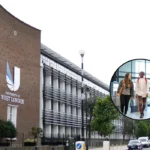
- University of West London (UWL) in Ealing ranked as the most sustainable university in London in the 2025/26 People & Planet University League.
- The league assesses 147 UK educational institutions against 14 criteria, awarding classifications from first class to fail.
- Five London universities received first-class awards, with UWL and the University of Greenwich in the top ten nationally.
- Manchester Metropolitan University topped the overall table for a record fourth time.
- UWL achieved top five position for carbon reduction across the UK.
- Claire Willitts, Pro vice-chancellor (property, sustainability and accommodation) at UWL, stated: “Being classed as the most sustainable university in London and in the top five for carbon reduction across the UK reaffirms that sustainability is central to the mission and strategy of UWL. We are determined to keep driving progress, not only for our university but for the wider sector, because we believe education and sustainability must go hand in hand to create lasting change.”
- Major greening of UWL’s campus contributed to its ranking.
- Campaigns on migrant justice and fossil fuels influenced this year’s results.
- 116% rise in universities divesting from private firms profiting from border controls; SOAS, University of the Arts London, and London School of Hygiene and Tropical Medicine improved scores after cutting ties.
- Eighteen universities, including the Royal College of Music, now refuse to promote jobs with fossil fuel companies, an 80% increase from last year.
- Jack Ruane, People & Planet’s University League manager, said: “Well done to the University of West London, which has invested a lot into decarbonisation and renewable energy on campus, signalling that it aims to lead on innovation and sustainability.”
University of West London Leads London in Sustainability Rankings
The University of West London (UWL) in Ealing has emerged as the most sustainable university in the capital, securing top spot in London according to the prestigious 2025/26 People & Planet University League. This national table evaluates 147 UK higher education institutions across 14 rigorous criteria, spanning environmental sustainability, ethical investments, and social justice initiatives. Classifications range from first class to fail, with UWL’s achievement highlighting its comprehensive campus greening efforts.
- Key Points
- University of West London Leads London in Sustainability Rankings
- What Made UWL the Top Sustainable University in London?
- Which London Universities Received First-Class Awards?
- How Did Migrant Justice Campaigns Impact the Rankings?
- What Changes Occurred in Fossil Fuel Policies at Universities?
- Who Topped the National University League Table?
- What Are the People & Planet University League’s Criteria?
- Why Is UWL’s Carbon Reduction Ranking Significant?
- How Does UWL Compare to Other Top UK Universities?
- What Broader Implications Do These Rankings Have for UK Higher Education?
Five London universities earned first-class awards in the league, but UWL and the University of Greenwich stood out by placing in the national top ten. Manchester Metropolitan University claimed the overall top position for a record fourth consecutive time, underscoring its dominance in the sector.
Claire Willitts, Pro vice-chancellor for property, sustainability, and accommodation at UWL, celebrated the ranking in a statement emphasising the institution’s commitment. As reported across multiple outlets covering the league’s release, she said:
“Being classed as the most sustainable university in London and in the top five for carbon reduction across the UK reaffirms that sustainability is central to the mission and strategy of UWL. We are determined to keep driving progress, not only for our university but for the wider sector, because we believe education and sustainability must go hand in hand to create lasting change.”
UWL’s strong performance in carbon reduction—placing it in the UK’s top five—stems from substantial investments in decarbonisation and renewable energy, as noted by league coordinators.
What Made UWL the Top Sustainable University in London?
UWL’s ascent to the pinnacle of London sustainability owes much to a major greening overhaul of its campuses. The institution has prioritised innovations such as enhanced renewable energy installations and aggressive decarbonisation measures, positioning it as a leader in practical climate action.
Jack Ruane, People & Planet’s University League manager, praised UWL’s efforts in coverage by various news sources. He stated:
“Well done to the University of West London, which has invested a lot into decarbonisation and renewable energy on campus, signalling that it aims to lead on innovation and sustainability.”
These initiatives align with the league’s multifaceted assessment, which now integrates climate action with social justice—a shift that reshaped outcomes this year. UWL’s balanced approach across environmental and ethical benchmarks propelled it ahead of other London peers.
Which London Universities Received First-Class Awards?
Precisely five universities in London clinched first-class status in the 2025/26 league. UWL led the pack as the capital’s most sustainable, followed closely by the University of Greenwich, both securing national top-ten spots.
Other first-class London achievers included institutions demonstrating strides in sustainability metrics, though specific names beyond UWL and Greenwich were not individually highlighted in the primary league announcements. This collective success reflects growing momentum in London’s higher education sector towards greener operations.
The league’s methodology ensures a holistic view, penalising laggards while rewarding comprehensive progress.
How Did Migrant Justice Campaigns Impact the Rankings?
Campaigns focused on migrant justice significantly influenced this year’s People & Planet University League results. A striking 116% increase occurred in universities divesting from private firms that profit from border controls.
Notable improvers included SOAS, the University of the Arts London, and the London School of Hygiene and Tropical Medicine, which boosted their scores after severing ties with the border industry. These divestments underscore a broader ethical pivot in academia, linking financial decisions to human rights advocacy.
The league’s evolving criteria captured this trend, elevating institutions that aligned investments with social justice principles.
What Changes Occurred in Fossil Fuel Policies at Universities?
Fossil fuel campaigns drove another key shift: eighteen universities now refuse to promote jobs with fossil fuel companies, marking an 80% surge from the previous year. The Royal College of Music joined this group, exemplifying music institutions’ entry into sustainability leadership.
This policy hardening reflects mounting pressure on higher education to distance itself from high-carbon industries. Universities adopting these stances saw uplifts in their league classifications, as ethical recruitment practices became a weighted criterion.
Who Topped the National University League Table?
Manchester Metropolitan University dominated the 2025/26 People & Planet University League for a record fourth time, cementing its status as the UK’s greenest institution overall. Its consistent excellence across the 14 criteria sets a benchmark for peers nationwide.
While London shone brightly—led by UWL—the northern powerhouse’s repeat victory highlights regional disparities and successes in sustainability adoption.
What Are the People & Planet University League’s Criteria?
The league scrutinises 147 UK universities against 14 criteria, blending environmental metrics like carbon emissions and waste management with social indicators such as ethical investments and diversity efforts. Classifications span first class down to fail, providing a granular performance snapshot.
This year’s emphasis on migrant justice and fossil fuels introduced fresh dynamics, rewarding proactive divestment and policy shifts.
Why Is UWL’s Carbon Reduction Ranking Significant?
UWL’s placement in the UK’s top five for carbon reduction stands out amid national efforts to combat climate change. Campus-wide initiatives, including renewable energy expansions, directly contributed to this metric.
Pro vice-chancellor Claire Willitts linked this to UWL’s core strategy, as covered extensively:
“We are determined to keep driving progress… because we believe education and sustainability must go hand in hand to create lasting change.”
Such rankings pressure other institutions to accelerate their net-zero pathways.
How Does UWL Compare to Other Top UK Universities?
Nationally, UWL trails only a handful, with Manchester Metropolitan at the summit, followed by other top performers not detailed individually in league summaries. Greenwich mirrors UWL’s top-ten feat among Londoners.
UWL’s dual leadership in London sustainability and carbon metrics positions it as a sector pacesetter.
What Broader Implications Do These Rankings Have for UK Higher Education?
The 2025/26 league signals accelerating sustainability integration in UK universities. With divestments surging—116% in border-related firms and 80% in fossil fuel job promotions—the sector inches towards ethical alignment.
UWL’s triumph, as lauded by Jack Ruane, inspires wider innovation: “signalling that it aims to lead on innovation and sustainability.” As education grapples with climate imperatives, these tables could shape funding, recruitment, and policy for years ahead.
Institutions like SOAS and the Royal College of Music exemplify diverse fields embracing change, from humanities to arts. The league’s neutral, data-driven lens ensures credibility, urging even first-class holders like UWL to sustain momentum.
In total, this edition underscores education’s pivotal role in societal transformation. Universities are not mere bystanders but active agents in greening economies and upholding justice. With 147 institutions benchmarked, the table fosters healthy competition, potentially cascading benefits to students, staff, and communities.