

Key Points
- Peabody and Ealing Council scrap a decade-long regeneration project in Southall to build 282 affordable homes within a 564-home scheme.
- The requirement for a second staircase in buildings over 18 metres, enshrined in the Building Safety Act 2022, made the scheme financially unviable.
- Additional factors impacting viability included soaring construction costs and reduced market sales receipts amid a housing sector downturn.
- Attempts by Ealing Council and Peabody to explore financial solutions ultimately failed.
- Finding a new development partner was considered unrealistic due to timing and wider sector trends.
- Peabody’s new home starts dropped nearly 75% in the past financial year as the landlord prioritised investments in existing stock.
- The government implemented an ‘emergency’ planning package to revive London housebuilding, including lowered affordable housing requirements, generating mixed industry reactions.
What happened to the Southall regeneration project?
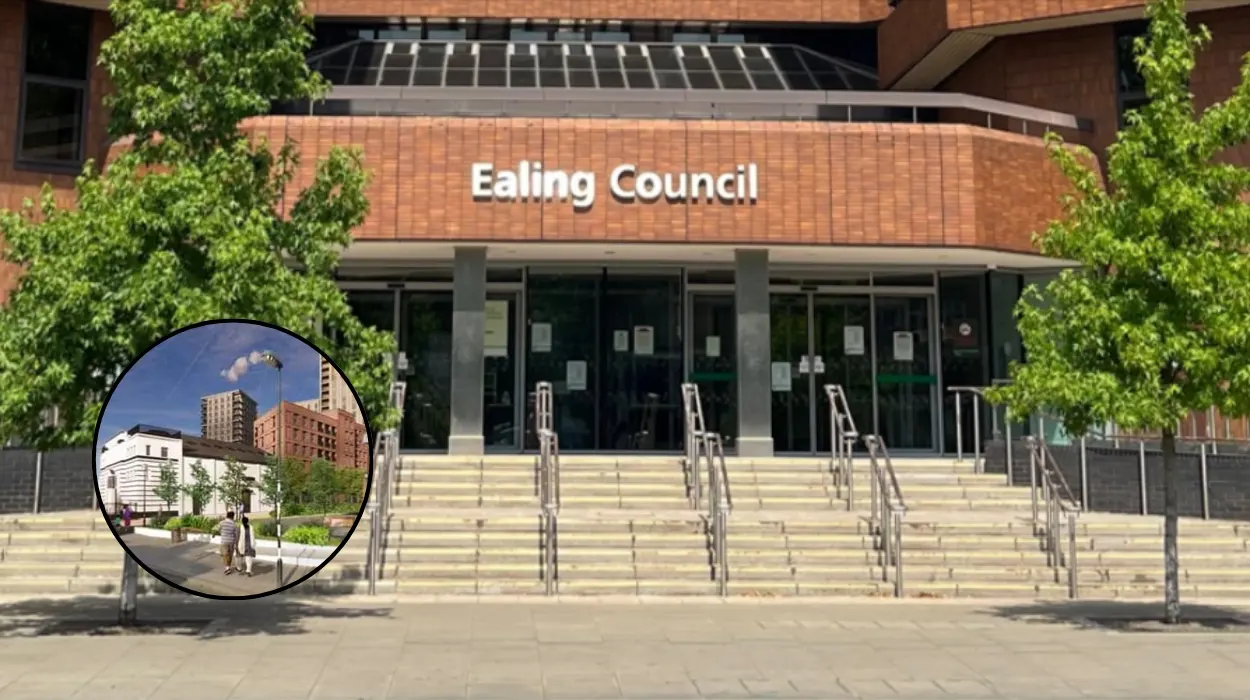
As reported by Inside Housing, Peabody and Ealing Council have officially ended their formal development agreement on the Southall regeneration scheme, marking the collapse of a project ten years in the making. The plan to build 564 homes, including 282 affordable units, at The Green in Southall was shelved after Peabody announced this summer the scheme was no longer financially viable.
The crux of the problem was the building safety regulation requiring a second staircase in residential blocks over 18 metres tall – a rule codified in the Building Safety Act 2022. According to accompanying council papers, this mandated addition caused the project’s viability to deteriorate sharply.
Why does the ‘second staircase’ rule affect building viability?
The council’s report stated,
“Ultimately, the most significant viability impact was caused by the two staircases requirement in London for buildings over 18 metres, which the Building Safety Act 2022 put in law in 2023.”
This legislation came following government-issued guidance in 2024 explicitly clarifying when second staircases must be included in high-rise residential blocks.
As covered by Inside Housing earlier this year, confusion and uncertainty around implementing the second staircase requirement and installing additional lifts in tall buildings have delayed developments across London. This scheme’s failure underscores those challenges.
What other factors contributed to the decision to scrap the project?
Ealing Council’s report emphasized that alongside the second staircase rule, a wider downturn in the housebuilding sector played a part. Skyrocketing construction costs and reduced market sales revenue impacted the cashflow needed to support affordable housing portions.
This was compounded by a broader market squeeze that has made many large development projects financially risky or unfeasible over recent years.
What attempts were made to save the scheme?
The report noted that officers within Ealing Council worked closely with Peabody to explore all possible options to make the scheme financially workable. However, most of these discussions remain confidential as they were detailed in a report unavailable to the public.
Despite these efforts, the parties concluded that continuing was untenable financially and operationally.
Could a new partner have saved the regeneration project?
According to the council, searching for a new development partner was ruled out due to timing constraints; the compulsory purchase order (CPO) enabling site acquisition is set to expire, and delays would mean losing critical momentum.
Moreover, the local authority highlighted that social housing providers are generally scaling back their development programmes, focusing instead on upgrading existing stock. Thus, securing another registered provider to take on the project was deemed unlikely.
What has Peabody said about withdrawing from the project?
A spokesperson for Peabody commented,
“We know how important new homes are for Ealing and for London as a whole, and it’s never an easy decision to step away from a project. Like many in the housing sector, we’re facing some tough challenges right now, and we have to focus our resources where we can make the biggest difference.”
The spokesperson added that although this particular development won’t go ahead, Peabody remains dedicated to building and improving homes throughout London, helping more people find high-quality, affordable housing.
How has Peabody’s broader strategy shifted recently?
Inside Housing’s analysis of Peabody’s June accounts revealed that the landlord’s starts for new homes plunged nearly 75% in the last financial year compared to the previous one. Ian McDermott, Peabody’s chief executive, stated then:
“While we started fewer new homes this year, we’re acutely aware of the overcrowding and homelessness challenges in London. We want to do what we can to support the delivery of new homes and regeneration in and around the capital.”
This highlights a strategic pivot by Peabody towards investing more in maintaining and upgrading its existing 108,000 homes rather than expansive new developments amid current challenges.
How is the wider London housebuilding sector faring?
The collapse of this Southall project comes amid worrying signs for London housebuilding. Falling housing starts led the government to unveil an ‘emergency’ package of planning reforms earlier this year, aiming to speed up construction and increase supply.
Measures included cutting affordable housing requirements for fast-track developments from 35% to 20%. Reaction within the housing sector was mixed, as discussed in Inside Housing coverage, with some warning that lowered targets could set undesirable precedents.
What does this mean for London’s regeneration and housing targets?
The Southall scheme’s cancellation points to broader systemic issues threatening affordable housing delivery in London. Stricter building safety rules, rising costs, and the financial pressures on social landlords create a complex environment for regeneration initiatives.
Ealing Council’s experience suggests councils and housing providers may need innovative approaches and government support to meet housing demand while complying with safety and financial viability requirements.
