Key Points
- Residents in Southall have raised concerns about people openly using drugs in the street after Ealing Council relocated its recovery service, RISE, to the area from West Ealing in February 2024.
- A Southall resident told Ealing Council that the number of people “openly making and smoking crack” appeared to have increased fourfold, with the Local Democracy Reporting Service seeing videos that appear to show open drug taking.
- Ealing Council says it does not believe the relocation of RISE is the reason for the increase in visible drug taking.
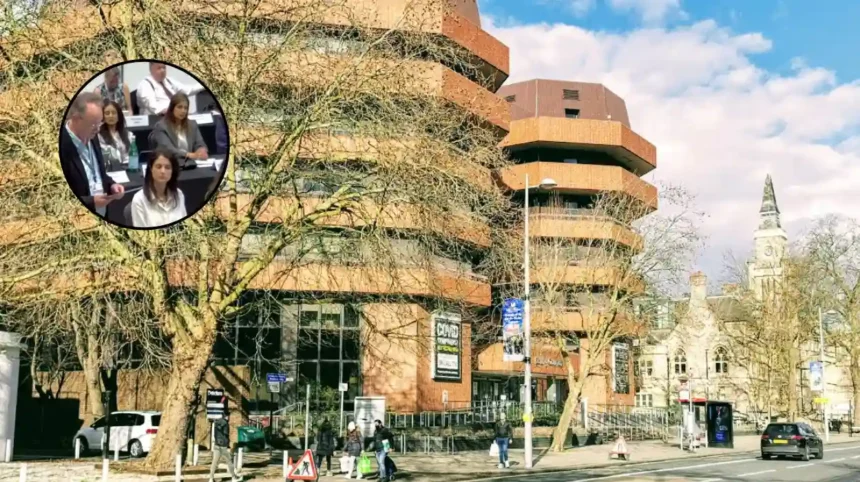
- At a Full Council meeting on Tuesday 30 June 2026, resident Herpreet Nirwal questioned the Cabinet Member for Healthy Equal Lives, Cllr Paul Driscoll, about the decision to move RISE without resident consultation.
- Cllr Driscoll said the council has a legal duty to provide adequate drug and alcohol treatment services and said RISE supports people in recovery.
- The council says police patrols, CCTV monitoring and targeted activity are being increased in Southall, especially near South Road and St Joseph’s Drive.
Southall (West London News) July 3, 2026 – residents have told the council that open drug use, aggressive begging and intimidation have become more visible since the relocation of the Recovery Intervention Service Ealing, better known as RISE, to Southall from West Ealing in February 2024.
At the Full Council meeting, Herpreet Nirwal asked why the cabinet member approved the move “in the absence of resident consultation and in the face of escalating drug use, aggressive begging and intimidation in the affected areas”.
Mr Nirwal later told the Local Democracy Reporting Service that the council’s response was “waffle”, and said open drug taking was his biggest concern.
What did Cllr Paul Driscoll say?
As reported by the Local Democracy Reporting Service, Cllr Paul Driscoll said there is a legal requirement on councils to provide adequate drug and alcohol treatment and recovery services.
He said RISE is a commissioned adult drug and alcohol treatment service that helps people reduce and stop substance abuse through tailored treatment plans and ongoing recovery assistance.
Cllr Driscoll also said the service is not new and has operated in Southall for 13 years across three locations. He urged people not to draw a “false link” between increased crime and vulnerable people accessing treatment.
What is RISE?
RISE, or Recovery Intervention Service Ealing, is a community service that provides assessments and short-term treatment for people struggling with addiction.
The service supports people dealing with substances including heroin, cocaine and alcohol, and also offers guidance for families and carers.
The council’s position is that such services are part of Southall’s long-standing support network and are intended to reduce harm and help people move into recovery. Ealing Council says there is no evidence that the current issues are being caused by the relocation of RISE.
What action is the council taking?
Cllr Driscoll told the meeting that increased patrols are already under way in the area. He said the Metropolitan Police have deployed the tactical support group and that patrols will be coordinated with the council’s park guard service to increase coverage.
The council also said there will be proactive CCTV monitoring to look for suspicious behaviour and alert police to activity causing concern.
According to the council, patrols will also gather intelligence to understand whether the groups involved are local, displaced from elsewhere, new to the area or known to RISE.
An Ealing Council spokesperson said residents’ concerns were understood, particularly reports of open drug use and intimidation, and described the behaviour as “completely unacceptable”.
The spokesperson added that the council is targeting known hotspots near South Road and St Joseph’s Drive and is stepping up outreach to move people off the streets and into support.
What do residents say they are seeing?
Mr Nirwal said he believes drug dealers have identified the facility and are approaching vulnerable drug users nearby.
He said residents are seeing new people every day and argued that dealers are positioning themselves near the service to reach a customer base.
He also said his mother now hesitates to go for a walk in the morning because of the people she sees in the park and on local roads.
Those concerns were echoed in the wider reporting, which noted that the Local Democracy Reporting Service has seen video material appearing to show open drug taking in Southall.
What is the council’s counter-argument?
Ealing Council says the situation is more complicated than a single relocation decision. It says the visible issues may reflect displacement from enforcement activity elsewhere and existing pressures in the area.
The council also says it is continuing to work with residents and businesses and will take further action where needed to keep Southall safe.
Its position is that support services for people with dependency issues have long existed in Southall and should not be treated as the cause of anti-social behaviour by themselves.
Background of the development
RISE is a drug and alcohol treatment service commissioned by Ealing Council, and the service was moved to Southall from West Ealing in February 2024.
The current dispute sits within a wider debate over where councils should place treatment services while balancing community concerns about visibility, safety and access to care.
The issue returned to public attention at a council meeting on 30 June 2026, when local residents pressed the council over what they see as a rise in drug-related disorder around the area.
The council’s response has centred on policing, CCTV, outreach and the argument that treatment services are necessary and legally required.
Prediction
For Southall residents, the most immediate effect is likely to be continued concern over street safety, public behaviour and confidence in the local area if visible drug use remains apparent.
For people using RISE, the debate could increase pressure on the council to show that treatment access can continue without fuelling disorder, which may lead to more policing and closer monitoring around the service.
For local businesses and families, the development may affect how people use streets, parks and nearby routes if enforcement does not quickly reduce intimidation and open drug taking.
The broader policy question for the council is whether it can maintain support services while convincing residents that the surrounding area is being kept safe.