

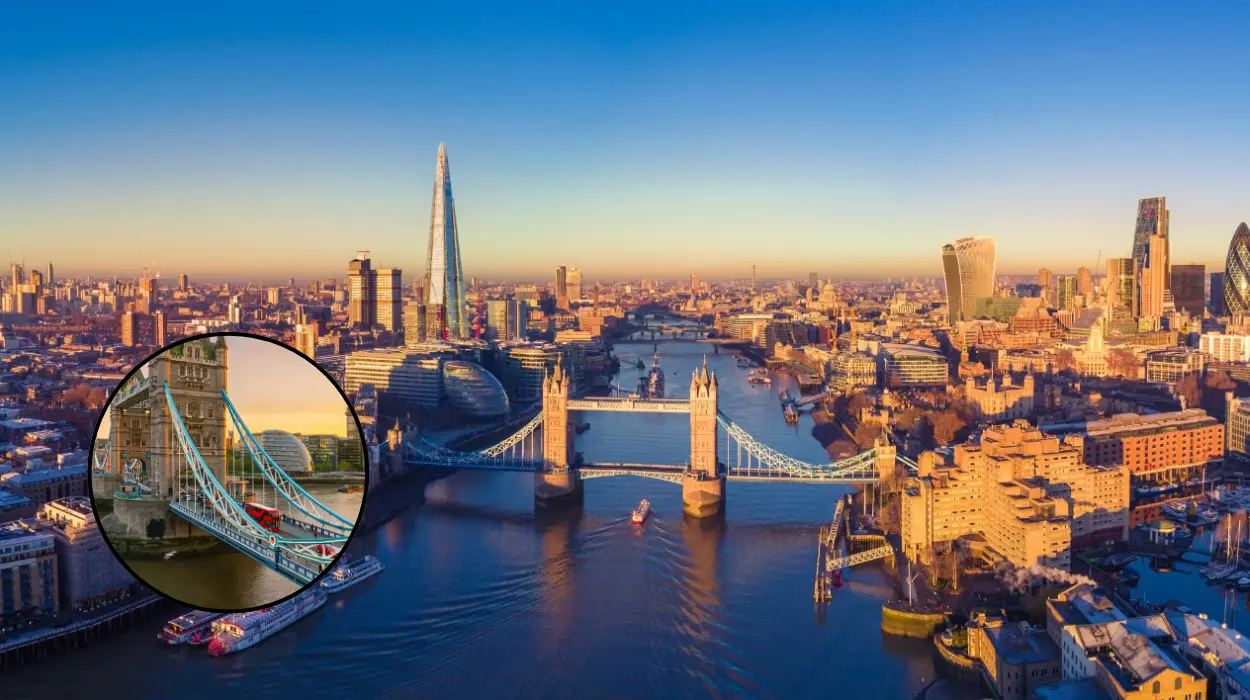
West London is a vibrant, culturally rich area known for its iconic history, artistic heritage, and diverse lifestyle. Whether you are a resident, visitor, or curious about this dynamic part of London, this comprehensive guide covers everything you need to know to truly get West London.
What is West London?
West London refers to the western part of Greater London, north of the River Thames, stretching from the City of London’s western boundary outwards towards the fringes of Greater London. This region envelopes a mixture of affluent residential neighborhoods, cultural hubs, historic landmarks, and bustling markets.
The Historical Roots of West London
West London grew around two early focal points: the site of Westminster Abbey and the Palace of Westminster (on what was originally known as Thorney Island), and the ribbon development extending westwards from the City of London in medieval times. The Abbey’s foundation dates back to the 7th century, becoming an anchor for urban growth that eventually formed the famous West End and surrounding districts.
The 17th century saw significant development with areas like St James’s and Mayfair emerging as fashionable districts under Henry Jermyn, known as the “Father of the West End.” The Victorian era contributed heavily to West London’s cultural fabric, especially in Kensington, Chelsea, fulham/hammersmith/">Hammersmith, and Fulham. The 1851 Great Exhibition’s success led to the establishment of the famous Museum Mile—home to the Science Museum, the Natural History Museum, and the Victoria and Albert Museum in Kensington, crowned London’s first cultural quarter.
Significant cultural movements flourished here; for example, in the 1960s, West London became the epicentre of London’s fashion and music revolution, especially around Kensington and Chelsea, eclipsing the original Carnaby Street scene.
Cultural Landmarks and Attractions
West London is home to numerous iconic cultural landmarks:
- Museum Mile: Located mainly in South Kensington, this includes the Victoria & Albert Museum, Science Museum, and Natural History Museum, places of interest for families, tourists, and locals alike.
- Royal Albert Hall: A premier venue for concerts, exhibitions, and events.
- Leighton House Museum: once the home of Victorian artist Lord Leighton, offering a deep dive into the art and design history of the area.
- Design Museum: Celebrating contemporary design and innovation.
- Kensington Palace: A historic royal residence set within Kensington Gardens.
These landmarks represent just the tip of West London’s cultural iceberg, making it a hub for art lovers, history enthusiasts, and creatives.
Lifestyle and Living in West London
West London offers a unique combination of stately residential areas, bustling shopping streets, and green spaces. Neighborhoods like Notting Hill, Chelsea, and Richmond are synonymous with elegance, leafy parks, boutique shopping, and exceptional dining options.
The lifestyle here balances a rich history, green open spaces such as Hyde Park, and a dynamic modern vibe. The King’s Road in Chelsea and Portobello Market in Notting Hill are iconic for fashion, antiques, and food markets, reflecting the diversity and vibrance of West London living.
Community life is enriched by numerous theatres, cinemas, libraries, and cafes, fostering a strong sense of connection and creativity.
How to Get to and Around West London
West London is well-connected via public transport with several Tube lines (Central, District, Piccadilly, Circle), bus routes, and train stations linking it with Central London and beyond. Heathrow Airport, London’s major international gateway, lies in the western borough, making travel convenient for business and leisure.
Cycling and walking paths abound, especially around parks and along the Thames Path, promoting eco-friendly transport. For car users, major roads such as the A40 and M4 provide access to the heart of the area.
Events and Things to Do Year-Round
West London is alive with year-round cultural events, festivals, and exhibitions. From the vibrant Notting Hill Carnival, jazz festivals at the Royal Albert Hall, to art exhibitions at the Design Museum, there is always something happening that caters to a wide range of interests.
Seasonal celebrations in parks, food festivals, and community markets invite both families and young professionals to experience the local culture actively.
Why West London Continues to Captivate
West London’s evergreen appeal lies in its combination of historic grandeur, artistic innovation, and diverse community life. Its landmarks stand the test of time, while cultural festivals and local markets continuously renew its vibrant atmosphere.
Its central yet spacious geography makes West London a perennial favourite for new residents, tourists, and businesses seeking a mix of tradition and modernity.
Tips for Visitors and New West Londoners
- Explore Museum Mile: Plan a day to visit Science Museum, Natural History Museum, and the V&A.
- Walk along the Thames Path: Enjoy scenic views connecting various parts of West London.
- Shop at Portobello Market: Ideal for antiques, street food, and cultural immersion.
- Use public transport: Opt for buses and Tubes to navigate easily.
- Attend Local Events: Check schedules for cultural festivals to experience West London’s vibe.
- Discover Hidden Gems: Visit Leighton House Museum and smaller galleries off the beaten path.
West London is more than just a geographical area—it’s a cultural, historical, and lifestyle experience blending the best of London’s past and present. Whether you are here for a day, a season, or a lifetime, getting to know West London means immersing yourself in rich history, world-class culture, and a truly vibrant community.
Discover West London, and let its timeless charm captivate you.
