Key Points
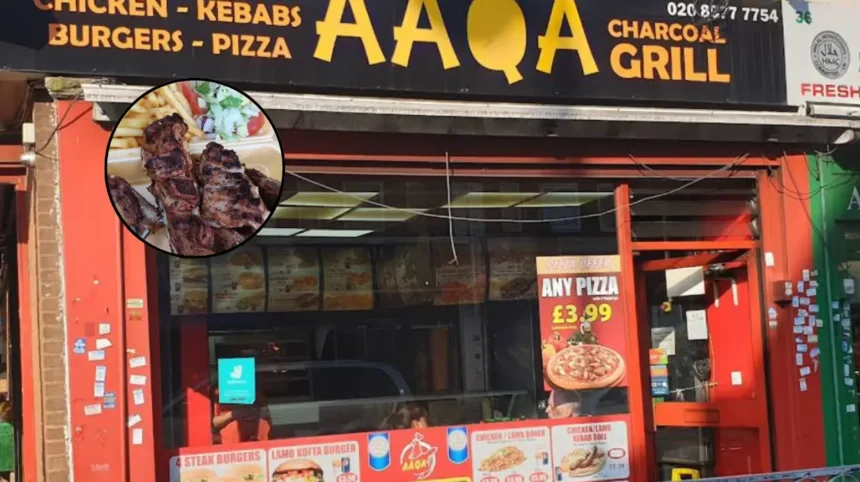
- Aaqa Charcoal Grill at 34 Bell Road, Hounslow, was forced to temporarily close after council inspectors discovered “rats and mice droppings” throughout the premises
- The closure followed a routine Hounslow Council inspection on May 25, 2026, during which officers found droppings on surfaces, floors, and gnawed materials
- Hounslow Council deemed the public health risk so severe that immediate action was taken
- The council applied to Uxbridge Magistrates’ Court for a Hygiene Emergency Prohibition Order under the Food Safety and Hygiene (England) Regulations 2013
- The court granted the order on May 29, 2026—just four days after the inspection
- Councillor Amy Croft, Cabinet Member for Infrastructure, Enforcement and Recycling and former Mayor, stated food businesses must maintain high hygiene standards and effective pest control at all times
- The eatery will only reopen once the council is satisfied all necessary improvements are made and no public health risk remains
- The court ordered Aaqa Charcoal Grill to pay all legal costs incurred by the council
- The takeaway typically sells a variety of pizza and chicken dishes and will cease trading for the foreseeable future
Hounslow (West London News) June 6, 2026 — A West London takeaway has been forced to temporarily close its doors after council inspectors discovered “rats and mice droppings” throughout the premises, raising serious public health concerns that triggered emergency legal action.
- Key Points
- What Did Council Inspectors Find During the Routine Inspection?
- Why Did Hounslow Council Take Immediate Action?
- What Did Councillor Amy Croft Say About Food Safety Standards?
- What Happens Next for Aaqa Charcoal Grill?
- How Common Are Rodent-Related Food Premises Closures in London?
- Background of the Development
- Prediction: How This Development Can Affect Hounslow Residents and Food Businesses
- Impact on Local Residents
- Impact on Food Business Owners
- Broader Implications for West London Food Industry
What Did Council Inspectors Find During the Routine Inspection?
As reported by the Evening Standard, Hounslow Council officers conducted a routine inspection of Aaqa Charcoal Grill on May 25, 2026, during which they discovered “rats and mice droppings” on surfaces and floors throughout the establishment. The inspectors also found materials that had been gnawed by rodents, indicating an active and ongoing infestation within the food preparation area.
The takeaway, located at 34 Bell Road in Hounslow, typically sells a variety of pizza and chicken dishes to local customers. The presence of rodent droppings in food preparation areas represents a severe contamination risk, as rodents can carry harmful bacteria and pathogens that pose significant threats to public health.
Why Did Hounslow Council Take Immediate Action?
Hounslow Council officers deemed the risk to public health so severe that they took immediate action against the establishment. According to the Evening Standard’s report, the council applied to Uxbridge Magistrates’ Court for a Hygiene Emergency Prohibition Order under the Food Safety and Hygiene (England) Regulations 2013.
The court granted the order on May 29, 2026—just four days after the routine inspection—demonstrating the urgency with which magistrates treated the public health violation. This emergency prohibition order is a legal mechanism that allows councils to immediately close food premises when inspectors identify conditions that pose an imminent risk to consumers.
What Did Councillor Amy Croft Say About Food Safety Standards?
As reported by the Evening Standard, Councillor Amy Croft, Cabinet Member for Infrastructure, Enforcement and Recycling and former Mayor of Hounslow, stated: “Food businesses have a clear responsibility to maintain high hygiene standards and effective pest control at all times”.
Councillor Croft continued: “Residents have the right to expect these standards from anywhere they dine out in our borough, and that’s why we will not hesitate to take immediate action where we identify conditions that put the public at risk”.
She further emphasised: “This case demonstrates that we will act quickly to protect residents and that businesses who fail to abide by food safety laws can face closure and significant costs”.
What Happens Next for Aaqa Charcoal Grill?
According to the Evening Standard, Aaqa Charcoal Grill will cease trading for the foreseeable future. The establishment will be allowed to reopen, but only once the council is satisfied that all necessary improvements have been made and that there is no longer a risk to public health.
The court also ordered the eatery to pay all legal costs incurred by the council in pursuing the emergency prohibition order. This financial penalty adds to the economic impact of the closure, which could be substantial for a small business dependent on daily trade.
How Common Are Rodent-Related Food Premises Closures in London?
While the specific frequency of similar closures in Hounslow was not detailed in the Evening Standard’s report, rodent infestations in food establishments remain a persistent public health concern across London. Similar cases have been reported in neighbouring boroughs, including Ealing Council cases where food businesses received heavy fines after inspectors uncovered severe mice infestations.
The Food Safety and Hygiene (England) Regulations 2013 provide councils with legal authority to take emergency action against food premises that pose immediate risks to public health. These regulations place the responsibility squarely on food business operators to maintain adequate pest control measures and hygiene standards.
Background of the Development
The closure of Aaqa Charcoal Grill represents part of Hounslow Council’s ongoing enforcement of food safety regulations in West London. The council’s pest control and welfare services handle reports of pest activity in commercial premises that store, sell, or supply food, including restaurants, bakeries, and supermarkets.
Councillor Amy Croft serves as Cabinet Member for Infrastructure, Enforcement and Recycling and previously held the position of Mayor of Hounslow. Her statement emphasises the council’s commitment to enforcing food safety standards and protecting residents from health risks associated with poor hygiene conditions in food establishments.
The Hygiene Emergency Prohibition Order is governed by the Food Safety and Hygiene (England) Regulations 2013, which provides legal framework for immediate closure of food premises when inspectors identify severe public health risks. This regulatory mechanism allows councils to act swiftly without waiting for lengthy court proceedings, prioritising public safety over business continuity.
Uxbridge Magistrates’ Court handles food safety enforcement cases for the Hounslow area, and the speed with which the court granted the prohibition order on May 29—just four days after the May 25 inspection—demonstrates the judicial system’s recognition of the severity of rodent infestations in food preparation areas.
Explore More Hounslow News
Hounslow Unit 1 Duke of London Premises Licence Application
Hounslow’s New Brentford Leisure Centre: £4m Plans for 2031 Opening
Prediction: How This Development Can Affect Hounslow Residents and Food Businesses
Impact on Local Residents
For Hounslow residents who regularly dine at local takeaways, this closure will reduce available food options in the Bell Road area. Customers who previously ordered pizza and chicken dishes from Aaqa Charcoal Grill will need to seek alternative establishments, potentially affecting their dining habits and spending patterns in the local area.
More importantly, this case reinforces residents’ confidence that council inspectors are actively monitoring food safety standards. As Councillor Croft stated, “Residents have the right to expect these standards from anywhere they dine out in our borough”. The swift enforcement action demonstrates that the council will not tolerate conditions that put the public at risk.
Impact on Food Business Owners
For other food business owners in Hounslow, this closure serves as a clear warning about the consequences of failing to maintain adequate pest control and hygiene standards. The combination of immediate closure, potential reputational damage, and the court-ordered payment of legal costs creates substantial financial risk for non-compliant businesses.
Food operators in the borough should review their pest control measures and hygiene protocols to ensure compliance with the Food Safety and Hygiene (England) Regulations 2013. The cost of professional pest control services and regular hygiene maintenance is significantly lower than the economic impact of emergency closure and legal proceedings.
The case also highlights that routine inspections can uncover serious violations at any time, and businesses cannot assume that past compliance guarantees future approval. Continuous maintenance of hygiene standards and effective pest control is essential for ongoing operation.
Broader Implications for West London Food Industry
This enforcement action in Hounslow may influence food safety practices across West London, as business owners in neighbouring boroughs monitor enforcement trends. Similar cases in Ealing, where food production companies received heavy fines for mice infestations, suggest a regional pattern of rigorous enforcement.
The precedent set by the rapid court approval of the emergency prohibition order reinforces that magistrates prioritise public health over business interests when rodent infestations are confirmed in food preparation areas. Food businesses throughout West London should expect similar swift action if inspectors discover comparable violations.