Key Points
- Hounslow residents have surrendered dangerous bladed weapons as part of a nationwide initiative aimed at tackling knife crime.
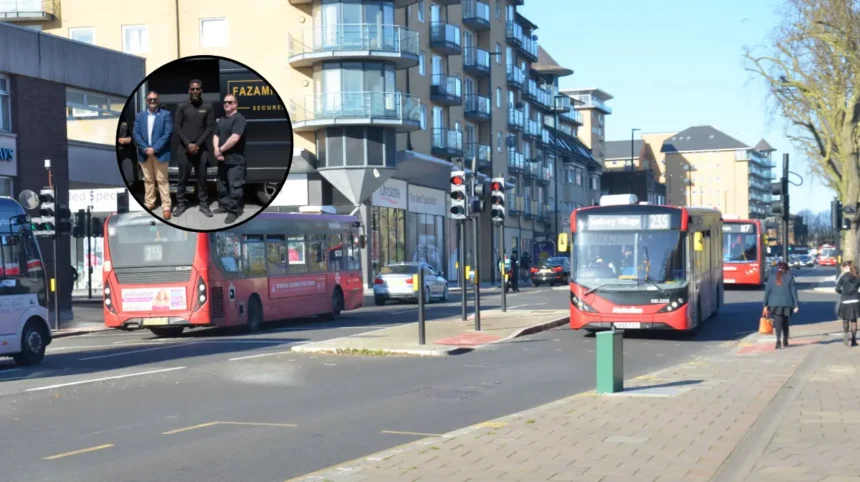
- A mobile surrender van operated by anti-knife crime charity FazAmnesty visited the borough to allow residents to dispose of weapons discreetly and anonymously with no questions asked.
- The local event formed part of a broader campaign backed by the Home Office to encourage safer choices and prevent youth violence.
- Hounslow Council confirmed that a permanent knife surrender bin remains accessible to the public on High Street, Feltham, TW13 4AY for ongoing weapon disposal.
- Councillor Ajmer Grewal emphasised that carrying a weapon increases personal risk and commended community members for making safer choices.
- Anti-knife crime campaigner Faron Paul, founder of FazAmnesty and a survivor of a severe knife attack, personally operated the mobile surrender vehicle.
Hounslow (West London News) August 28, 2026 — Dangerous weapons have been removed from the streets of West London after local residents participated in a community-focused weapon surrender initiative designed to reduce knife violence and foster safer neighbourhoods. The initiative saw the deployment of a mobile surrender van across Hounslow, providing a discreet, local channel for individuals to hand in knives and other sharp implements anonymously without fear of prosecution or police interrogation. Organized in partnership with the Home Office and local community groups, the operational drive forms part of a coordinated national movement addressing weapon possession, particularly among young demographics across urban centers.
- Key Points
- What Happened During the Hounslow Knife Surrender Event?
- How Are Local Leaders Responding to the Weapon Amnesties?
- Who Is Leading the Operation Behind the FazAmnesty Van?
- Where Can Residents Safely Dispose of Weapons Permanently?
- Background of Knife Surrender Initiatives and Local Public Safety Schemes
- Prediction: How This Development Will Affect the Local Community and Public Safety
What Happened During the Hounslow Knife Surrender Event?
The mobile surrender operation was conducted on Thursday, 27 August, bringing a specialized surrender vehicle directly into community spaces within the London Borough of Hounslow. The mobile van was operated by the charity organization FazAmnesty, providing an accessible alternative to traditional police station drop-offs. By offering a strict “no questions asked” policy, the organisers aimed to eliminate common barriers that prevent individuals from relinquishing dangerous items, such as fear of legal repercussions or police scrutiny.
Throughout the operational period, members of the public utilized the facility to hand over unwanted bladed items, removing weapons from potential circulation. Local authority figures noted that community-level accessibility is critical for encouraging participation, particularly among individuals who might feel apprehensive about visiting law enforcement facilities directly.
How Are Local Leaders Responding to the Weapon Amnesties?
Addressing the outcome of the mobile collection drive, Councillor Ajmer Grewal, Cabinet Member for Communities, Culture and Safety at Hounslow Council, highlighted the widespread harm caused by weapon-related incidents across local areas.
Councillor Ajmer Grewal stated that
“Knife crime affects families, victims and entire communities, and every life lost is one too many.”
Councillor Grewal directly addressed the common misconception regarding weapon possession for self-defence, warning that carrying a blade significantly heightens personal vulnerability rather than offering protection.
“Even if you think you’re carrying a knife for protection, it puts you at greater risk of becoming involved and violence and getting hurt,”
Councillor Grewal stated.
“That’s why choosing not to carry is the safest choice, and it’s great to see the Home Office and FazAmnesty creating opportunities for people to make that positive choice safely and anonymously.”
Reflecting on the preventative impact of the initiative, Councillor Grewal added:
“Every knife surrendered is one less weapon that could cause harm. If you missed the mobile surrender van, don’t worry – you can dispose of knives any time at the surrender bin located on Feltham High Street.”
Who Is Leading the Operation Behind the FazAmnesty Van?
The mobile amnesty unit was operated by anti-knife crime activist Faron Paul, who established FazAmnesty following a traumatic personal experience. Faron Paul survived a severe knife attack in which he sustained 18 stab wounds, an event that led him to dedicate his life to violence intervention and community safety.
Driven by his experience and a commitment to stopping knife-related violence, Faron Paul founded FazAmnesty to intervene before violence occurs. In addition to operating mobile surrender vans, the charity engages in proactive community work across London. Their operational scope encompasses regular community patrols, school educational workshops, youth mentoring initiatives, and trauma-informed training packages aimed at steering vulnerable young people away from gang involvement and violent crime.
Where Can Residents Safely Dispose of Weapons Permanently?
For community members who were unable to utilize the mobile surrender van during its scheduled visit on Thursday, local authorities have confirmed that alternative disposal options remain continuously available.
A permanent knife surrender bin is established at:
- Location: High Street, Feltham
- Postcode: TW13 4AY
- Access: Continuous, anonymous disposal available to the general public
This secure bin allows individuals to drop off bladed items and weapons safely at any time, ensuring that the momentum generated by the national Home Office campaign continues beyond temporary collection events.
Background of Knife Surrender Initiatives and Local Public Safety Schemes
Weapon surrender campaigns and anonymous collection schemes have become a central pillar of public safety and crime reduction strategies across the United Kingdom. Driven by national policy frameworks established by the Home Office, local councils and police forces regularly coordinate target amnesties alongside specialized third-sector charitable organizations.
Historically, weapon surrender drives relied primarily on fixed drop-boxes installed inside police stations. However, community feedback and crime reduction research consistently demonstrated that individuals holding weapons—particularly teenagers and young adults—often avoid police premises due to distrust or fear of detainment. To bridge this gap, mobile surrender operations like FazAmnesty were developed to introduce neutral, community-led collection points directly into residential areas.
In the London Borough of Hounslow, council initiatives have increasingly focused on early intervention, combining physical weapon removal with social education programs. High-profile incidents across Greater London have accelerated calls for accessible surrender channels, leading to expanded investment in secure drop-boxes in public hubs such as Feltham High Street. These physical interventions sit alongside broader legislative actions under national offensive weapon legislation aimed at banning specific types of blades, including machetes and dangerous multi-bladed items.
Prediction: How This Development Will Affect the Local Community and Public Safety
The successful execution of the mobile knife surrender operation in Hounslow is expected to yield several measurable effects across key segments of the local population:
- Impact on Young People and At-Risk Youth: The presence of a non-judgmental, community-based surrender channel removes immediate pressure from young individuals who may have acquired weapons due to peer influence or fear. By providing a safe exit route to hand over blades without criminal justice consequences, the scheme reduces the likelihood of tactical carrying, lower-level disputes escalating into catastrophic violence, and accidental injuries among youth.
- Impact on Local Residents and Families: Every physical weapon permanently removed from circulation directly decreases the raw availability of dangerous items within public spaces. For families and local residents, visible interventions by charities like FazAmnesty foster heightened confidence in neighborhood security and reassure communities that local authorities are actively taking preventative steps.
- Impact on Local Law Enforcement and Community Services: By preventing potential violent altercations through proactive removal, pressure is mitigated across local emergency health services and policing resources. Continued reliance on permanent infrastructure—such as the Feltham High Street surrender bin—establishes a sustainable, ongoing mechanism for harm reduction that extends past temporary national campaigns.