Key Points
- Caroline Shah from Kingston is fundraising urgently to seek legal advice for potential action against Richmond Council’s Local Plan.
- Shah claims the Local Plan inadequately addresses the impact of development on Richmond Park, a Special Area of Conservation (SAC) protecting the stag beetle and its habitats.
- She warns that increased visits from neighbouring borough developments (Kingston, Wandsworth, Merton, Hounslow) will pressure Richmond Park’s ecology.
- Shah criticises Richmond Council for focusing narrowly on dead wood as stag beetle habitat, ignoring wider habitats like woodland pastures, ancient trees, grasslands, and sunny glades.
- She emphasises the need to consider the adult stag beetle, which is vulnerable above ground to trampling.
- Lib Dem councillor Julia Neden-Watts stated inspectors found the Local Plan legally compliant and sound before adoption on 7 October.
- Shah has raised over £1,500 of her £1,800 target within 48 hours to fund legal advice.
- Neden-Watts reaffirmed the plan underwent extensive consultation and independent examination, endorsing its approach to development control.
What Is the Controversy Over Richmond Council’s Local Plan?
As reported by the Local Democracy Reporting Service (LDRS), Caroline Shah, a Kingston resident, is preparing to launch legal action against Richmond Council’s recently adopted Local Plan. This plan will dictate development in the borough for the next 15 years. Shah argues the plan fails to adequately protect Richmond Park, a designated Special Area of Conservation (SAC) known for safeguarding the stag beetle and its diverse habitats.
- Key Points
- What Is the Controversy Over Richmond Council’s Local Plan?
- How Does Caroline Shah Describe the Impact on Richmond Park?
- What Is Richmond Council’s Official Position on the Local Plan?
- Why Does Caroline Shah Disagree With Richmond Council’s Assessment?
- How Is Caroline Shah Fundraising for Legal Action?
- What Makes Richmond Park Ecologically Important?
Shah emphasised:
“It’s incredibly busy a lot of the time and there’s signs of erosion, trampling, people climbing trees and people cycling through the woods when they shouldn’t be, and so if you imagine more and more development coming forward, which is what’s happening in Kingston, Wandsworth, Merton, Hounslow – all the boroughs around the park… it’s going to affect the park.”
She added,
“My view is that Richmond Council has not done the process of assessing future harm to Richmond Park properly.”
How Does Caroline Shah Describe the Impact on Richmond Park?
Caroline Shah described the current state of Richmond Park and the threats posed by increased development around it. She cautioned that increased visitor pressure could lead to irreversible damage to the park’s ecology. She explained:
“It’s not that you want to stop people going, it’s not that you don’t want to go, but you don’t want so many people or so many visits to be happening that the very nature that is meant to sustain us all is destroyed.”
She questioned,
“How can you have access to nature when you destroy that nature?”
Shah highlighted the importance of the park’s diverse ecological features, noting:
“Richmond Park is a habitat with many different ecological features and characteristics in it. It’s got grasslands, it’s got woodland pastures, it’s got scattered ancient trees. Those are the habitats that support the stag beetle, not dead wood.”
She pointed out that the council’s focus on stag beetle habitat was too narrowly centered on dead wood, ignoring these wider habitats critical to the beetle’s survival.
What Is Richmond Council’s Official Position on the Local Plan?
Lib Dem councillor Julia Neden-Watts, Chair of Richmond’s Environment Committee, stated that the Local Plan had undergone a comprehensive process including public consultation and an independent examination. Speaking to the LDRS, Neden-Watts affirmed: “Inspectors have confirmed the plan was legally compliant and sound” prior to the council’s formal adoption of the document on 7 October.
Neden-Watts reiterated,
“The Local Plan has been developed through a thorough and careful process, including extensive public consultation and independent examination. Inspectors have confirmed the plan is legally compliant and sound, endorsing the council’s approach to guiding development across the borough.”
Why Does Caroline Shah Disagree With Richmond Council’s Assessment?
Caroline Shah contests the council’s conclusion that the Local Plan would not have significant impacts on Richmond Park. In her view, the assessment was flawed as it primarily focused on the stag beetle’s habitat as dead wood alone. She stressed the importance of considering the broader ecological context, including woodland pastures, ancient trees, grasslands, and sunny glades.
Shah further argued that the council failed to properly consider the needs of the adult stag beetle, which lives above ground and is susceptible to trampling by visitors. She told LDRS,
“The adult stag beetle has different needs to the beetle in egg and larval form, as it spends its time above ground where it is vulnerable to trampling.”
How Is Caroline Shah Fundraising for Legal Action?
Caroline Shah has launched an urgent fundraising campaign to raise £1,800 for legal advice to support her proposed legal claim against Richmond Council. Within 48 hours, she raised more than £1,500, signalling strong local support. She emphasised the urgency by stating to LDRS:
“The timing is the critical thing here, so I really need people to donate as much as they can afford as quickly as they can because that will enable me to get an opinion and get any support I need to take a claim forward, which I will do on my own. I’m prepared to do this, despite how brutal it will be, because nature can’t fight for itself, the environment can’t fight for itself.”
What Makes Richmond Park Ecologically Important?
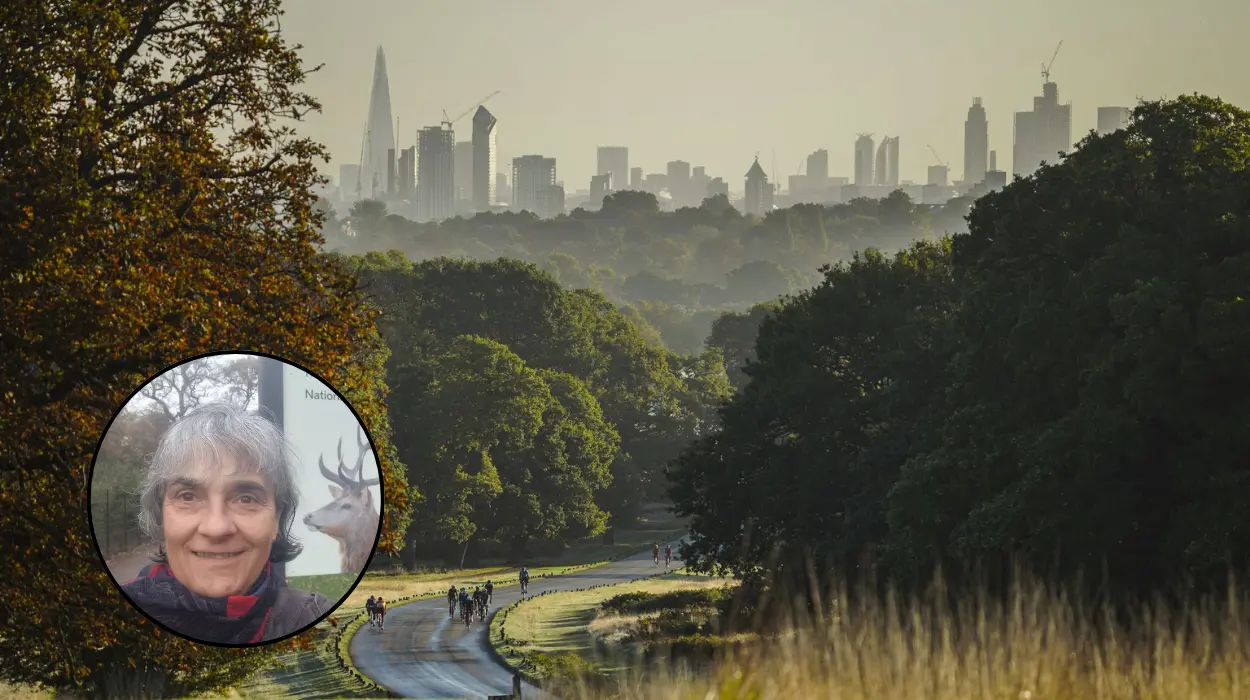
Caroline Shah described Richmond Park as one of the rarest and most beautiful habitats in London and England. She highlighted its extensive grasslands and large areas of ancient woodland, featuring 700-year-old trees, making it a uniquely valuable natural sanctuary.