Key Points
- The West London Orbital (WLO) is a proposed £700 million extension to the London Overground network, utilising existing underused rail lines to connect Hounslow in west London to Hendon and West Hampstead in the northwest, bypassing central London hubs.
- Transport for London (TfL) aims for passenger services to begin in the early 2030s if funding is secured, with recent feasibility studies confirming viable engineering solutions.
- Sadiq Khan, Mayor of London, allocated £400,000 in the 2026/27 draft budget via the Old Oak and Park Royal Development Corporation (OPDC) to progress the business case, design new stations, and track upgrades.
- The project requires significant government funding or borrowing permission, as TfL lacks resources; total costs estimated between £430 million and £610 million in 2021 TfL figures.contractsfinder.service+1
- Borough representatives from the West London Alliance, including Brent and Ealing, hail the funding as a “huge step forward” and “exciting step,” predicting £300 million in economic growth, thousands of jobs, and new homes in the first decade.
- Critics, led by Conservative transport spokesman Thomas Turrell (also spelled Turell in some reports), argue there is “no real progress,” calling it a “reheated announcement” to “gaslight” Londoners, insisting on government funding or TfL credit permission.
- Route details include new stations at Harlesden, Neasden, Lionel Road (near Gunnersbury), and potential stops at Old Oak (Victoria Road), linking to HS2, Elizabeth line, and Thameslink; challenges involve resignalling Dudding Hill line, level crossings at Bollo Lane, and freight compatibility.democracy.
- In development for nearly a decade, supported by Mayor’s Transport Strategy (2018), with ongoing work by TfL, Network Rail, and West London boroughs on timetable, design, and funding options like developer contributions.
- Labour figures like Bassam Mahfouz (Ealing and Hillingdon) and Krupesh Hirani (budget spokesperson) emphasise potential for construction in 2027 and better connectivity for residents in Hounslow, Harlesden, Neasden, and Hendon.
- The WLO forms part of three “big ticket” projects alongside DLR to Thamesmead (government-authorised) and Bakerloo extension, amid TfL’s funding constraints.
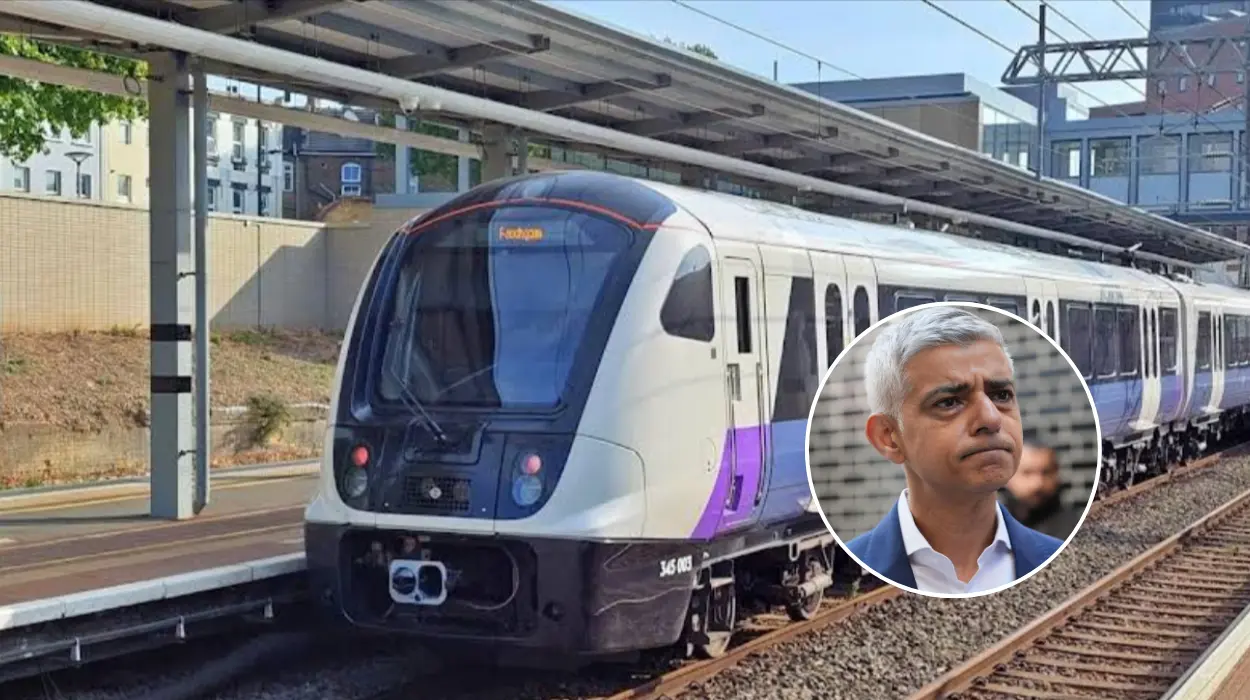
West London, January 20, 2026 – Excitement builds around the West London Orbital (WLO), a £700 million proposed London Overground line set to revolutionise travel in west and northwest London by linking underused rail tracks from Hounslow to Hendon and West Hampstead without central changes. Sadiq Khan’s recent £400,000 budget pledge marks “significant progress,” though government funding remains elusive, keeping the early 2030s timeline in doubt.
- Key Points
- What is the West London Orbital?
- When was the West London Orbital first proposed?
- What route will the new Overground line follow?
- What infrastructure changes are needed?
- How much will the West London Orbital cost?
- What recent funding has been committed?
- What does Sadiq Khan say about the project?
- What do supporters say?
- What are the criticisms of the West London Orbital?
- When can Londoners expect trains on the line?
- What economic benefits does it promise?
- What are the main obstacles remaining?
What is the West London Orbital?
The West London Orbital proposes a new Overground service on existing freight-heavy lines, creating an orbital route across outer London. TfL describes it as enhancing connections to Opportunity Areas like Old Oak/Park Royal, Burnt Oak/Colindale, Brent Cross/Cricklewood, Wembley, and the Great West Corridor.
As outlined in TfL’s official page, the scheme would run 4 trains per hour in Phase 1 from West Hampstead to Hounslow, calling at key stops, while accommodating freight via feasible timetabling. Wikipedia notes it revives elements of the historic Super Outer Circle, improving links to Thameslink, Jubilee, Bakerloo, HS2, and Elizabeth lines.
When was the West London Orbital first proposed?
Conceived nearly a decade ago, the WLO gained traction in the 2018 Mayor’s Transport Strategy under Proposal 88. The West London Alliance incorporated it into Local Plans, with TfL’s 2019 business case confirming its strength.
In March 2023, Sadiq Khan reported Network Rail’s timetable assessment nearing completion, eyeing a 2024 decision. By December 2024, BBC coverage highlighted Khan affirming “viable solutions” for all elements post-feasibility.
What route will the new Overground line follow?
Starting in Hounslow, the line follows South Western Railway tracks through Isleworth, Syon Lane, and Brentford to a new Lionel Road station near Gunnersbury Park, then Kew Bridge potentially.
It proceeds via South Acton to Acton Central, Old Oak Common (HS2 link), Harlesden, Neasden, then splits: one branch to Hendon via Brent Cross West, another to West Hampstead via Cricklewood, using the 1858 Dudding Hill freight line for up to 6 trains per hour.
What infrastructure changes are needed?
New platforms at Cricklewood, West Hampstead, Brent Cross; new stations at Harlesden, Neasden, Old Oak Victoria Road. Resignalling Dudding Hill and Acton-Kew lines essential, alongside four-tracking Acton Wells and resolving Bollo Lane level crossings—deemed the biggest hurdles.democracy.
How much will the West London Orbital cost?
TfL’s 2021 estimate pegged costs at £430-610 million, rounded to £700 million in recent reports. A 2019 Grant Thornton and Mott MacDonald study explored funding beyond TfL, given its 2030s constraints.contractsfinder.
Full delivery demands local, national government, TfL, and GLA contributions; boroughs may fund next-phase majority with TfL staff time.
What recent funding has been committed?
In the 2026/27 draft budget announced January 2026, Sadiq Khan pledged £400,000 via OPDC for business case advancement, design, and evidence-building for partners.
As reported by the Chiswick Calendar, this ringfences funds to progress stations and infrastructure, potentially starting construction in 2027 subject to approval. The Evening Standard detailed OPDC’s contribution alongside partners.
What does Sadiq Khan say about the project?
Sadiq Khan stated, “I am delighted that we are moving forward with our plans for the West London Orbital that will improve public transport and deliver economic growth,” per westlondon.com and Chiswick Calendar reports.
In a London Assembly response, Khan noted the development stage nears completion with viable solutions, prioritising it in transport enhancements.
What do supporters say?
Representatives welcomed it as a “huge step forward.” Bassam Mahfouz, Labour member for Ealing and Hillingdon, told the Evening Standard:
“This isn’t some distant pipe dream. This funding could mean construction starting as early as next year, with trains running in the early 2030s.”
Krupesh Hirani, Labour budget spokesperson, added:
“This is an exciting step forward towards delivering the West London Orbital. It has the potential to better connect residents and businesses in places like Hendon, Neasden, Harlesden and Hounslow together. This funding will unlock the next step of securing investment from the Government for the line, which my colleagues and I will be continuing to lobby for.”
Brent Labour Party posted on Facebook:
“We’re one step closer to a new overground line for West London The Mayor has committed new funding for the West London Orbital.”
Cllr Shama Tatler, Brent Deputy Leader, affirmed borough support in 2023.ealing.
What are the criticisms of the West London Orbital?
Thomas Turrell (or Turell), Conservative transport spokesman at City Hall, told Metro: “The West London Orbital line needs either government funding, or permission from the government to add it to TfL’s credit card.”
The Evening Standard reported Turrell accusing Khan of “gaslight[ing]” Londoners with a “reheated announcement” to feign action, amid no full funding commitment.
When can Londoners expect trains on the line?
TfL targets early 2030s if funded and approved, with next phase (spring 2025-2026) informing a late-2020s Transport & Works Act Order.
The £400,000 advances this, but hinges on government buy-in; Metro noted TfL’s hopefulness despite obstacles.
What economic benefits does it promise?
City Hall projects £300 million growth in first 10 years, thousands of jobs and homes in Hounslow, Harlesden, Hendon; unlocks housing and reduces central station pressure like King’s Cross and Paddington.
Westlondon.com cited OPDC’s analysis for £300 million impact.
What are the main obstacles remaining?
Primary hurdles: government funding refusal; TfL’s finances delay to 2030s. Engineering challenges like freight integration, level crossings, and land for expansions addressed as feasible, per studies.