

Key Points
- Tide Developments has secured planning permission for a 23-storey purpose-built student accommodation (PBSA) building in Southall, West London.
- The development will provide 424 new student beds with private ensuite facilities and modern amenities.
- The project is the UK’s first volumetric construction scheme to receive Gateway 2 approval, allowing immediate commencement of construction.
- The building will be car-free and provide 329 cycle parking spaces, focusing on sustainability and energy efficiency.
- The development, designed by Formation Architects, includes communal indoor and outdoor amenity spaces to promote student well-being.
- The site is currently occupied by vacant commercial buildings, demolition of which is due to begin shortly.
- Completion is targeted for the start of the 2026 academic year.
- The scheme leverages Tide and Vision Volumetric’s advanced off-site volumetric construction technology, which can cut construction times by up to 50%.
- The project is positioned as contributing positively to the regeneration of Southall and easing pressure on traditional housing in the area.
What is the significance of the planning approval for Tide’s Southall PBSA scheme?
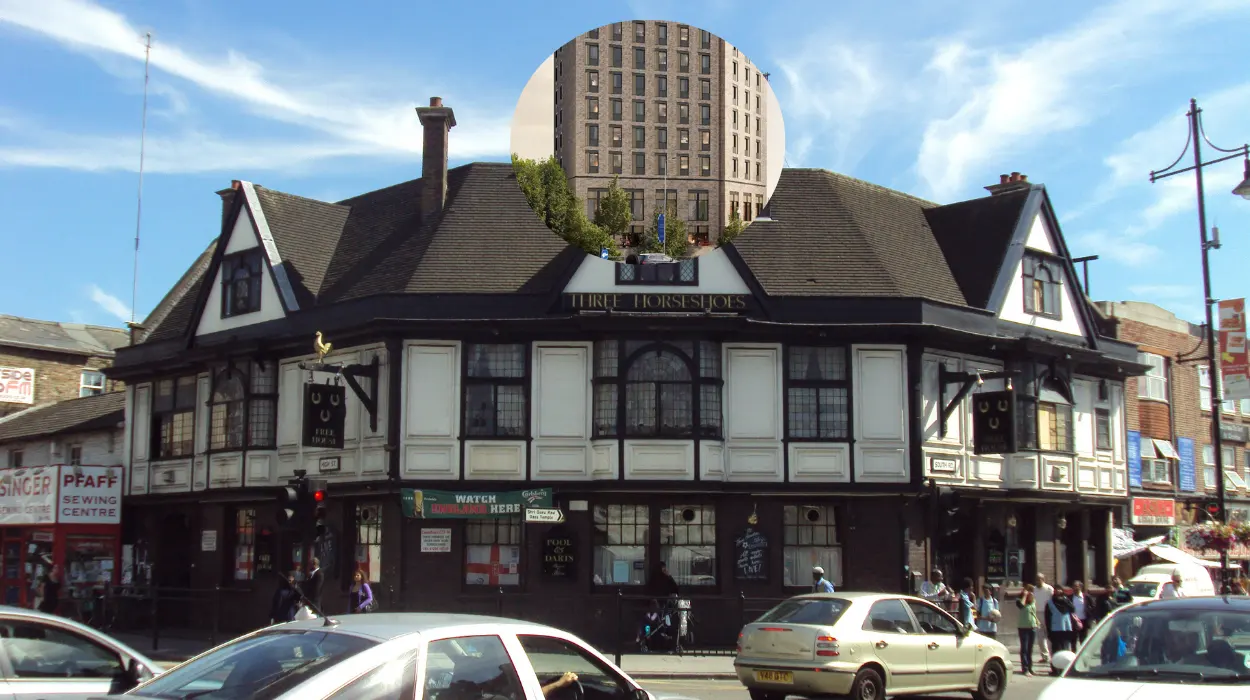
As reported by Estates Gazette, Tide Developments has cleared the regulatory path to build a new 23-storey PBSA development in ealing/southall/">Southall, West London. The planning permission, granted in January 2025 by Ealing Council’s Planning Committee, allows Tide to replace existing vacant commercial buildings with a high-density student accommodation tower offering 424 rooms.
This approval marks a milestone as the first volumetric construction in the UK to obtain Gateway 2 building safety approval. According to Christy Hayes, CEO of Tide and Vision Volumetric, securing Gateway 2 is “a landmark moment” that enables immediate work onsite and validates the innovative, integrated off-site manufacturing process used for the project.
How does the Tide PBSA scheme leverage volumetric construction technology?
The Green, as the project is named, will be delivered using Tide’s and sister company Vision Volumetric’s modular off-site volumetric technology. This method involves factory-built volumetric units, each undergoing six independent quality assurance checks before factory exit. Onsite build stages are digitally tracked with QR codes, maintaining a “golden thread” of traceability in line with Building Safety Regulator requirements.
This technology reduces the overall construction programme by up to 50% compared to traditional methods, allowing the project to be completed and ready for student occupancy by the 2026 academic year. Helen McManus, Head of Planning for Tide Construction, highlighted that this approach also helps reduce carbon emissions and minimise disruption to the local community.
What are the key design and sustainability features of the PBSA development?
Designed by Formation Architects, the PBSA scheme focuses on high-quality, energy-efficient living environments tailored for students. Each student room will include a private ensuite bathroom with shower and toilet, kitchenette, study desk with IT and high-speed broadband connectivity, wardrobe, and storage space. Occupation is limited to single students to ensure privacy.
Beyond individual rooms, communal amenity spaces will be provided across several levels, including both indoor and outdoor areas to support student interaction and wellbeing. The development is designed to be car-free, promoting sustainable transport with 329 cycle parking spaces.
Helen McManus further emphasized that the Southall location offers excellent transport links, being just two minutes from Southall station, 15 minutes from Heathrow Airport, and 30 minutes from Bond Street in central London. This situates the development strategically within the area’s ongoing regeneration efforts.
What is the broader impact of the Tide PBSA on Southall and local housing?
According to Tide Construction, constructing this PBSA will help free up traditional housing currently occupied by students in Southall, addressing housing pressures in the area. The project also supports the regeneration of this west London district by replacing underutilised commercial properties with a purpose-built, modern student community.
Urban Living News noted that the site, approximately 0.13 hectares, consists of two poor-condition vacant commercial buildings fronting The Green and a small office with rear access via Hortus Road. Demolition is expected to begin by April 2025 to clear the way for construction.
What are the next steps and expectations for the project timeline?
With Gateway 2 approval secured—in part due to robust collaboration with the Building Safety Regulator—Tide and Vision are optimistic about navigating the next stage, Gateway 3, which requires comprehensive documentation of every build stage for ongoing safety assurance.
Construction is set to begin immediately following the approval, with the target to complete the new PBSA for the start of the 2026 academic year. This rapid timeline is achievable thanks to the off-site volumetric construction technique and integrated project teams.
