

Key Points
- A new £700 million addition to the London Overground network, called the West London Orbital (WLO), is proposed to connect Hounslow in West London to Hendon and West Hampstead in North London.
- Transport for London (TfL) hopes the WLO will receive government approval and funding in the autumn budget.
- The line would be the seventh branch of the London Overground network, built on a disused freight rail line unused for passenger services since 1902.
- A new station is planned at Lionel Road near Gunnersbury Park.
- London Mayor, Sadiq Khan, confirmed that the line would be given a unique name reflecting local communities, culture, history, and aiding navigation.
- The project aims to improve transport links, support new homes and jobs, reduce congestion, and deliver significant economic value estimated around £1 billion.
- Construction is expected to begin in the early 2030s, with completion anticipated later in the decade, subject to funding and planning approvals.
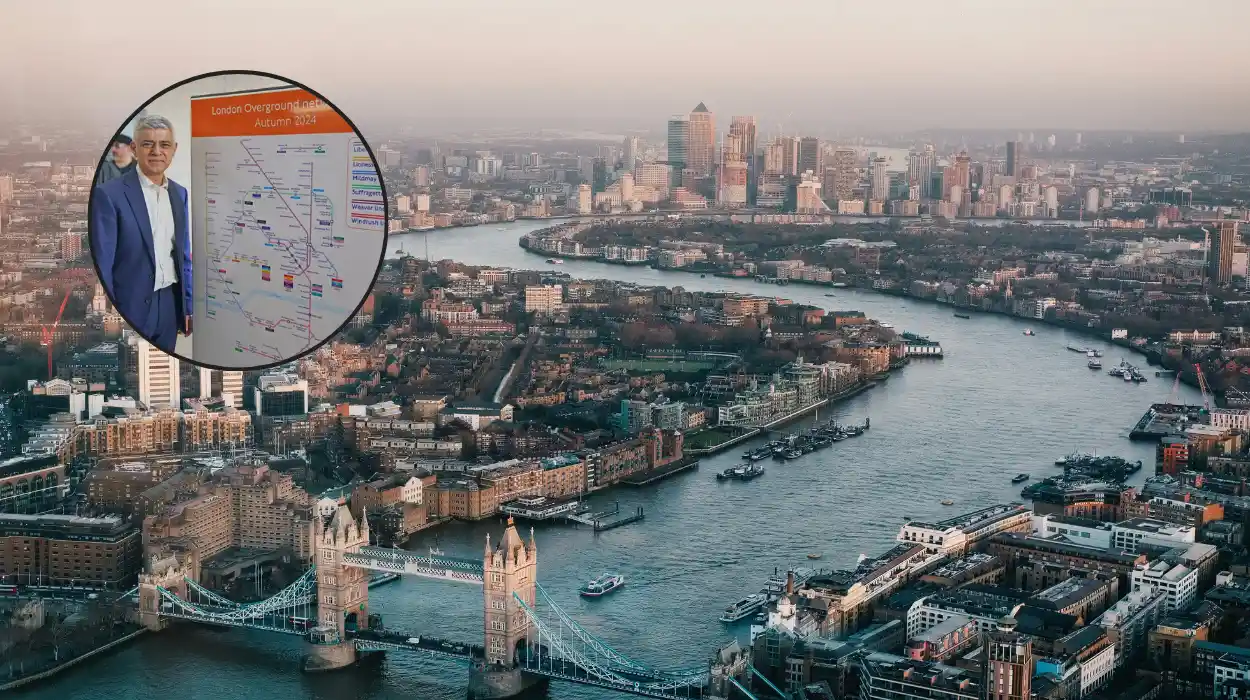
- The initiative continues the mayor’s 2024 rebranding of London Overground lines to highlight area heritage and diversity.
What Is the New West London Orbital Project?
As reported by The Sun on October 21, 2025, Transport for London is pushing forward a £700 million project known as the West London Orbital (WLO), which will create a new rail connection linking north and west London for the first time in over a century. The initiative was first proposed in 2017 and seeks to restore passenger services on a freight rail line inactive since 1902. The new line will run from Hounslow through Old Oak Common—a major new rail hub created for HS2—up to Hendon and West Hampstead. It aims to drastically cut journey times for commuters currently faced with multiple transfers.
How Will the WLO Benefit London?
According to Time Out’s coverage on October 20, 2025, the WLO’s introduction is expected to transform the transport landscape in west and northwest London. Mayor Sadiq Khan highlighted the project’s potential to revolutionise travel in the capital. The line promises to ease congestion, support the establishment of new homes and jobs, and improve connectivity by linking previously unserved or poorly served areas. TfL anticipates the economic impact of the WLO will reach around £1 billion, generating £300 million within the first decade of operation.
What Is the Timeline for Construction and Opening?
As clarified by London Evening Standard on October 18, 2025, and supported by statements from Sadiq Khan, the West London Orbital is projected to begin construction in the early 2030s, following successful funding negotiations and planning approvals. Khan stated in July 2025 that the WLO, alongside extensions to the DLR and Bakerloo lines, could debut later in the 2030s. The project is still at an early design and planning stage, with environmental impact assessments and public consultations due before any construction can commence.
What Are the Naming and Cultural Considerations for the New Line?
The naming of the line is a significant focus for Mayor Khan and Transport for London. As recalled in both The Sun and Time Out reports, Khan affirmed that the new WLO line would join the London Overground network with a unique name that respects the local cultural heritage and history. This aligns with his 2024 initiative to rebrand London Overground lines with names highlighting the areas they serve, aimed to improve community identity and assist passenger wayfinding. The new name will embrace the diverse communities along the route, ensuring the line serves as more than just transport infrastructure but as a reflection of London’s rich cultural tapestry.
What Are the Specific Features and Stations on the New Line?
The line will reutilise an old freight route, bringing modern passenger services back to West London. A key new addition is a station at Lionel Road near Gunnersbury Park, chosen to enhance accessibility and local connectivity. Beyond this, the line is expected to serve existing and potentially new stations along the route to further integrate with London’s expansive rail network. TfL envisions a frequency and service pattern consistent with the rest of the London Overground network, ensuring seamless travel experiences.
What Are the Financial and Governmental Support Expectations?
According to Secret LDN and The Sun, the financial outlay for the WLO has grown from earlier estimates between £430 million and £610 million to approximately £700 million, reflecting the scale and ambition of the scheme. TfL is actively seeking governmental backing in the upcoming autumn budget to realise the project. Funding approval is a critical milestone that will determine whether the line moves forward as planned. The projected economic benefits aim to justify this investment by delivering improved transport efficiency and boosting local economies.
How Does the WLO Fit Within London’s Transport Future?
The WLO will complement other major transport projects in London, including the Bakerloo line extension and DLR expansion. It forms part of a broader vision to enhance public transit capacity, reduce road congestion, and support sustainable urban growth. Sadiq Khan has emphasised that these projects collectively offer a transformative opportunity for London’s transport landscape in the coming decade. The WLO’s integration into the London Overground network cements its role as a vital piece of the capital’s transport puzzle.
