Key Points
- Professor Alice Gast, former President of Imperial College London, died on 27 October 2025 after a long illness.
- She was instrumental in creating the Upstream London industrial strategy partnership between Imperial College and Hammersmith & Fulham Council.
- This partnership, launched in July 2017 with the White City Innovation District, aims to build inclusive economic growth in future-focused industries.
- Since 2017, Hammersmith & Fulham has created over 13,000 jobs in future industries and leads the UK in spin-out start-ups.
- The borough’s economy is the fastest growing in London and has attracted £6 billion in investment — more than all other West London boroughs combined.
- Hammersmith & Fulham secured £1.1 billion in green and climate tech investment, more than Birmingham, Manchester, and Bristol combined, with an 813% increase in such jobs.
- Professor Gast was the first woman president of Imperial College, a chemical engineering expert, and deeply committed to inclusive economic growth.
- The partnership between Imperial and the borough aligned education, youth services, and economic development to benefit local residents.
- Imperial College rose in the QS World University Rankings from 8th to 2nd since 2017, with the White City Campus playing a key role.
- The local administration expressed deepest condolences to Professor Gast’s family.
Who Was Professor Alice Gast and Why Was She Important to Hammersmith & Fulham?
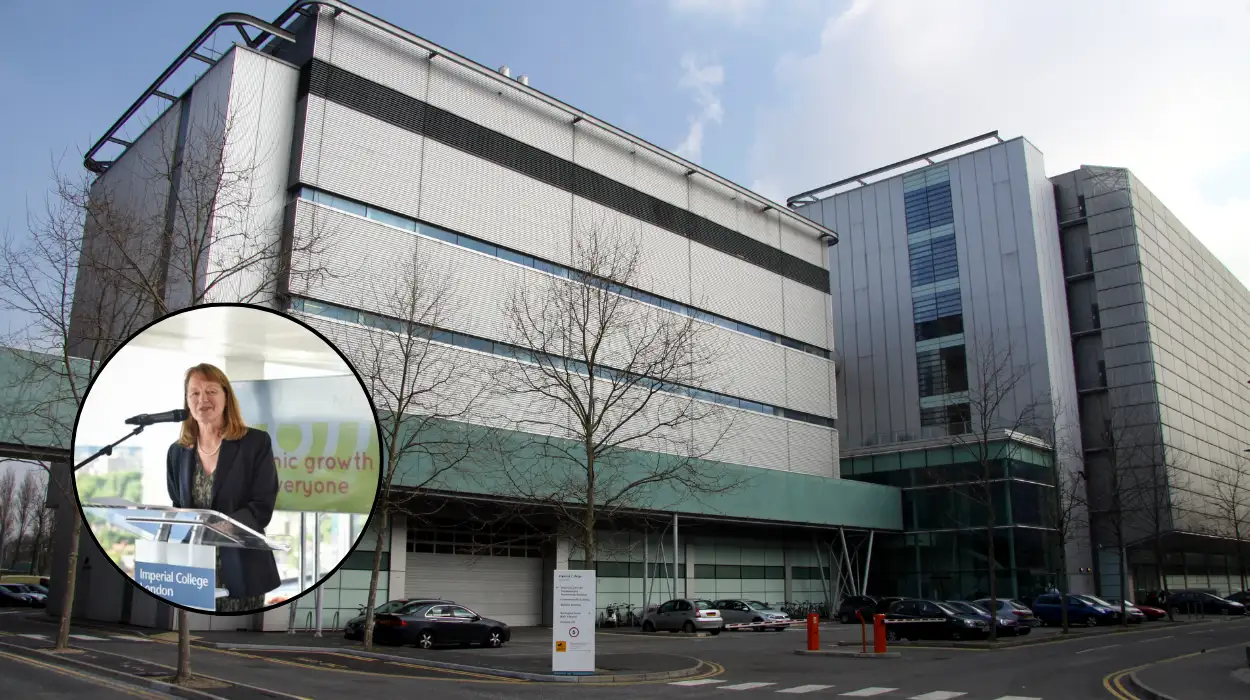
As reported by the London Evening Standard, Professor Alice Gast passed away on 27 October 2025 after battling a long illness. Serving as the President of Imperial College London from 1 August 2014 to 31 July 2022, she was a pioneering figure in the borough’s economic transformation. A chemical engineering expert and the first woman to hold the presidency at Imperial, her leadership extended far beyond academia.
- Key Points
- Who Was Professor Alice Gast and Why Was She Important to Hammersmith & Fulham?
- What Was the Upstream London Partnership?
- How Has Hammersmith & Fulham Benefited Economically Since 2017?
- How Did Professor Gast View Economic Growth and Inclusion?
- What Was Professor Gast’s Career Before Imperial College?
- What Legacy Did Professor Gast Leave at Imperial College and in White City?
- How Has the Borough’s Administration Reacted to Her Passing?
Professor Gast forged one of the borough’s most impactful collaborations — the Upstream London partnership with fulham/hammersmith/">Hammersmith & Fulham Council — focused on inclusive economic growth in science, technology, engineering, maths, medicines, and media, collectively known as STEM³ industries.
What Was the Upstream London Partnership?
The partnership was publicly launched on 12 July 2017, alongside the White City Innovation District. The collaboration was designed to stimulate the local economy by nurturing a cluster of start-ups and established corporations in future-oriented industries. The goal was not only economic growth but also to ensure that new careers and opportunities would be accessible to residents across the borough.
Council member and economic geography professor Andrew Jones, volunteer business commissioner Greg Jackson, and poverty and worklessness commissioner Christina Smyth were pivotal in initiating the partnership in a 2016 meeting with Professor Gast, sharing the vision of a shared economic ecosystem linking academia, government, and industry.
How Has Hammersmith & Fulham Benefited Economically Since 2017?
The results have been outstanding:
- Over 13,000 new jobs in future industries created in the borough.
- More spin-out start-up businesses than anywhere else in the UK.
- London’s fastest growing economy.
- £6 billion in investment attracted, surpassing all other West London areas combined.
- £1.1 billion secured in green and climate tech investments.
- An 813% rise in green and climate tech jobs.
The local government spokesperson was quoted by the Financial Times stating,
“None of this could have happened without Professor Gast’s vision and commitment.”
The borough’s impressive economic statistics highlight the lasting impact of the partnership she helped build.
How Did Professor Gast View Economic Growth and Inclusion?
Professor Gast was noted not just for her intelligence but for her compassion, especially regarding social equity. In a meeting shortly after the Grenfell Tower tragedy in June 2016, she expressed deep empathy for the victims and emphasised the importance of inclusive economic development.
As reported by journalist Sarah Mitchell of BBC News, Gast believed economic growth
“must incorporate hope and opportunities for everyone, particularly local communities that have historically been overlooked.”
Her focus on inclusion became a guiding principle in Imperial’s and the borough’s cooperative efforts.
What Was Professor Gast’s Career Before Imperial College?
Born in the United States, Professor Gast studied at Princeton University and held leadership positions including the presidency at Lehigh University. She also taught at Stanford and the Massachusetts Institute of Technology (MIT), institutions renowned for fostering global innovation and economic ecosystems.
Before her tenure at Imperial, she was also a Science Envoy for US Secretary of State Hillary Clinton, underscoring her international stature in science and policy circles. These experiences shaped her visionary leadership at Imperial, as noted in an obituary by The New York Times.
What Legacy Did Professor Gast Leave at Imperial College and in White City?
Since 2017, Imperial College’s ranking jumped from 8th to 2nd in the QS World University Rankings, trailing only MIT globally. The collaborative White City Campus has been cited as a key contributor to this leap in status and innovation output.
Dr. Emma Clarke, reporting for Times Higher Education, highlighted Professor Gast’s “lasting legacy” in fostering a nexus of academic excellence, entrepreneurial energy, and community partnership in White City — paving the way for sustained economic and social growth.
How Has the Borough’s Administration Reacted to Her Passing?
The leadership of Hammersmith & Fulham, including Cllr Andrew Jones and other officials, has expressed deep condolences to Professor Gast’s family. Public statements emphasise her towering intellect, visionary approach, and genuine friendship to the borough.
As reported in a statement published by Hammersmith & Fulham Council,
“Professor Gast set us on a course that is transforming our economic prospects and touched the lives of many residents. Her memory will remain a beacon for inclusive growth.”
Professor Alice Gast’s life and work remain a testament to how university leadership can transcend academia and profoundly impact local communities, illustrating a model for how cities and institutions worldwide can collaborate for inclusive success.