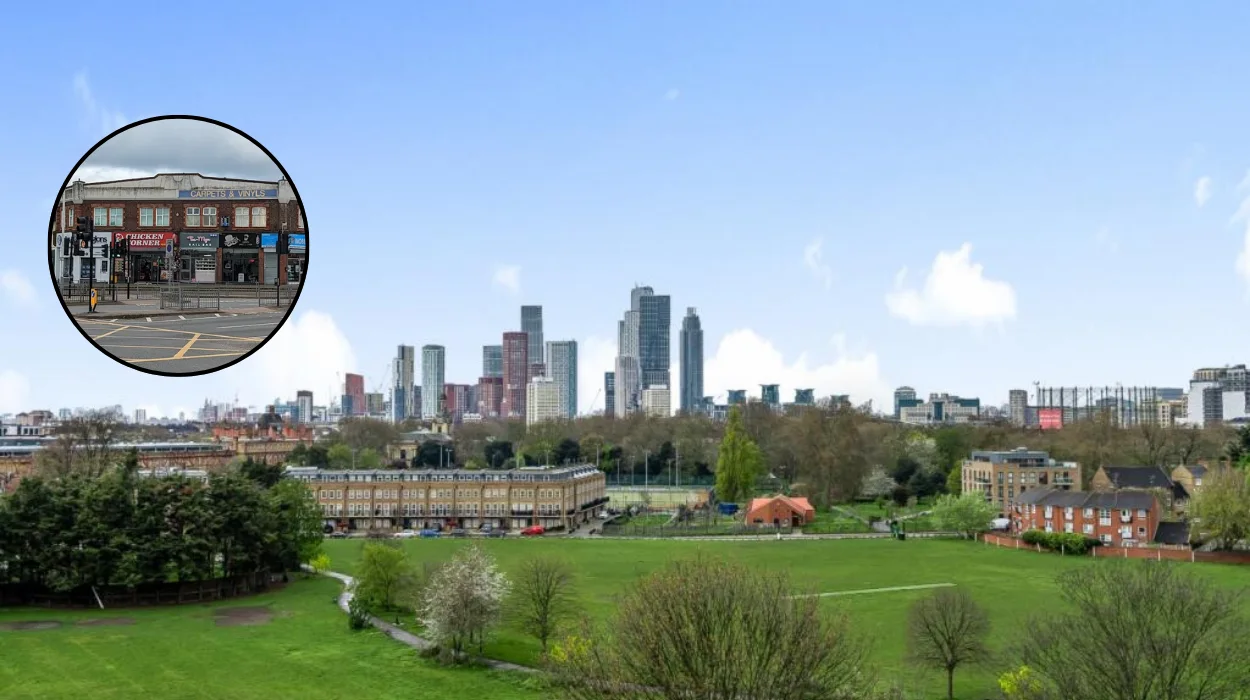
The London Borough of Hillingdon is the largest borough in West London by land area, covering approximately 45 square miles (117 km²) and holding the distinction as the second largest borough in all of Greater London. This borough is located on the westernmost edge of London, making it a unique gateway to the capital, largely due to its inclusion of Heathrow Airport, the busiest airport in the UK, and one of the key global aviation hubs.
Historical Background and Formation
Hillingdon was created in 1965 by merging several districts, including Hayes and Harlington, Ruislip-Northwood, Uxbridge, and Yiewsley and West Drayton. Historically part of Middlesex, it became fully integrated into Greater London during its expansion. Its development accelerated rapidly in the early 20th century, transitioning from a series of market towns and rural parishes into a vibrant suburban borough with a mix of residential, commercial, and industrial areas.
Geography and Demographics
Despite its extensive area, Hillingdon is one of the less densely populated boroughs in London. Its geography is distinguished by a combination of urban settlements and large expanses of green spaces, parks, and countryside, especially toward the north and west. The borough includes towns such as Hayes, Ruislip, Northwood, West Drayton, and Uxbridge — each adding to the borough’s distinct identity.
The borough’s population is diverse and well-served by various amenities including shopping centres, schools, and health services. The local economy benefits significantly from the presence of Heathrow Airport, which drives employment and commercial activity in the area.
Key Attractions and Amenities
Hillingdon offers numerous attractions ranging from historic sites to natural parks. The Manor Farm in Ruislip provides a window into the borough’s medieval history, featuring a Great Barn and a museum. The Battle of Britain Bunker near Uxbridge commemorates a pivotal site from World War II.
For outdoor enthusiasts, Hillingdon is home to over 200 green spaces, such as Ruislip Woods National Nature Reserve and Colne Valley Regional Park, offering habitats for wildlife and spaces for recreational activities like walking, cycling, and fishing.
In terms of amenities, the Intu Uxbridge shopping centre serves as a significant retail hub with over 70 shops and a multi-screen cinema. The borough also has a vibrant food scene, encompassing many international cuisines that reflect its multicultural population.
Importance of Heathrow Airport
Heathrow Airport is arguably Hillingdon’s most significant asset, markedly shaping the borough’s economy, infrastructure, and global connectivity. The airport provides thousands of jobs directly and indirectly and keeps Hillingdon at the forefront of London’s international gateway status. Despite the challenges related to noise and environmental concerns, Heathrow remains a crucial engine for local and national economic growth.
Education and Infrastructure
Hillingdon houses several education institutions of note, including Brunel University in Uxbridge, which offers a broad spectrum of higher education courses and contributes to the borough’s academic environment.
Transport infrastructure is robust, with excellent rail and bus links connecting the borough across West London and central London. The Elizabeth Line, Underground services, and proximity to major motorways make it an accessible borough for commuters.
Living in Hillingdon
Residential areas in Hillingdon provide a suburban lifestyle with family-friendly neighborhoods, good schools, and access to extensive green spaces. Property prices tend to be more affordable compared to inner London, attracting diverse demographics including families and professionals.
The London Borough of Hillingdon stands out as the largest borough in West London, offering a unique blend of urban conveniences, green spaces, historical richness, and key transport infrastructure led by Heathrow Airport. Its expansive land area, cultural diversity, and economic significance establish it as a pivotal borough within Greater London, delivering a balanced quality of life that appeals to residents and businesses alike.