Harlesden to Central London takes 17–25 minutes by Bakerloo Line tube, with direct bus 18 taking 25–30 minutes to Baker Street and Oxford Circus. Both options stay under 30 minutes for tourists visiting Westminster, Oxford Street, and major West End attractions.
- What is the fastest way to get from Harlesden to Central London?
- How long does the Bakerloo Line take from Harlesden to key Central London destinations?
- Which bus routes travel from Harlesden to Central London and how long do they take?
- What are the exact tube fares from Harlesden to Central London using Oyster or contactless?
- Which Central London attractions are closest to Bakerloo Line stations from Harlesden?
- How do I navigate Harlesden station and board the Bakerloo Line for Central London?
- What time should tourists avoid traveling from Harlesden to Central London for fastest journeys?
- Can tourists use the same ticket for both tube and bus travel from Harlesden to Central London?
- What are the exact Bakerloo Line stations between Harlesden and Central London?
- How reliable is the Bakerloo Line from Harlesden compared to other tube lines for tourists?
- What accessibility features exist at Harlesden station for tourists with mobility needs?
What is the fastest way to get from Harlesden to Central London?
The Bakerloo Line tube is fastest at 17–25 minutes to Central London stations like Paddington (17 min), Oxford Circus (25 min), and Waterloo (32 min). Direct trains run every 5 minutes from Harlesden station.
Harlesden station sits in Travelcard Zone 3 on the Bakerloo Line, providing direct southbound service to Central London without transfers. The journey to Paddington Underground Station takes approximately 17 minutes, making it the quickest route to Heathrow-connected transport hubs. Oxford Circus, the heart of London’s shopping district, takes 25 minutes with 12 stops between Harlesden and Oxford Circus.
London Overground services also operate from Harlesden on the Lioness Line, but these require transfers for Central London access. The Bakerloo Line remains the primary direct route, with 74 trains per day running between Harlesden and London stations. Peak travel times (7–9 AM, 4–7 PM) see trains every 4 minutes on the Queen’s Park to Elephant & Castle section.
How long does the Bakerloo Line take from Harlesden to key Central London destinations?
Bakerloo Line journey times from Harlesden: Paddington 17 minutes, Edgware Road 19 minutes, Oxford Circus 25 minutes, Piccadilly Circus 27 minutes, Charing Cross 28 minutes, Waterloo 32 minutes. All routes run direct with no transfers needed.
Paddington Underground Station connects to Circle, District, fulham/hammersmith/">Hammersmith & City lines, Elizabeth line, and National Rail services for Heathrow Airport access. The 17-minute journey covers 5 stations: Harlesden → brent/willesden/">Willesden Junction → Kensal Green → Queen’s Park → Kilburn Park → Maida Vale → Warwick Avenue → Paddington.
Edgware Road (Bakerloo) station takes 19 minutes and connects to Circle and District lines. Marylebone station, serving National Rail services to Midlands/North England, takes 21 minutes. Baker Street station, the Bakerloo Line’s original 1906 terminus with connections to Circle, Hammersmith & City, Jubilee, and Metropolitan lines, takes 23 minutes.
Oxford Circus sits at the intersection of Central and Victoria lines in London’s premier shopping district on Oxford Street. The 25-minute journey serves 12 stops. Piccadilly Circus, connecting to Piccadilly Line for Hyde Park Corner and Kensington, takes 27 minutes. Charing Cross (formerly Trafalgar Square), with Northern Line and National Rail connections to Southeast England, takes 28 minutes with 14 stops.
Waterloo station, connecting Jubilee, Northern, Waterloo & City lines and National Rail services, takes 32 minutes with 16 stops. Evening travel sees reduced frequency after 11 PM, with the last train departing Harlesden at 23:02.
Which bus routes travel from Harlesden to Central London and how long do they take?
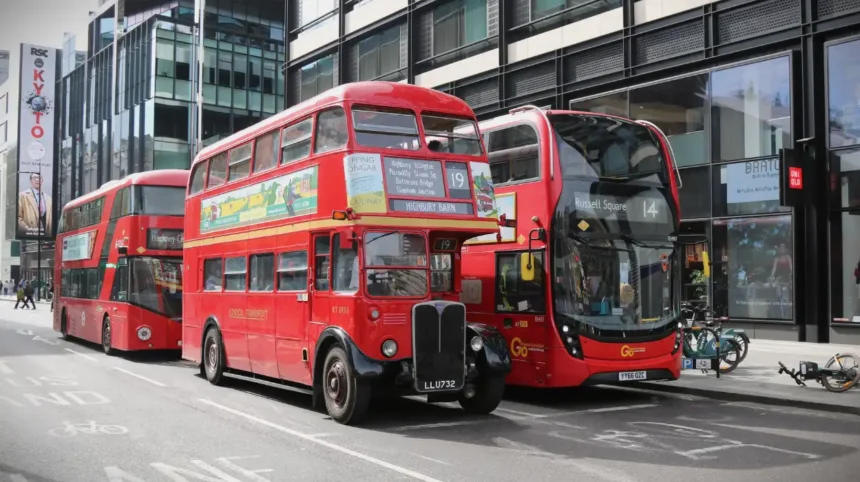
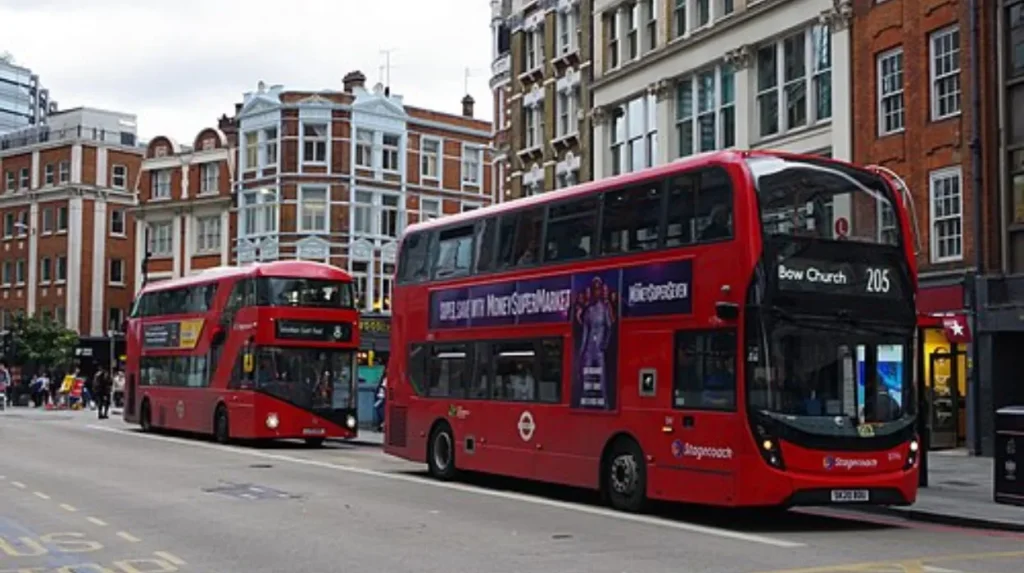
Bus 18 runs direct from Harlesden to Baker Street (25 minutes), Oxford Circus (28 minutes), and Piccadilly Circus (30 minutes). Bus N18 provides overnight service. Both buses cost £1.75 with Oyster/contactless and take 25–30 minutes to Central London.
Bus 18 operates by First Bus London, running from Sudbury & Harrow Road Station through Wembley Central, Stonebridge, Harlesden, Kensal Green, Harrow Road, Edgware Road Station, Baker Street Station, Great Portland Street Station, Oxford Circus, Regent Street, and Piccadilly Circus to Trafalgar Square. The route covers 18 stops between Harlesden and Baker Street.
Bus 18 runs every 5–10 minutes Monday–Friday from 05:42 to 00:40, Saturday from 05:42 to 00:40, and Sunday from 06:52 to 00:40. Night bus N18 operates overnight from Harrow Weald Bus Garage through Wealdstone, Wembley, Baker Street Station, and Trafalgar Square.
Bus travel takes longer than tube due to road traffic, especially during peak hours (7–9 AM, 4–7 PM). The 25-minute Baker Street estimate assumes off-peak conditions. Oxford Circus takes 28 minutes, and Piccadilly Circus takes 30 minutes. Buses accept Oyster cards, contactless payment, and Visitor Oyster cards for tourists.
The £1.75 single bus fare applies across all London buses, with a £5.25 daily cap and £6.00 1-day travelcard option. Bus 18 provides surface-level sightseeing opportunities along London’s West End, passing Regent Street and Piccadilly Circus.
What are the exact tube fares from Harlesden to Central London using Oyster or contactless?
Harlesden to Central London (Zone 1) costs £3.30 off-peak and £3.30 peak by Oyster/contactless for Zones 1–3 travel. The daily cap is £7.70 for Zones 1–3. Cash single fares cost £4.90.
Harlesden station sits in Zone 3, and Central London destinations like Paddington, Oxford Circus, and Waterloo fall in Zone 1. This creates a Zones 1–3 journey covering 6 miles (10 km). The 2025 Oyster/contactless fare for Zones 1–3 is £3.30 for both peak and off-peak travel.
Peak times run 7–9 AM and 4–7 PM Monday–Friday. Off-peak includes all weekend travel, late evening (after 9 PM), and daytime Monday–Friday outside peak hours. Despite Zone 3’s location, Bakerloo Line fares to Zone 1 maintain consistent pricing regardless of time.
Daily price caps limit unlimited travel: £7.70 for Zones 1–3 (peak/off-peak), £38.70 weekly (Monday–Sunday contactless only). Weekday travelcards cost £12.30 Anytime or Off-Peak. Bus fares remain cheaper at £1.75 single with £5.25 daily cap.
Visitor Oyster cards work on Tube, Elizabeth line, Heathrow Express, and Gatwick Express, available for purchase before arriving in London. Contactless payment cards from overseas work without conversion fees, with automatic best-fare calculation and daily capping.
Cash tickets cost £4.90 for single Zone 1–3 journeys, making Oyster/contactless £1.60 cheaper. Tourists should avoid cash tickets unless lacking Oyster/contactless payment methods.
Which Central London attractions are closest to Bakerloo Line stations from Harlesden?
Paddington station: Heathrow Airport access, Great Western Railway. Oxford Circus: Oxford Street shopping (300+ stores), BBC Broadcasting House, Fortnum & Mason. Piccadilly Circus: Piccadilly Lights, Royal Arcade, Hoefer Gallery. Charing Cross: Trafalgar Square, National Gallery, Nelson’s Column. Waterloo: London Eye, Southbank Centre, HMS Belfast.
Oxford Circus serves London’s premier shopping district with Oxford Street containing over 300 stores including Selfridges, John Lewis, and H&M. BBC Broadcasting House sits between Oxford Circus and Regent’s Park. Fortnum & Mason, the Queen’s official tea merchant, stands near Piccadilly Circus.
Piccadilly Circus features the iconic Piccadilly Lights advertising display, Royal Arcade shopping passage, and Hoefer Gallery art space. The site connects to Piccadilly Line for Hyde Park Corner and Kensington Road access.
Charing Cross station overlooks Trafalgar Square with the National Gallery (free art museum), Nelson’s Column (169-foot monument), and Commonwealth War Graves memorial. The Northern Line connects to Camden Town and London Fields.
Waterloo station provides direct access to London Eye (River Thames observation wheel), Southbank Centre (music/performance venue), and HMS Belfast (WWII warship museum). The Jubilee Line connects to Westminster Parliament and Buckingham Palace.
Paddington connects to Heathrow Express (15 minutes to Heathrow), Elizabeth line (direct to Canary Wharf/Shoreditch), and Circle/District lines for Kensington and Tower of London.
How do I navigate Harlesden station and board the Bakerloo Line for Central London?
Harlesden station is on Acton Lane, NW10 7AA, in Zone 3. Enter through the main entrance, follow signs for Bakerloo Line southbound (toward Elephant & Castle), and board trains displaying Elephant & Castle or Harrow & Wealdstone destinations. Trains run every 5 minutes.
Harlesden serves both Bakerloo Line (London Underground) and Lioness Line (London Overground), with the Bakerloo Line providing direct Central London access. The station address is Acton Lane, London NW10 7AA.
Southbound Bakerloo Line trains travel toward Elephant & Castle in south London. Platform signs display “Bakerloo” with brown color coding on the Tube map. Train destinations show either “Elephant & Castle” (full service) or “Harrow & Wealdstone” (northbound). Board southbound trains only.
Trains depart every 5 minutes during daytime, with 20 tph (trains per hour) during weekday peak and Saturday all-day service on the Queen’s Park to Elephant & Castle section. Off-peak weekday and Sunday service runs 4 tph between Harrow & Wealdstone and Elephant & Castle.
Oyster/contactless payment requires tapping yellow card readers at entry and exit. Bus 18 stops at Harlesden Station bus stop with live arrival信息显示. Station facilities include accessibility information, timetables, and route details available via TfL.
What time should tourists avoid traveling from Harlesden to Central London for fastest journeys?
Avoid peak hours: 7–9 AM and 4–7 PM Monday–Friday. During peak times, Bakerloo Line runs every 4 minutes but road congestion slows Bus 18 to 35–40 minutes. Off-peak travel (9 AM–4 PM, 7 PM–midnight, weekends) offers 5-minute tube frequency and 25-minute bus times.
Weekday peak service sees 20 tph (every 4 minutes) on the Queen’s Park to Elephant & Castle section, but crowding increases boarding times. Bus 18 faces significant delays during rush hours due to West End traffic congestion, extending journeys to 35–40 minutes versus off-peak 25–30 minutes.
Morning peak (7–9 AM) includes commuter traffic from northwest London suburbs. Evening peak (4–7 PM) combines commuter return traffic with tourist activity. Weekend travel offers consistent off-peak frequency with 4 tph service and reliable bus times.
Late evening travel (after 11 PM) sees reduced tube frequency. The last Bakerloo Line train from Harlesden departs at 23:02, with service intervals extending to 10–15 minutes. Night bus N18 provides overnight coverage from Harrow Weald through Wembley to Trafalgar Square.
Sunday travel offers the most relaxed conditions with consistent 4 tph service and minimal road congestion. Early morning (before 7 AM) and late evening (after 8 PM) weekday travel also provides off-peak benefits.
Can tourists use the same ticket for both tube and bus travel from Harlesden to Central London?
Yes, Oyster and contactless payment work on both Bakerloo Line tube and Bus 18 with automatic fare capping. Single tube fare is £3.30 (Zones 1–3), single bus fare is £1.75. Daily caps: £7.70 for Zones 1–3 tube, £5.25 for buses only.
Oyster cards and contactless payment cards function across all Transport for London (TfL) services: Tube, London Overground, DLR, buses, Elizabeth line, Heathrow Express, and Gatwick Express. No separate tickets needed for combined tube/bus journeys.
Fare capping automatically calculates best daily rates. Tube Zones 1–3 daily cap is £7.70 (peak/off-peak), bus daily cap is £5.25, weekly contactless cap is £38.70 for Zones 1–3. If you make multiple journeys, the system charges only up to the cap.
Visitor Oyster cards purchased before arriving work identically to standard Oyster cards. Overseas contactless cards (Visa, Mastercard, Amex) work without conversion fees, with automatic best-fare calculation.
Bus-only travel saves £1.55 per journey (£1.75 vs £3.30). Tourists making 3+ tube journeys daily benefit from the £7.70 cap. Mixed tube/bus travelers receive separate caps for each mode.
Cash tickets exist but cost £4.90 for Zone 1–3 singles, making Oyster/contactless £1.60 cheaper. Tourists should obtain Oyster or use contactless payment before traveling.
What are the exact Bakerloo Line stations between Harlesden and Central London?
Southbound Bakerloo Line stations from Harlesden: Harlesden → Willesden Junction → Kensal Green → Queen’s Park → Kilburn Park → Maida Vale → Warwick Avenue → Paddington → Edgware Road → Marylebone → Baker Street → Regent’s Park → Oxford Circus → Piccadilly Circus → Charing Cross → Embankment → Waterloo → Lambeth North → Elephant & Castle. Total: 18 stations to Elephant & Castle.
The Bakerloo Line runs 23.2 km (14.4 miles) with 25 stations total, 15 underground and 10 surface. From Harlesden (opened 16 April 1917), southbound trains pass 18 stations to Elephant & Castle (opened 5 August 1906).
Key Central London stations include Paddington (1 December 1913, connects Circle/District/Hammersmith & City/Elizabeth/National Rail), Edgware Road (15 June 1907), Marylebone (27 March 1907, connects National Rail), Baker Street (10 March 1906, connects Circle/Hammersmith & City/Jubilee/Metropolitan), Regent’s Park (10 March 1906), Oxford Circus (10 March 1906, connects Central/Victoria), Piccadilly Circus (10 March 1906, connects Piccadilly), Charing Cross (10 March 1906, connects Northern/National Rail), Embankment (10 March 1906, connects Circle/District/Northern), and Waterloo (10 March 1906, connects Jubilee/Northern/Waterloo & City/National Rail).
Surface stations north of Queen’s Park share tracks with Lioness Line (London Overground) parallel to West Coast Main Line. Deep-level tube tunnels run from Queen’s Park southward with Art Nouveau tiling by Leslie Green at underground stations.
The line operates 1972 Stock trains (53 years old), the oldest electric multiple units in regular British passenger service. February 2026 TfL plans to replace the fleet by 2030.
How reliable is the Bakerloo Line from Harlesden compared to other tube lines for tourists?
Bakerloo Line reliability is solid with 125.662 million annual passengers (ninth-busiest London Underground line). Trains run every 4–5 minutes daytime. Main limitation: oldest rolling stock (1972 Stock) until 2030 replacement. No major current disruptions reported.
The Bakerloo Line carries over 125 million passengers annually, ranking ninth in network busyness. Service frequency reaches 20 tph (every 4 minutes) during weekday peak and Saturday all-day on the Queen’s Park to Elephant & Castle section. Off-peak weekday and Sunday service maintains 4 tph (every 15 minutes) between Harrow & Wealdstone and Elephant & Castle.
The 1972 Stock trains remain the oldest non-heritage trains in the UK at 53 years old, with replacement potentially delayed to late 2030s/early 2040s due to funding constraints. February 2026 TfL announced plans to replace the entire fleet by 2030.
Recent disruptions include a 2017 fire at Oxford Circus station causing smoke inhalation treatments. No major current service interruptions affect Harlesden to Central London travel.
Compared to Victoria Line (fully automated, highest frequency) or Jubilee Line (modern fleet), Bakerloo offers adequate reliability with slightly older equipment. For tourists, the direct Harlesden service without transfers outweighs fleet age concerns.
What accessibility features exist at Harlesden station for tourists with mobility needs?
Harlesden station provides accessibility information via TfL, including platform stairs, lifts, and escalators details. The Bakerloo Line uses deep-level tube tunnels with standard London Underground accessibility. Contact TfL for specific mobility assistance requirements.
TfL provides comprehensive accessibility information for Harlesden Rail Station including platform stairs, lifts, escalators, and facility details. Station address: Acton Lane, London NW10 7AA.
The Bakerloo Line operates deep-level tube trains with smaller diameter tunnels, resulting in narrower carriages than surface lines. All 1972 Stock trains feature longitudinal and transverse seating layouts with some cars having longitudinal seating only.
London Underground accessibility includes step-free access at many stations, but deep-level tube lines sometimes require stairs. Harlesden-specific lift/stair details available via TfL station information. Tourists with mobility needs should check TfL accessibility maps before travel.
Visitor Oyster cards and contactless payment work without requiring physical ticket collection, reducing mobility barriers. TfL offers assistance services for passengers requiring wheelchair access or mobility support—contact ahead for安排.
Bus 18 provides flat-floor boarding at Harlesden Station bus stop, often easier than tube stairs for mobility-impaired tourists.
What is the fastest way to get from Harlesden to Central London?
The fastest way to travel from Harlesden to Central London is via the Bakerloo Line. Direct trains connect Harlesden to major Central London stations such as Paddington, Oxford Circus, Piccadilly Circus, and Waterloo without requiring transfers.