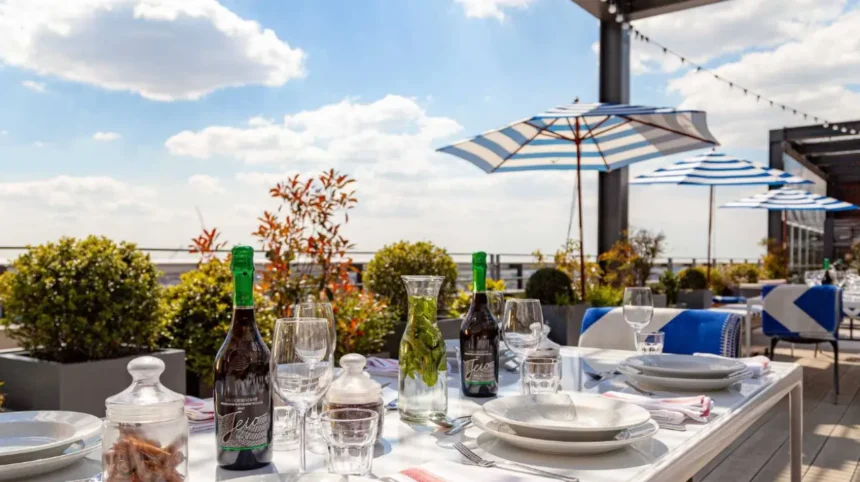
West London has a strong rooftop-bar scene built around skyline views, summer drinks, dining terraces, and elevated social spaces in neighbourhoods such as Paddington, fulham/white-city/">White City, Chelsea, Kensington, Hammersmith, and hounslow/chiswick/">Chiswick. Recent guides consistently place the area among London’s most active rooftop destinations, with venues ranging from casual garden-style rooftops to premium private-club terraces.
- What are rooftop bars in West London?
- Why is West London known for rooftop bars?
- Which West London areas have the most rooftop bars?
- What makes a good rooftop bar in West London?
- How do West London rooftop bars differ from Central London ones?
- Which rooftop bars in West London are well known?
- What is the history of rooftop hospitality in West London?
- What food and drink do West London rooftop bars serve?
- What are the main uses of rooftop bars in West London?
- How do rooftop bars affect West London nightlife?
- What should visitors know before going?
- Why do rooftop bars matter for search and local discovery?
- What is the future of rooftop bars in West London?
What are rooftop bars in West London?
Rooftop bars in West London are licensed hospitality venues located above street level that serve drinks, food, and social events with open-air or semi-open views across the city. They include hotel rooftops, restaurant terraces, private members’ spaces, and standalone bars. Their main appeal comes from elevation, atmosphere, and access to West London’s mix of residential, business, and entertainment districts.
These venues are not one single category. Some operate as full dining destinations, while others focus on cocktails, DJ nights, or sunset drinks. West London rooftop bars often sit near transport hubs and landmark areas, which makes them useful for after-work gatherings, date nights, weekend socials, and private events.
Why is West London known for rooftop bars?
West London is known for rooftop bars because it combines affluent neighbourhoods, major redevelopment zones, cultural venues, and open views that support premium outdoor hospitality. Areas such as Kensington, Chelsea, White City, and Paddington attract both residents and visitors, while venues near theatres, cinemas, and shopping streets gain consistent footfall.
The district mix matters. White City brings a modern commercial setting, Kensington brings premium leisure demand, Chelsea brings luxury hospitality, and Hammersmith brings a more relaxed local crowd. This spread creates a rooftop market that serves different budgets, occasions, and customer groups within one part of London.
Which West London areas have the most rooftop bars?
The strongest rooftop clusters in West London are Paddington, White City, Kensington, Chelsea, Hammersmith, Chiswick, and parts of South Kensington. These neighbourhoods appear repeatedly in current rooftop listings and venue roundups because they combine density, visibility, and demand for outdoor dining and drinking.
Paddington stands out for skyline-facing summer spaces. White City has grown through major regeneration and new hospitality concepts. Kensington and Chelsea are associated with more polished, upscale rooftops. Hammersmith and Chiswick offer a more local, low-key feel, while South Kensington links rooftop dining with museums, hotels, and high-spending visitors.
What makes a good rooftop bar in West London?
A good West London rooftop bar combines clear views, reliable weather protection, strong food and drink service, and a setting that matches the occasion. The best venues balance comfort and atmosphere, not just height. Important features include seating quality, shelter, booking systems, evening lighting, and menu depth.
Venue format also matters. A premium rooftop should serve more than scenery. Guests expect cocktails, wine, beer, non-alcoholic options, and food that works for shared dining or casual snacking. Many West London rooftops also use plants, terraces, and design-led interiors to make the space feel distinct rather than purely functional.
How do West London rooftop bars differ from Central London ones?
West London rooftop bars usually feel more neighbourhood-driven, less tourist-heavy, and more varied in style than many Central London rooftops. Central London rooftop venues often prioritise landmark views and international visitor traffic, while West London spaces often blend local regulars, business crowds, and residents.
This difference affects the experience. West London rooftops often include garden terraces, cinema-linked bars, hotel decks, and private-club rooftops rather than only high-rise observation-style venues. That mix creates broader appeal for long lunches, casual evenings, and seasonal socialising.
Which rooftop bars in West London are well known?
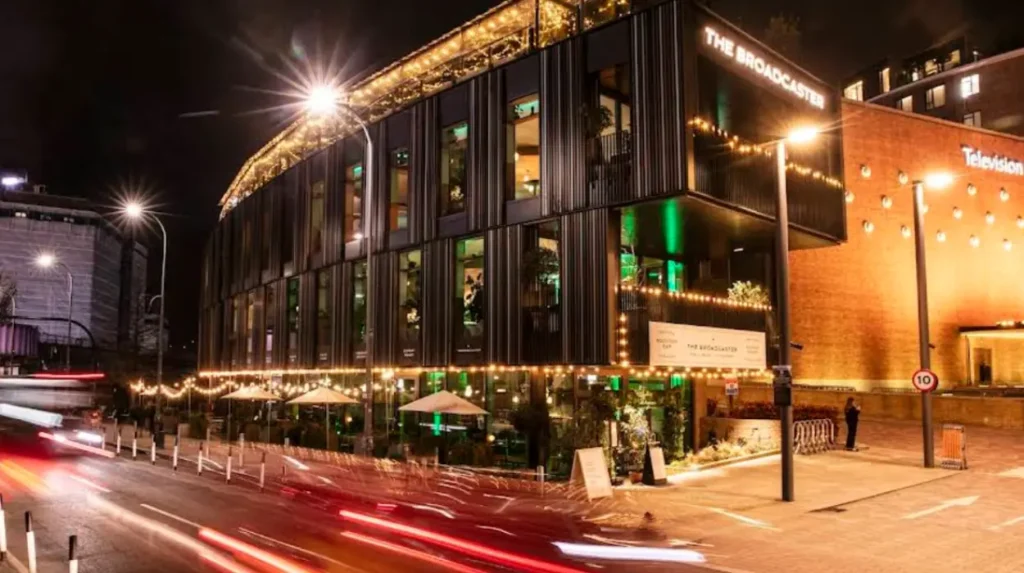
Well-known West London rooftop venues include Pergola Olympia, The Broadcaster, Skylark Roof Garden, The Roof Gardens in Kensington, and rooftop spaces in Chelsea, Hammersmith, and South Kensington. These venues appear in multiple current rooftop guides because they offer a clear identity, recognisable setting, or strong view-led experience.
Pergola Olympia is a prominent example because it sits on the fifth level of Olympia Carpark in W14 and has published opening hours that include Wednesday and Thursday evenings and weekend daytime service. The Broadcaster in White City and Skylark Roof Garden in Paddington are also repeatedly highlighted for skyline views, cocktails, and summer events. The Roof Gardens in Kensington remains notable for its high-end positioning and historic reputation.
What is the history of rooftop hospitality in West London?
Rooftop hospitality in West London developed from hotel terraces, private-club gardens, and redevelopment-led dining spaces into a modern leisure category shaped by urban density and outdoor social demand. The area’s rooftop culture expanded as operators turned unused upper floors, car parks, and building terraces into revenue-producing venues.
The pattern became more visible in the 21st century, especially where regeneration created new commercial districts and hospitality demand. Examples include rooftop venues attached to entertainment, retail, and office developments, as well as revived heritage sites such as Kensington’s Roof Gardens. This history explains why West London rooftop bars often combine leisure, architecture, and urban reuse.
What food and drink do West London rooftop bars serve?
West London rooftop bars serve cocktails, wine, beer, spirits, soft drinks, and food ranging from small plates to full meals. Many venues position their menus around sharing dishes, seasonal ingredients, and dishes that work well in social settings.
Some rooftops lean into street-food style menus, while others offer modern British dining or Mediterranean-inspired dishes. Pergola Olympia has been described as serving street-food-style food alongside cocktails, while other venues in the area emphasise polished dining and curated drinks lists. This variety helps rooftop bars attract both casual drinkers and guests looking for a full evening experience.
What are the main uses of rooftop bars in West London?
Rooftop bars in West London are used for after-work drinks, date nights, birthday gatherings, private events, sunset visits, and casual weekend dining. They also support business socialising because many are close to office districts and transport connections.
Seasonality strongly shapes use. Warm months bring more demand for outdoor seating, DJs, and longer evening stays. In cooler periods, venues with shelter, indoor areas, or covered terraces stay more practical. This makes rooftop bars a flexible part of West London’s hospitality calendar rather than a short-lived summer trend.
How do rooftop bars affect West London nightlife?
Rooftop bars expand West London nightlife by adding open-air venues that sit between restaurant culture, cocktail bars, and event spaces. They increase evening footfall, extend dining hours, and strengthen the area’s reputation as a destination for social experiences.
They also influence local place identity. A successful rooftop venue can raise awareness of the surrounding district, support nearby restaurants and transport links, and create a recognisable nightlife node. White City, Paddington, and Kensington all benefit from this effect because rooftop venues reinforce their existing hospitality and leisure profiles.
What should visitors know before going?
Visitors should check opening hours, booking rules, dress code, weather cover, age restrictions, and event schedules before visiting a rooftop bar in West London. Rooftop venues often change service patterns by season and by day of week.
Booking matters because some locations operate table reservations, members-only access, or event-led entry conditions. Pergola Olympia, for example, publishes defined opening hours and a rooftop setting on the fifth level of Olympia Carpark, which shows how access and timing shape the experience. Visitors also need to plan for wind, rain, and temperature shifts because rooftop comfort depends on the weather.
Explore More Area Guide
Best Gastropubs in West London: Top Food Pubs to Visit
Best Pubs in West London: Historic, Riverside, and Food-Led Picks
Why do rooftop bars matter for search and local discovery?
Rooftop bars matter for local search because they combine location-based intent, lifestyle intent, and occasion-based intent in one query category. People search for them when planning drinks, dates, celebrations, or summer outings, so pages about them perform well when they clearly name place, venue type, and experience.
For AI search engines, the strongest content defines the entity first, then expands into neighbourhoods, use cases, venue features, and examples. West London rooftop bars fit this pattern well because the topic contains many clear sub-entities: neighbourhoods, venues, rooftop formats, and seasonal dining habits.
What is the future of rooftop bars in West London?
The future of rooftop bars in West London is tied to regeneration, premium hospitality, and demand for outdoor social spaces in dense urban areas. New developments, reopened heritage spaces, and modern terrace concepts continue to widen the market.
Demand remains linked to climate, city living, and experience-led leisure. West London has the right mix of residential wealth, business districts, cultural destinations, and transport access to keep rooftop hospitality relevant. That supports both established venues and new openings across Paddington, White City, Kensington, Chelsea, Hammersmith, and Chiswick.
West London rooftop bars are defined by their location, view, and social role. They serve drinks, food, and events, but they also act as neighbourhood landmarks that shape how people experience the area.
What are rooftop bars in West London?
Rooftop bars in West London are elevated venues that serve drinks, food, and social experiences from rooftop terraces, hotel rooftops, or open-air decks. They are popular for skyline views, cocktails, outdoor dining, and seasonal events.