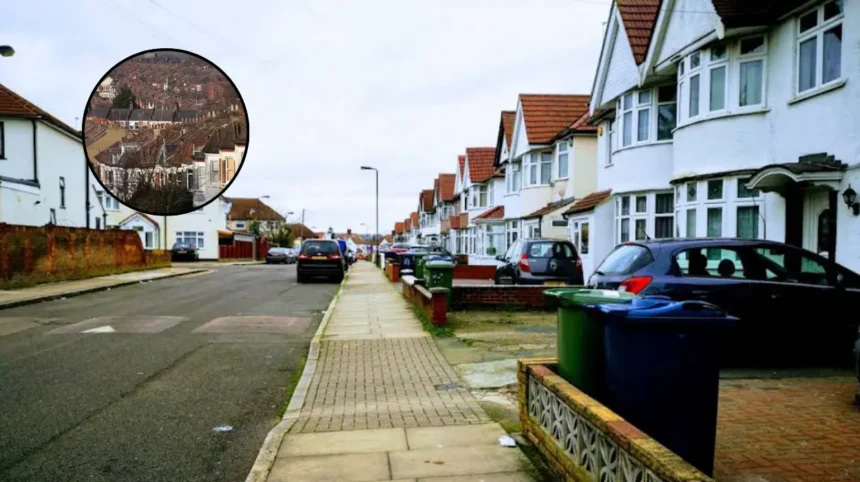
Key Points
- Harrow has been named the highest risk area in the UK for homebuyers in a new Homeprotect study.
- The ranking highlights environmental and structural dangers, including subsidence, ground movement and escape of water.
- More than 10,000 properties have been purchased in the Harrow area over the past three years.
- The average price of those homes was more than £597,000.
- That means total spending on property in Harrow over the three-year period exceeded £6 billion.
- The report places Harrow at the centre of wider concerns about how buyers assess risk before purchasing homes.
- The story is based on reporting from Harrow Times and Homeprotect’s risk data.
Harrow (West London News) August 5, 2026 – Harrow has been named the highest risk area in the UK for homebuyers after a new Homeprotect study highlighted a concentration of environmental and structural threats affecting properties in the borough.
- Key Points
- What did the Homeprotect study find?
- How much property has changed hands in Harrow?
- What kinds of risks are being highlighted?
- What does this mean for buyers in Harrow?
- How was Harrow placed at the top of the ranking?
- What does the borough’s housing market tell us?
- Background of the development
- Prediction
As reported by the Harrow Times, the ranking points to risks such as subsidence, ground movement and escape of water, all of which can affect the condition, value and insurability of a home. The study places Harrow at the top of the list for homeowners across England and Wales, making it the focus of concern in the latest property risk analysis.
What did the Homeprotect study find?
According to Homeprotect’s findings, the risk assessment drew on several property hazard categories to identify areas with the greatest exposure. The company’s analysis highlighted subsidence, ground movement, fire, theft, storm and flooding risks across different locations, with Harrow emerging as the riskiest postcode area overall.
Homeprotect said its risk calculator used proprietary data for homes across the UK and scored every postcode in England and Wales on a five-point scale, with five representing the highest possible risk. In its published results, Harrow (HA) was identified as the riskiest postcode in England and Wales, ahead of other areas including Slough.
The study also said Harrow’s overall score placed it among the most exposed areas for property-related hazards, with the borough sharing second place in one category with Bromley. The report added that Harrow was also notably affected by escape of water risk in the wider regional data set.
How much property has changed hands in Harrow?
The Harrow Times report said more than 10,000 properties have been purchased in the Harrow area over the past three years. At an average price of more than £597,000, the total amount spent on homes in the borough during that period was more than £6 billion.
That scale of activity shows Harrow remains a major housing market despite the new ranking. It also means the study is likely to be closely watched by buyers, sellers, lenders and insurers who rely on property risk data when assessing homes in the area.
What kinds of risks are being highlighted?
The Homeprotect study specifically referred to environmental and structural dangers. These include:
- Subsidence, where the ground beneath a property shifts or sinks.
- Ground movement, which can create structural damage over time.
- Escape of water, which can lead to leaks and internal damage.
- Other general property risks such as storm and flooding exposure.
These risks do not mean every home in Harrow is affected in the same way, but they do indicate that the borough has a higher concentration of hazards than other areas in the latest ranking. That distinction is important for buyers who may need surveys, insurance checks and further due diligence before completing a purchase.
What does this mean for buyers in Harrow?
For prospective buyers, the ranking suggests that property checks may need to be more detailed than usual. A house in an area rated as high risk may still be suitable to buy, but the condition of the building, the ground beneath it and the history of water damage or movement become more important in the purchase process.
The report also has possible implications for mortgage applications and insurance costs, since riskier properties can attract more scrutiny from lenders and insurers. Buyers in Harrow may therefore need to pay close attention to survey results and quotes before agreeing a purchase.
How was Harrow placed at the top of the ranking?
Homeprotect’s wider postcode study examined property risk across England and Wales using its own risk calculator and data categories. Harrow’s position at the top suggests it scored poorly across enough risk measures to push it above competing areas.
The study’s focus on several hazard types rather than one issue alone means Harrow’s ranking should be read as a combined risk assessment. In other words, the result reflects a mixture of structural and environmental concerns rather than a single local problem.
What does the borough’s housing market tell us?
The fact that over 10,000 homes were bought in Harrow in three years shows there is still strong demand for property there. An average price above £597,000 also suggests Harrow remains an expensive market, with buyers continuing to invest substantial sums in the area.
That makes the latest ranking especially significant, because it comes at a time when the borough is still seeing heavy transaction activity. For many buyers, the study may prompt a closer look at surveys, risk reports and home insurance before moving forward.
Background of the development
This development comes from a new Homeprotect study ranking property risk across England and Wales. The company’s analysis looked at environmental and structural threats affecting homes, including subsidence, ground movement and escape of water, and identified Harrow as the highest-risk postcode area overall.
The Harrow Times reported that the finding is notable because the borough has also seen more than 10,000 property purchases in the last three years, with homes averaging more than £597,000. That combination of high market activity and elevated risk score has pushed Harrow into focus for buyers and industry watchers.
Prediction
For homebuyers in Harrow, this development is likely to mean more careful property checks, greater interest in surveys and stronger attention to insurance terms. Buyers may become more cautious about asking questions on structural movement, drainage and water damage before committing to a purchase.
For sellers and estate agents, the ranking may increase the need to explain property condition clearly and provide more documentation where available. For local buyers specifically, the report may not reduce demand on its own, but it could raise awareness of risk and make transaction decisions slower and more evidence-based.