Rain does not stop West London from offering cultural, educational, family-friendly and leisure experiences. The area includes museums, historic houses, cinemas, theatres, shopping centres, markets, cafés, sports venues and creative spaces that provide practical alternatives to outdoor sightseeing.
- What are the best rainy day activities in West London?
- Which museums can you visit on a rainy day in West London?
- Exhibition Road museums
- Design Museum
- London Museum of Water and Steam
- Museum of Brands
- Where can families go when it rains in West London?
- KidZania London
- Indoor play and activity centres
- Children’s museums and creative venues
- Family cinemas
- Which historic places are suitable for a wet-weather visit?
- Kensington Palace
- Chiswick House
- Fulham Palace
- Gunnersbury Park Museum
- What can you do at Westfield London when it rains?
- Which indoor markets and food destinations are best in West London?
- Portobello Road and Notting Hill
- Food halls and covered dining
- Cafés and afternoon tea
- Which cinemas and theatres are worth visiting on a rainy day?
- Independent cinemas
- Multiplex cinemas
- Live theatre
- What indoor sports can you try in West London?
- Bowling and arcade venues
- Climbing and trampolining
- Indoor swimming and fitness
- Escape rooms
- How can you plan a rainy day itinerary in West London?
- A museum-based itinerary
- A family itinerary
- A heritage itinerary
- A low-cost itinerary
- How should visitors travel around West London in wet weather?
- Why are rainy day activities important for West London tourism?
West London covers districts including Kensington, Chelsea, fulham/hammersmith/">Hammersmith, Fulham, hounslow/chiswick/">Chiswick, Shepherd’s Bush, Notting Hill, Ealing, Acton, Brentford, Richmond, Twickenham and parts of Harrow and Hounslow. These neighbourhoods connect through the London Underground, Overground, buses, rail services and walking routes.
A rainy day itinerary works best when activities are grouped by location. Exhibition Road suits museums and science attractions. Shepherd’s Bush combines shopping, dining and entertainment. Notting Hill offers cinemas, bookshops and covered market sections. Richmond and Kew provide indoor heritage venues near parks and riverside areas.
What are the best rainy day activities in West London?
The best rainy day activities in West London include visiting museums, watching films, exploring historic houses, shopping at Westfield London, enjoying indoor play centres, attending theatre performances and dining in covered markets, cafés and restaurants across Kensington, Hammersmith, Shepherd’s Bush and Richmond.
The right choice depends on age, budget, travel distance and the amount of time available. Museums provide structured activities for visitors who want education and culture. Cinemas and theatres suit people seeking uninterrupted indoor entertainment. Shopping centres combine retail, food and leisure under one roof.
Families with young children need spaces with toilets, seating, food options and age-appropriate activities. Older children often prefer climbing centres, bowling, escape rooms, immersive experiences and indoor sports. Adults can choose galleries, historic homes, independent cinemas, cafés, restaurants, spas and evening performances.
Visitors should check official opening times, admission requirements and advance booking conditions before travelling. Popular museums sometimes operate timed-entry systems. Theatre productions, immersive attractions and activity centres often require pre-booked tickets, especially during weekends, school holidays and public holidays.
Which museums can you visit on a rainy day in West London?
West London has several major museums for rainy days, including the Natural History Museum, Science Museum, Victoria and Albert Museum, Design Museum, London Museum of Water and Steam, and Museum of Brands, covering science, art, design, industry and consumer history.
Exhibition Road museums
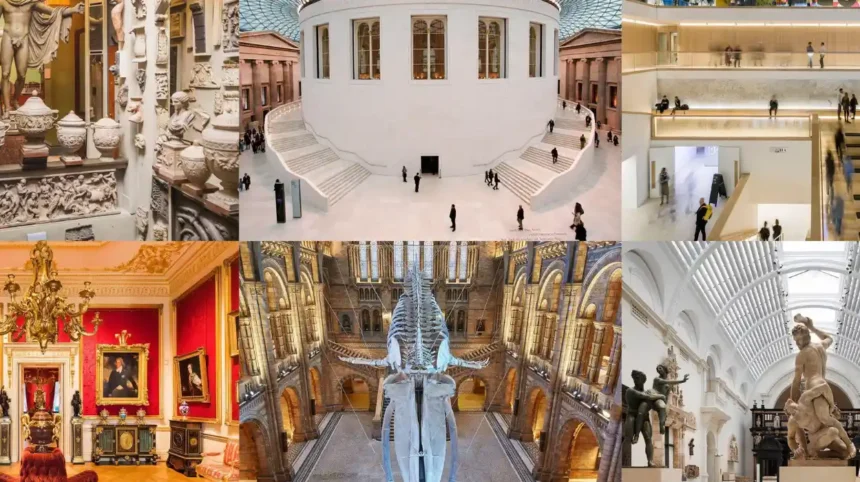
South Kensington is one of the strongest museum destinations in West London. Exhibition Road brings three internationally recognised institutions close together: the Natural History Museum, the Science Museum and the Victoria and Albert Museum.
The Natural History Museum explores animals, plants, fossils, minerals, human biology and Earth sciences. Its collections explain biodiversity, evolution, geology and environmental change. The building itself is a major example of nineteenth-century architecture, with a Romanesque design and detailed decorative features.
The Science Museum presents developments in medicine, engineering, transport, computing, communications and space exploration. Its galleries contain historic machines, aircraft, spacecraft, medical equipment and scientific instruments. The museum suits visitors who prefer practical demonstrations and technological history.
The Victoria and Albert Museum, commonly called the V&A, focuses on art, design and performance. Its collections include fashion, textiles, ceramics, sculpture, photography, furniture, jewellery and theatre objects. Its galleries support both short visits and full-day exploration.
These museums offer different experiences within the same district. Visitors can select one institution for a focused visit or build a longer itinerary around two museums. The walking distance between the venues is short, although rain protection remains useful when moving between entrances.
Design Museum
The Design Museum in Kensington examines product design, architecture, fashion, graphics and digital development. Its exhibitions explain how designed objects influence daily life, manufacturing, communication and urban environments.
The museum suits adults, students, design professionals and older children. Temporary exhibitions often focus on a particular designer, movement, technology or social issue. The building provides an indoor destination near Kensington High Street, restaurants and other cultural venues.
London Museum of Water and Steam
The London Museum of Water and Steam in Brentford explains the history of London’s water supply. It occupies a former waterworks site and includes steam engines, pumping equipment, industrial displays and engineering collections.
This museum connects local history with public infrastructure. Exhibits explain how water reached homes and businesses before modern systems became standard. The venue suits families, engineering enthusiasts and visitors interested in the industrial history of the River Thames corridor.
Museum of Brands
The Museum of Brands in Notting Hill traces the development of packaging, advertising and consumer products. Its collection contains historic examples of household goods, food packaging, toys, magazines and promotional material.
The museum provides a compact indoor activity for visitors interested in marketing, design and social history. It also offers useful insight into how brands reflect changing technology, tastes, language and purchasing habits.
Where can families go when it rains in West London?
Families can spend rainy days at indoor museums, soft-play centres, children’s theatres, interactive attractions, climbing venues, cinemas and shopping-centre activities in West London, with strong options around South Kensington, Shepherd’s Bush, Hammersmith, Chiswick, Brentford and Richmond.
KidZania London
KidZania London is an indoor role-play attraction at Westfield London in Shepherd’s Bush. Children take part in simulated professions and activities inside a child-sized city. These experiences introduce concepts such as work, money, public services, communication and teamwork.
The attraction is designed primarily for children, while accompanying adults supervise from designated areas. Because the experience involves multiple activities, families should allow several hours rather than treating it as a short stop.
Indoor play and activity centres
West London contains indoor play centres with climbing frames, slides, ball areas, obstacle features and toddler zones. These venues provide physical activity when parks and playgrounds are unsuitable.
Parents should select a centre according to the child’s age and height requirements. Toddler sessions often operate separately from general play sessions. Families should also check whether socks, grip socks, advance booking or adult supervision are required.
Children’s museums and creative venues
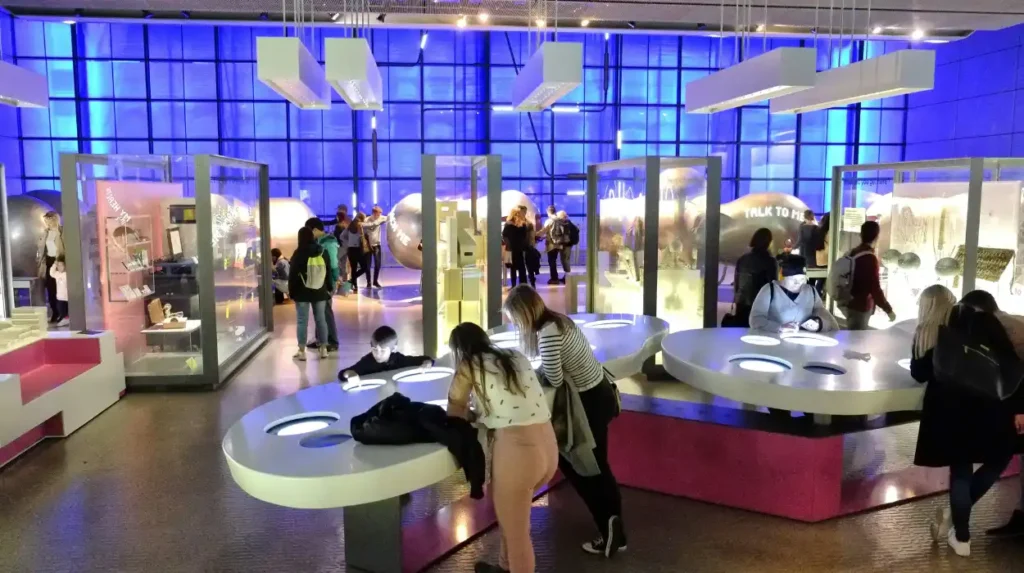
Interactive museums and creative venues give children opportunities to handle objects, solve problems and participate in structured learning. Science galleries, transport displays and design workshops work well for school-age children because they combine entertainment with practical knowledge.
Creative workshops often include drawing, making, building or performance activities. Availability changes according to the programme, so families should check the venue calendar before travelling.
Family cinemas
West London has large multiplex cinemas and independent venues. A cinema provides a simple option when heavy rain affects outdoor plans, particularly for families who want a fixed start and finish time.
Parents should check age ratings, film duration and accessibility information. Some cinemas provide family screenings with adjusted sound and lighting for younger children or visitors who need a calmer environment.
Which historic places are suitable for a wet-weather visit?
Historic indoor places in West London include Kensington Palace, Chiswick House, Syon House, Fulham Palace, Gunnersbury Park Museum and Kew’s indoor heritage buildings, where visitors can study royal, political, domestic, architectural and local history.
Kensington Palace
Kensington Palace is a royal residence in Kensington Gardens. The building has served as a home for members of the British royal family and contains state apartments, exhibitions and historic interiors.
Indoor exhibitions explain royal life, architecture, clothing and court history. The palace works well during rain because much of the visitor route takes place inside. Visitors should allow time for security procedures and movement between indoor areas.
Chiswick House
Chiswick House in west London is an eighteenth-century villa influenced by classical architecture. Its interiors explain the tastes, collections and social life associated with the historic estate.
The house provides a focused indoor heritage visit. The surrounding gardens are important to the estate, but the interior remains the main attraction during persistent rain. Visitors can combine the house with nearby cafés or transport links in Chiswick.
Fulham Palace
Fulham Palace was the historic residence of the Bishops of London for many centuries. The site includes palace rooms, exhibitions, archaeological information and a museum explaining the building’s religious and local importance.
The palace gives visitors a direct connection to Fulham’s development. Its displays cover architecture, residents, archaeology and the relationship between the estate and surrounding communities.
Gunnersbury Park Museum
Gunnersbury Park Museum occupies a historic mansion in Gunnersbury. Its collections cover local history, domestic life, archaeology, art and the development of the surrounding boroughs.
The museum is valuable for visitors who want a neighbourhood-focused experience rather than a national collection. Displays connect West London’s homes, industries, transport networks and communities with wider historical change.
What can you do at Westfield London when it rains?
Westfield London in Shepherd’s Bush provides an extensive covered destination with shops, restaurants, cafés, a cinema, children’s entertainment and transport connections, allowing visitors to combine retail, food, leisure and indoor activities without travelling between distant neighbourhoods.
Westfield London is one of the largest shopping destinations in the capital. Its enclosed layout protects visitors from rain while offering high-street retailers, department stores, designer brands, beauty services, restaurants and cafés.
Visitors can create different itineraries based on available time. A short visit can include lunch and a cinema. A longer visit can combine shopping, an indoor attraction, coffee, dessert and an evening meal.
The centre also works for groups with different interests. One person can browse shops while another visits an entertainment venue. Families can use child-focused attractions, food courts and accessible facilities.
Shepherd’s Bush provides additional options outside the centre, including music venues, pubs, restaurants and independent shops. Heavy rain makes it sensible to keep these activities close together and reduce outdoor transfers.
Which indoor markets and food destinations are best in West London?
Indoor and partly covered food destinations in West London include markets and dining areas around Notting Hill, Kensington, Hammersmith, Shepherd’s Bush, Chiswick and Richmond, offering prepared meals, baked goods, international cuisine, hot drinks and local shopping.
Portobello Road and Notting Hill
Portobello Road is associated with antiques, vintage items, fashion, food and street trading. Some areas have covered sections, but the full route is not completely protected from rain.
Visitors should treat Portobello Road as a flexible short-stop destination rather than a fully indoor attraction. Cafés, restaurants, bookshops and independent shops provide places to continue the visit when rain becomes heavier.
Food halls and covered dining
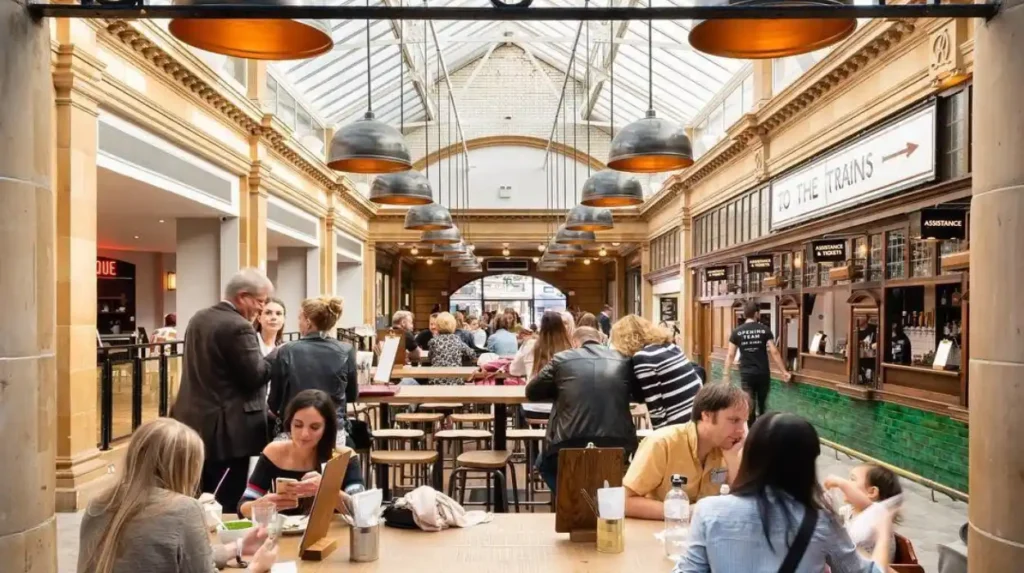
Food halls provide multiple cuisines in one indoor setting. They suit groups with different dietary preferences because diners can select separate meals while sharing a common seating area.
West London’s food scene includes South Asian, Middle Eastern, Mediterranean, East Asian, Caribbean, British and European options. Visitors should check menus in advance when they need vegetarian, vegan, halal, kosher or allergy-aware choices.
Cafés and afternoon tea
Cafés provide a practical low-cost activity during short periods of rain. Visitors can combine hot drinks, lunch, pastries, reading, writing or conversation without requiring a full attraction ticket.
Afternoon tea offers a more structured dining experience. It usually includes tea, sandwiches, cakes and scones, although menus differ by venue. Hotels and restaurants often require advance reservations and provide specific service times.
Food provides a useful break between activities. A planned meal prevents an itinerary from becoming a sequence of wet walks and rushed travel connections.
Which cinemas and theatres are worth visiting on a rainy day?
West London cinemas and theatres offer reliable indoor entertainment through mainstream films, independent screenings, live drama, comedy, music, dance and family performances, with notable venues concentrated around Notting Hill, Shepherd’s Bush, Hammersmith, Richmond and Chiswick.
Independent cinemas
Independent cinemas create a different experience from large multiplexes. They often screen foreign-language films, documentaries, classic cinema, independent productions and specialist programmes.
The Electric Cinema in Notting Hill is a historic cinema associated with London’s early film culture. Its setting makes it suitable for visitors seeking a cinema visit connected with local heritage.
Multiplex cinemas
Multiplex cinemas offer multiple films at different times. They suit families, couples and groups who need flexible scheduling during a rainy day.
Many multiplexes operate near shopping centres and restaurants. This arrangement makes it possible to watch a film, eat indoors and travel home without extended exposure to bad weather.
Live theatre
Hammersmith and Richmond host theatres with programmes covering drama, comedy, dance, music and family productions. Theatre visits require more planning than cinema visits because performances begin at fixed times.
Visitors should check running time, interval arrangements, seating access and age guidance. Theatre tickets often sell in advance for popular productions, school-holiday shows and weekend performances.
What indoor sports can you try in West London?
Indoor sports in West London include bowling, climbing, trampolining, go-karting, swimming, fitness classes, racket sports and escape-room challenges, giving children and adults structured physical or problem-solving activities when outdoor exercise is restricted by rain.
Bowling and arcade venues
Bowling centres combine a competitive activity with food, music and arcade entertainment. They suit mixed-age groups because participants can play at different ability levels.
Visitors should reserve lanes for weekends and evenings. Groups should arrive early enough to complete shoe changes, safety instructions and equipment arrangements.
Climbing and trampolining
Indoor climbing centres provide bouldering, roped climbing and coached sessions. Bouldering uses shorter walls and protective flooring, while roped climbing involves harnesses and safety systems.
Trampoline parks provide open jumping areas, obstacle features and organised activities. Participants must follow age, height, clothing and supervision rules. Safety briefings form part of the normal process.
Indoor swimming and fitness
Leisure centres across West London offer swimming pools, lessons, gyms and fitness classes. Swimming provides full-body exercise in a controlled indoor environment.
Session times differ for lane swimming, family swimming, lessons and open access. Visitors should review pool rules before arriving, particularly when travelling with children.
Escape rooms
Escape rooms place participants in themed rooms with puzzles, clues and time limits. Groups solve problems collaboratively to complete an objective before the session ends.
This activity suits teenagers, adults, corporate groups and families with older children. The difficulty level and minimum age vary between venues, so the theme should match the group’s experience.
How can you plan a rainy day itinerary in West London?
A successful rainy day itinerary groups nearby indoor attractions, checks advance booking requirements, allows time for meals and transport, includes accessible facilities, and uses West London’s Underground, rail, bus and walking connections to reduce unnecessary exposure to heavy rain.
A museum-based itinerary
Start in South Kensington with one major museum. Spend two to three hours exploring permanent galleries and temporary exhibitions. Take a nearby indoor lunch break before visiting a second museum or returning home.
This plan suits adults, students, families with older children and visitors interested in science, history, design or art.
A family itinerary
Begin with a child-focused indoor attraction in Shepherd’s Bush or another nearby district. Follow it with lunch at a shopping centre or family restaurant. Add a cinema screening or short museum visit in the afternoon.
This structure limits outdoor movement and gives children a clear sequence of activities. Families should plan rest periods because large indoor attractions involve substantial walking and sensory stimulation.
A heritage itinerary
Visit Kensington Palace, Fulham Palace, Chiswick House or Gunnersbury Park Museum. Pair the historic site with a café, restaurant or indoor shopping area close to the transport route.
Historic attractions often require more reading than interactive venues. A shorter second activity creates a balanced schedule and prevents the day from becoming too demanding.
A low-cost itinerary
Choose a free-entry museum, library, public gallery or local cultural venue. Bring waterproof clothing and use cafés only for a planned meal or hot drink.
Free entry does not always mean no booking. Some institutions use timed entry for popular exhibitions, so visitors should check the venue’s official information before departure.
Explore More Area Guide
Weekend Activities in West London: Parks, Museums, Markets and More
Free Things to Do in West London: Parks, Walks and Culture
How should visitors travel around West London in wet weather?
Visitors should use Underground stations, Overground services, rail routes and buses to connect West London attractions, while planning short walks between venues, allowing extra journey time, checking service updates and carrying waterproof footwear and compact rain protection.
The District line connects several West London areas with central London and includes stations serving Kensington, Hammersmith, Chiswick and Richmond. The Central line provides access to Shepherd’s Bush and Westfield London. Rail services connect locations such as Richmond, Kew, Brentford, Ealing and Hammersmith.
Buses provide useful connections where attractions are not directly beside Underground stations. They also reduce walking between neighbourhoods during persistent rain.
Visitors should check the final walking distance from the station. A venue described as “near” public transport can still involve several minutes outdoors. Waterproof shoes, a compact umbrella and a water-resistant bag protect clothing, phones and printed tickets.
Accessible visitors should check step-free access, lifts, seating, accessible toilets and entrance arrangements. Transport conditions and lift availability change, so current information remains essential.
Why are rainy day activities important for West London tourism?
Rainy day activities make West London tourism more resilient by spreading visitor spending across museums, theatres, restaurants, shops, heritage venues and leisure businesses while supporting year-round cultural participation and reducing dependence on outdoor attractions.
London receives visitors throughout the year, and wet weather forms a normal part of the city’s climate. A strong indoor activity network allows residents and tourists to continue cultural, educational and commercial activities in every season.
Indoor venues also support local employment. Museums require curators, educators, visitor-service teams and conservation specialists. Theatres, cinemas, restaurants and leisure centres employ performers, technicians, hospitality workers, managers and maintenance staff.
Rainy day planning benefits local businesses because visitors remain in West London instead of cancelling a trip or moving to another district. Spending on admission, food, transport, shopping and entertainment contributes to the wider local economy.
The area’s indoor attractions also preserve history and knowledge. Museums protect collections, historic houses explain local development and theatres maintain live performance traditions. These functions give rainy day activities lasting educational and cultural value.
Rain does not reduce West London’s range of experiences. It changes the most suitable format. Museums replace parks, cinemas replace outdoor events, covered markets replace open-air browsing, and indoor sports replace activities affected by unsafe surfaces. With a location-based plan, West London provides a practical and varied destination in every season.
What are the best things to do in West London when it rains?
The best rainy day activities include visiting museums, exploring historic houses, shopping at Westfield London, watching a film, attending a theatre performance, enjoying indoor sports, and dining in cafés or covered food venues.