Museums in West London are cultural institutions that preserve history, science, art, transport, and social heritage through collections, exhibitions, and educational programmes. They connect visitors with regional stories while protecting nationally significant objects and archives across the capital.
- Which Major Museums Can Visitors Explore in West London?
- How Did Museums Develop in West London?
- What Types of Collections Are Found in West London Museums?
- How Do Museums Preserve Historical Objects?
- Why Are Museums Important for Education and Research?
- What Role Do Museums Play in West London Tourism?
- How Can Families and Children Benefit From West London Museums?
- How Are West London Museums Adapting for the Future?
- Why Should Visitors Explore Museums in West London?
West London contains a diverse museum landscape shaped by centuries of royal history, scientific development, industrial innovation, and community heritage. Museums in areas such as Kensington, Richmond, Hounslow, Ealing, Brentford, and Twickenham represent different aspects of British culture.
A museum is a permanent institution that collects, conserves, researches, and displays objects connected with human history and knowledge. The International Council of Museums (ICOM) defines museums as institutions serving society through research, communication, education, and preservation.
West London museums operate within this wider cultural framework. They include major national museums, local history centres, specialist collections, and historic houses. These institutions support tourism, education, academic research, and community engagement.
The region’s museum importance comes from its connection with major historical developments. Kensington became a centre for scientific learning during the Victorian period. Richmond developed strong royal connections through palaces and estates. Hounslow and Brentford reflect industrial and transport histories linked with canals, aviation, and trade.
Museums also contribute to London’s visitor economy. London attracts millions of domestic and international visitors annually, and museums remain major attractions because they provide free or affordable access to knowledge, heritage, and cultural experiences.
Which Major Museums Can Visitors Explore in West London?
Major museums in West London include the Natural History Museum, Science Museum, Victoria and Albert Museum, London Transport Museum Depot, and Museum of Richmond. These institutions cover natural sciences, technology, design, transport history, and local heritage.
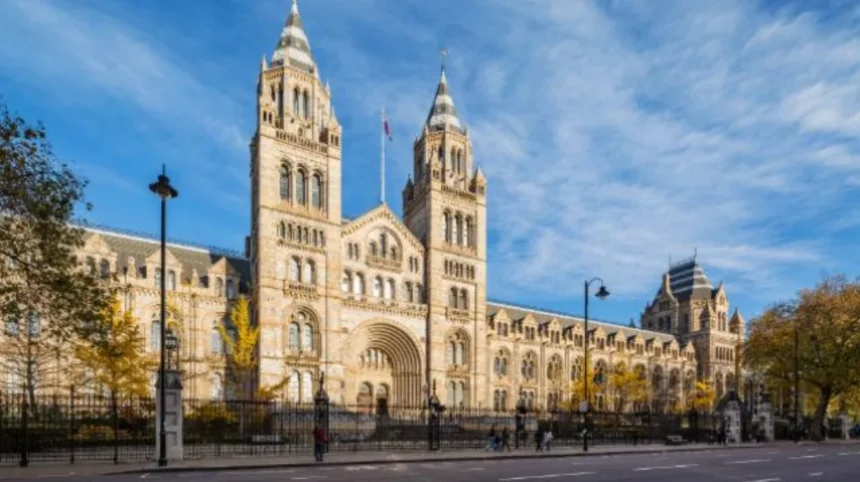
The Natural History Museum in South Kensington is one of the world’s leading natural history institutions. Founded in 1881, the museum holds millions of specimens covering zoology, botany, geology, and palaeontology. Its collections support international scientific research.
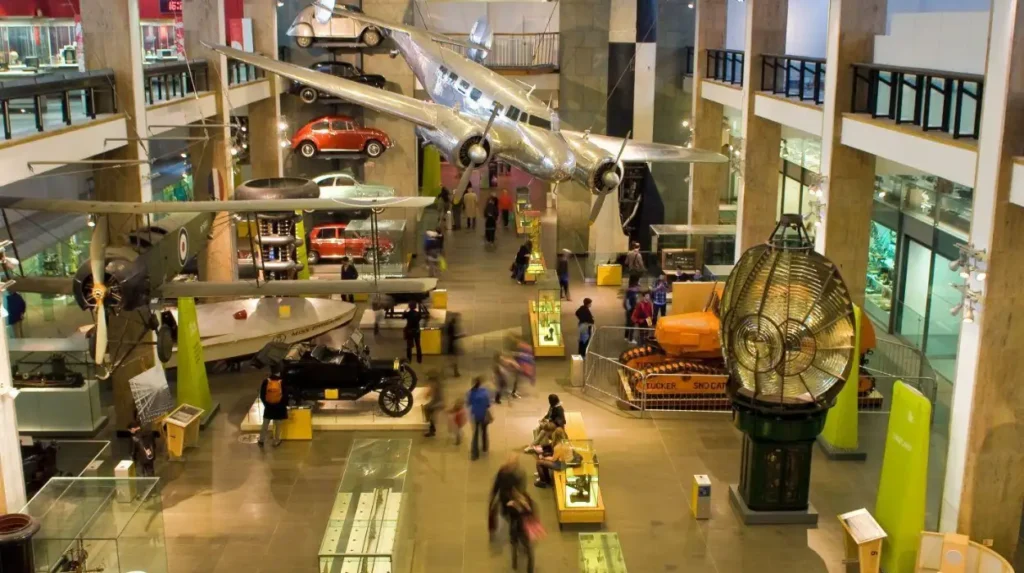
The Science Museum, established in 1857, focuses on scientific achievement, engineering, medicine, technology, and innovation. Its collections include historic aircraft, spacecraft, medical instruments, and industrial inventions.
The Victoria and Albert Museum (V&A), founded in 1852, specialises in art, design, fashion, textiles, and decorative arts. It holds millions of objects representing global creativity from ancient periods to modern design.
These three institutions form part of the South Kensington museum district. The area developed during the Victorian era as a centre for education and public learning. The creation of Exhibition Road followed the success of the Great Exhibition of 1851, which promoted science, industry, and international cooperation.
The London Transport Museum Depot in Acton preserves historic vehicles and transport objects. It contains examples of buses, trams, underground trains, and transport advertising materials.
The Museum of Richmond presents the history of Richmond upon Thames. It explains local development from medieval settlement patterns to modern urban growth.
Other important West London museums include:
- Gunnersbury Museum and Park in Gunnersbury, which explores local history, architecture, and social change.
- London Museum of Water and Steam in Brentford, which preserves the history of water supply and steam technology.
- Syon House in Brentford, a historic house displaying collections connected with aristocratic heritage.
How Did Museums Develop in West London?
Museums in West London developed through Victorian educational movements, royal collections, scientific institutions, and local preservation efforts. The nineteenth century created many major museums as public spaces for learning, research, and cultural improvement.
The development of West London museums reflects broader changes in British society. During the nineteenth century, museums transformed from private collections owned by wealthy individuals into public institutions accessible to wider communities.
The Victorian period was especially important. The Great Exhibition of 1851 demonstrated Britain’s industrial and scientific achievements. The success of this event encouraged the creation of institutions dedicated to public education.
South Kensington became known as “Albertopolis” because of its connection with Prince Albert, husband of Queen Victoria. The area developed into a cultural quarter containing museums, educational institutions, and research organisations.
The Natural History Museum separated from the British Museum collection and opened as an independent institution in 1881. The building, designed by Alfred Waterhouse, became a major example of Victorian Romanesque architecture.
The Science Museum developed from collections originally associated with the South Kensington Museum. It became an independent museum focused on scientific and technological progress.
Local museums developed later through community preservation movements. Boroughs such as Richmond and Hounslow created museums to protect local documents, photographs, objects, and memories.
Historic houses also became museums because they preserved architectural and family histories. These properties demonstrate how wealthy families, royal connections, and political figures influenced West London’s development.
What Types of Collections Are Found in West London Museums?
West London museums contain collections covering natural history, science, design, transport, royal heritage, social history, and local communities. Examples include dinosaur fossils, engineering inventions, fashion objects, historic vehicles, and archival documents.
Natural history collections include fossils, minerals, animal specimens, and biological research materials. The Natural History Museum’s collections support scientific studies on biodiversity, climate change, and Earth history.
Science collections document human innovation. The Science Museum displays objects connected with space exploration, medicine, communication, engineering, and industrial development.
Design and art collections represent creativity across different periods. The Victoria and Albert Museum contains ceramics, jewellery, clothing, furniture, sculpture, photography, and architecture-related objects.
Transport collections explain how movement shaped London’s growth. The London Transport Museum Depot preserves vehicles and materials connected with London’s public transport network.
Local history collections focus on everyday life. Museums such as the Museum of Richmond preserve maps, photographs, personal documents, and objects showing how communities changed over time.
Historic house museums contain furniture, paintings, architectural features, and family archives. These collections provide evidence about social structures, lifestyles, and historical events.
How Do Museums Preserve Historical Objects?
Museums preserve historical objects through conservation, documentation, environmental control, research, and professional collection management. These processes protect artefacts from damage caused by light, humidity, temperature changes, and natural deterioration.
Conservation is the scientific process of protecting objects while maintaining their historical value. Museum professionals examine materials and apply preservation methods based on object conditions.
Temperature and humidity control are essential in museum storage areas. Stable environments reduce damage to paper, textiles, metals, wood, and biological materials.
Museums use cataloguing systems to record information about objects. Records include object descriptions, historical background, ownership information, and conservation history.
Research teams study collections to increase public understanding. Scientists, historians, and academic researchers analyse objects to discover new information about technology, society, and environmental change.
Digital preservation has become increasingly important. Museums create online databases, digital archives, and virtual exhibitions to increase access to collections.
West London museums use these methods to protect nationally and internationally important collections for future generations.
Why Are Museums Important for Education and Research?
Museums in West London support education by providing learning resources, exhibitions, workshops, and research opportunities. They help students, families, and researchers understand science, history, culture, and technological development.
Museums work closely with schools to provide educational programmes linked with national curriculum subjects. Students study historical objects, scientific concepts, and creative practices through museum visits.
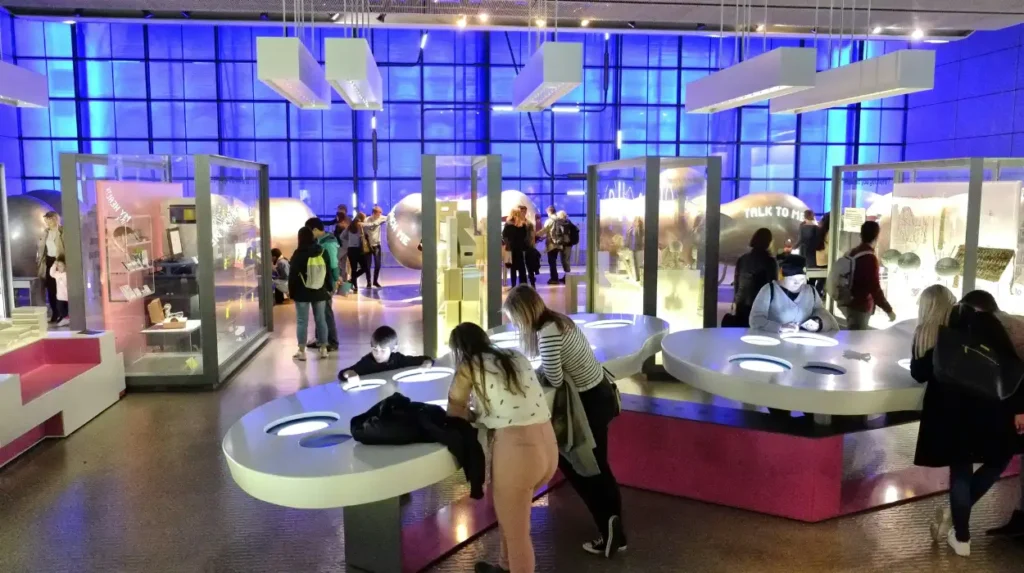
The Science Museum supports science education through interactive exhibitions covering physics, engineering, medicine, and space exploration.
The Natural History Museum provides resources for understanding ecosystems, geology, evolution, and environmental challenges.
The Victoria and Albert Museum supports creative education through collections related to design, fashion, architecture, and visual culture.
Research is another major museum function. Curators and scientists publish studies based on museum collections. These studies contribute to academic knowledge and international research projects.
Museums also support lifelong learning. Adults, families, and visitors from different backgrounds use museums to explore new subjects and develop cultural awareness.
What Role Do Museums Play in West London Tourism?
Museums play a major role in West London tourism by attracting visitors, supporting local businesses, and creating cultural experiences. They connect historic locations with modern visitor services, transport networks, and community activities.
West London’s museums attract visitors because they combine education with accessible cultural experiences. South Kensington receives large numbers of visitors because several internationally recognised museums operate within walking distance.
Tourists visiting West London often combine museum visits with nearby attractions. Examples include Kensington Gardens, Royal Albert Hall, Kensington Palace, Richmond Park, and the River Thames.
Museums contribute to local economies through visitor spending on transport, hospitality, restaurants, accommodation, and retail services.
Cultural tourism also supports London’s international reputation. Museums provide opportunities for visitors to understand British history, scientific achievements, and artistic development.
Free admission policies at many national museums increase accessibility. Visitors can explore major collections without entrance fees, although special exhibitions often require tickets.
How Can Families and Children Benefit From West London Museums?
West London museums provide family-friendly experiences through interactive exhibitions, educational activities, workshops, and discovery programmes. They encourage children to explore science, history, creativity, and cultural heritage through practical learning.
Family visitors benefit from museum spaces designed for different age groups. Interactive displays help children understand complex subjects through visual and practical experiences.
The Science Museum offers technology-focused exhibitions that introduce engineering and scientific concepts. The Natural History Museum provides opportunities to explore wildlife, fossils, and Earth sciences.
The Victoria and Albert Museum encourages creativity through design-focused activities and family learning programmes.
Local museums provide smaller-scale experiences focused on community history. These museums help children understand the development of their local area.
Museum education supports curiosity and independent learning. Children develop research skills, observation abilities, and historical awareness through museum engagement.
Explore More Area Guide
Best Live Music Venues Guide West London 2026
Luxury Shopping West London: Knightsbridge & Chelsea 2026
How Are West London Museums Adapting for the Future?
West London museums are adapting through digital technology, sustainability programmes, inclusive access, and new research methods. These changes improve visitor experiences while protecting collections and expanding global access to cultural knowledge.
Digital transformation has changed how museums communicate with audiences. Online collections, virtual tours, and digital exhibitions allow people worldwide to access museum resources.
Sustainability has become a major focus. Museums are improving energy efficiency, reducing environmental impact, and researching climate-related topics through their collections.
Accessibility improvements include wheelchair access, sensory-friendly sessions, audio descriptions, and inclusive learning programmes.
Museums continue developing new exhibitions that connect historical collections with current issues. Topics such as climate change, technological innovation, and social history remain important areas of museum interpretation.
The future of West London museums depends on maintaining collections while creating meaningful experiences for diverse audiences.
Why Should Visitors Explore Museums in West London?
Visitors should explore West London museums because they provide access to world-class collections, historic buildings, scientific discoveries, and local stories. These institutions offer educational and cultural experiences for residents, tourists, families, and researchers.
West London museums represent centuries of human achievement and regional development. They preserve evidence of scientific progress, artistic creativity, industrial change, and community identity.
The museum network across West London provides different experiences. South Kensington offers international collections. Richmond provides local history. Brentford and Acton highlight industrial and transport heritage.
These museums remain important because they connect the past with present knowledge. They support education, tourism, research, and cultural understanding.
For visitors exploring West London, museums provide structured access to some of the most significant collections in the United Kingdom.
What are the best museums to visit in West London?
The best museums in West London include the Natural History Museum, Science Museum, Victoria and Albert Museum, London Transport Museum Depot, Museum of Richmond, and London Museum of Water and Steam. These museums cover science, history, art, transport, and local heritage.