West London’s live music venues are cultural spaces that host concerts, performances, emerging artists, and established musicians across areas including fulham/hammersmith/">Hammersmith, Shepherd’s Bush, Ealing, Richmond, and Acton. These venues combine historic architecture, modern sound technology, and diverse music programmes for local audiences and visitors.
West London has a strong connection with Britain’s live music heritage. The area contains some of the capital’s most recognised performance spaces, including historic theatres, concert halls, independent music venues, and community-led stages. These locations support multiple genres including rock, jazz, classical music, indie, electronic music, folk, and contemporary performances.
The region’s music infrastructure developed through London’s wider cultural expansion during the 19th and 20th centuries. Improved transport links, population growth, and entertainment demand created opportunities for purpose-built venues and performance spaces.
West London’s live music scene operates through different venue models. Large-scale venues attract international touring artists, while smaller venues support new performers and local music communities. Together, these spaces create a connected ecosystem for musicians, audiences, promoters, and creative businesses.
The area’s transport network strengthens its position as a live entertainment destination. Underground stations, railway connections, and bus routes allow audiences from across Greater London to access major music locations easily.
How Did Live Music Culture Develop in West London?
Live music culture in West London developed through historic theatres, entertainment halls, recording industries, and community venues that expanded from the Victorian period onwards. The area became an important centre for performance because of population growth, transport development, and London’s expanding cultural economy.
The foundations of West London’s music culture appeared during the Victorian era when theatres and entertainment halls became popular public attractions. Industrial growth increased residential populations in areas such as Hammersmith, Fulham, and Ealing, creating demand for organised entertainment.
During the early 20th century, music halls provided affordable performances for working-class audiences. These venues introduced a mixture of comedy, popular songs, theatrical acts, and musical performances.
The post-war period transformed London’s music landscape. The growth of youth culture during the 1950s and 1960s increased demand for rock and popular music venues. West London became associated with important developments in British music history.
The development of recording studios and broadcasting facilities also influenced the region. Artists, producers, and music professionals worked across West London because of its proximity to central London and creative industries.
By the late 20th century, independent venues became essential spaces for emerging musicians. Smaller venues created opportunities for performers before they reached larger commercial stages.
Today, West London’s music culture combines historical venues with modern entertainment spaces. The area continues to support both internationally recognised performers and grassroots artists.
Why Is Hammersmith Important for West London’s Live Music Scene?
Hammersmith is one of West London’s most significant live music locations because it contains historic venues, major concert spaces, and a long association with international performers. Its cultural importance comes from established venues, excellent transport connections, and decades of music activity.
Hammersmith developed as a major entertainment district because of its location along the River Thames and its connection with central London. The area became a commercial and cultural centre during the 19th century.
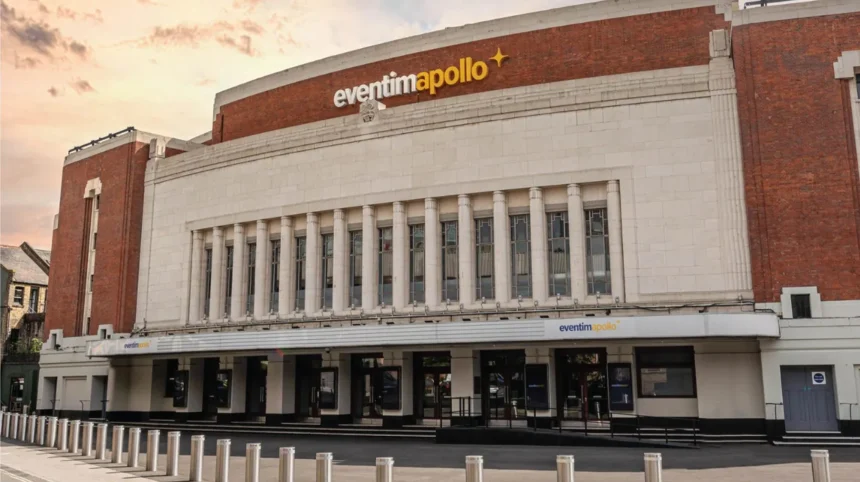
One of the most recognised venues in the area is Eventim Apollo, originally opened as the Hammersmith Apollo in 1932. The building has hosted concerts, comedy performances, and theatrical productions for decades.
The venue’s Art Deco design represents an important period of British entertainment architecture. It has welcomed internationally known musicians and remains a major touring destination.
Another important location is Hammersmith Palais, a historic dance and music venue that operated for much of the 20th century. Although it closed in 2007, its cultural influence remains part of West London’s music history.
Hammersmith’s transport infrastructure supports its role as a music destination. Hammersmith Underground Station connects multiple London Underground lines, including the District, Piccadilly, and Hammersmith & City lines.
The combination of accessibility, venue history, and audience demand keeps Hammersmith central to West London’s entertainment economy.
Which Live Music Venues Are Located in Shepherd’s Bush?
Shepherd’s Bush is a major West London music district known for historic concert halls, independent venues, and connections with British popular music. The area attracts touring musicians and audiences through venues such as Shepherd’s Bush Empire and smaller performance spaces.
Shepherd’s Bush developed into an important entertainment location during the 20th century. Its position near major roads and transport connections helped establish the area as a popular destination for leisure activities.
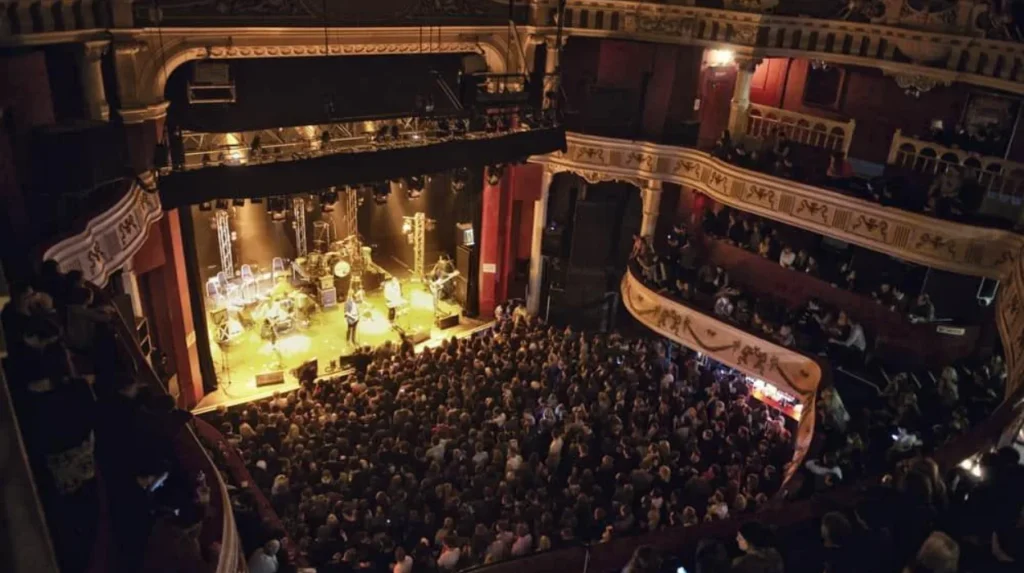
The most famous venue is Shepherd’s Bush Empire. Opened in 1903 as a music hall, the building was designed by theatre architect Frank Matcham, who created many significant British performance venues.
The venue originally hosted variety shows before becoming a major live music location. Its historic interior, including balconies and decorative features, reflects early 20th-century theatre design.
Shepherd’s Bush Empire has hosted performers from different musical backgrounds, including rock, pop, alternative, and acoustic artists. The venue continues to provide an intimate concert environment compared with larger arenas.
The district also includes smaller music spaces that support independent performers. These venues provide opportunities for new artists and contribute to London’s grassroots music network.
Shepherd’s Bush benefits from strong transport access through Shepherd’s Bush Underground Station, Shepherd’s Bush railway station, and nearby bus connections.
The area demonstrates how historic entertainment buildings continue adapting to modern music audiences.
Explore More Area Guide
Theatres in West London: Complete Visitor Guide 2026
Best Gift Shops in West London 2026
What Makes Bush Hall a Unique West London Music Venue?
Bush Hall is a historic Shepherd’s Bush music venue recognised for its Edwardian architecture, intimate atmosphere, and diverse performance programme. The venue combines heritage preservation with contemporary concerts, supporting independent musicians and established performers across multiple genres.
Bush Hall opened in 1904 and originally served as a dance hall and community entertainment space. The building later experienced periods of reduced activity before being restored and reopened as a live music venue.
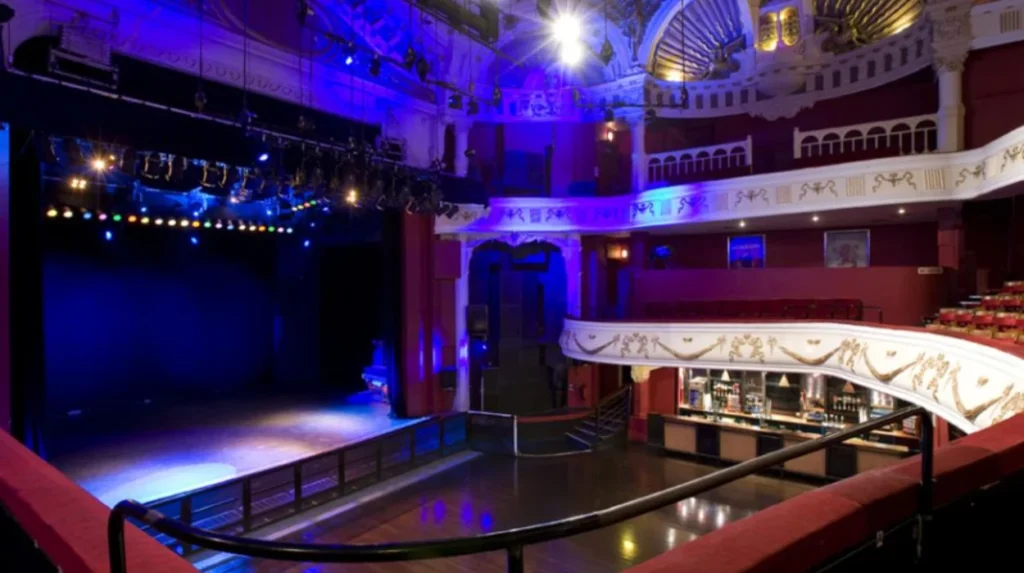
The venue’s architecture remains one of its defining features. Its ballroom design, wooden flooring, and decorative interiors create a distinctive performance environment.
Bush Hall focuses on a wide range of musical styles, including folk, jazz, soul, indie, and acoustic performances. Its programming strategy supports both recognised artists and emerging musicians.
The venue also contributes to West London’s cultural economy by attracting visitors, supporting event workers, and providing employment opportunities within the creative sector.
Historic music venues such as Bush Hall demonstrate the importance of maintaining cultural buildings. They preserve architectural heritage while continuing to serve modern audiences.
How Do West London Live Music Venues Support Local Artists?
West London live music venues support local artists by providing performance opportunities, audience access, professional networking, and pathways into the wider music industry. Small venues act as development spaces where musicians build experience before reaching larger stages.
Grassroots venues play an important role in the music ecosystem. They allow emerging performers to test material, develop confidence, and connect with audiences.
Independent venues often organise regular gig nights, open mic events, and community performances. These programmes create entry points for musicians at different career stages.
The UK’s live music industry contributes significantly to the national economy. Research from organisations including UK Music highlights the importance of live performance, venues, and festivals in supporting employment and economic activity.
West London benefits from its connection to London’s wider creative industries. Musicians, producers, recording professionals, and event organisers operate across the capital.
Local venues also strengthen community identity. They create shared cultural experiences and provide spaces where residents interact through music.
The relationship between small venues and larger concert halls creates a progression system. Artists often move from local stages to regional venues and eventually national touring circuits.
What are the best live music venues in West London?
West London has several leading live music venues, including Eventim Apollo in Hammersmith, Shepherd’s Bush Empire, Bush Hall, and other independent performance spaces. These venues host concerts, touring artists, emerging musicians, and cultural events throughout the year.