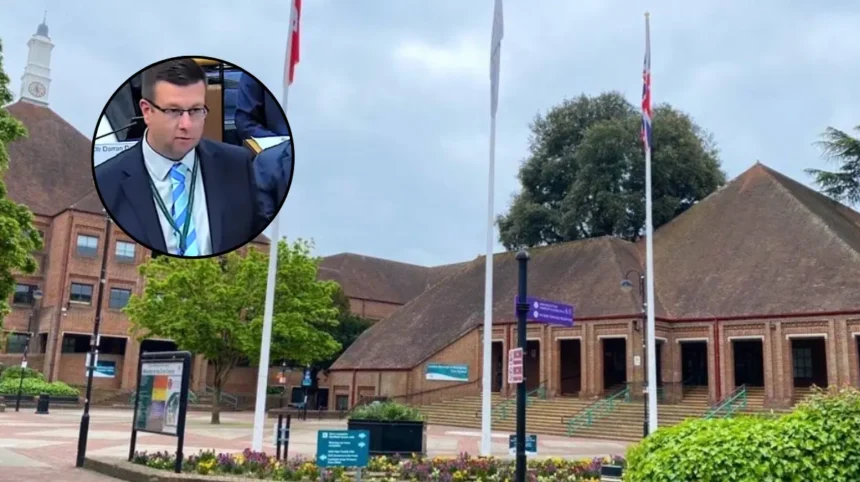
Key Points
- Pseudonym Exposed: Hillingdon Council Deputy Leader, Conservative Councillor Richard Mills, was unmasked as the individual operating an anonymous Facebook profile under a pseudonym.
- Criticism of Residents: The undisclosed account was used to openly support administration policies and dismiss local residents as “keyboard warriors” in social media discussion groups.
- Public Backlash: Local residents expressed deep anger and feeling “saddened,” describing the actions as an direct insult to local families and community members.
- Leader Refuses Resignation Call: Hillingdon Council Leader, Councillor Steve Tuckwell, confirmed that he does not intend to ask Councillor Richard Mills to step down from his deputy position.
- Journalistic Investigation: The revelations came following an investigation by the Local Democracy Reporting Service (LDRS), which linked the account directly to the senior council figure.
Hillingdon Council (West London News) August 24, 2026 – Residents across the London Borough of Hillingdon have expressed anger and incredulity following disclosures that the local council’s Deputy Leader, Conservative Councillor Richard Mills, operated a fake Facebook profile to criticize constituents and defend local authority decisions online. Despite mounting calls from community members regarding public accountability, Hillingdon Council Leader, Councillor Steve Tuckwell, announced that he has no intention of requesting Councillor Mills’s resignation from his executive cabinet role.
The investigation, initially reported by Philip Dewey of the Local Democracy Reporting Service, revealed that Councillor Richard Mills utilized a pseudonym within public Facebook group conversations. While posting under the undisclosed identity, Councillor Mills actively promoted local authority policy decisions and accused local residents of acting as “keyboard warriors” during discussions concerning local council matters.
Why Have Hillingdon Residents Reacted with Anger to the Fake Profile?
Constituents across the borough have voice disappointment over the conduct of the elected representative. Members of the community stated that discovering a senior elected official engaging in covert commentary on public forums undermines trust between the local council and the public it serves.
According to reporting by Philip Dewey of the Local Democracy Reporting Service, affected residents felt the comments made via the social media pseudonym were dismissive of genuine community concerns. Residents described feeling “saddened” by what they regarded as an “insult to our family” and neighbors who were simply utilizing online community groups to question local administrative choices. The characterization of active voters as “keyboard warriors” by an unmasked executive member has drawn significant concern regarding democratic transparency in the local area.
What Was Council Leader Steve Tuckwell’s Response to the Revelations?
Despite the backlash from local groups and members of the public, the administration leadership has stood by the cabinet member.
As reported by Philip Dewey of the Local Democracy Reporting Service, Hillingdon Council Leader, Councillor Steve Tuckwell, clarified his position by stating that he does not plan to demand the resignation of Deputy Leader Richard Mills over the social media controversy. The council leadership has addressed the matter as an internal issue, resisting demands from opposition members and local residents who insist that using pseudonyms to mock local taxpayers breaches the standard of conduct expected of cabinet ministers in local government.
What Is the Background of the Development?
The London Borough of Hillingdon operates as a local authority in West London, governed by an elected cabinet system. As Deputy Leader of the Council, Councillor Richard Mills holds a significant portfolio, assisting Council Leader Steve Tuckwell in overseeing municipal services, financial budgets, and public policy implementation across the district.
The usage of social media platforms by public officials has increasingly come under public scrutiny across the UK local government sector. Elected members are bound by the Code of Conduct for Councillors, which mandates standards of honesty, openness, leadership, and respect towards members of the public. The investigation by the Local Democracy Reporting Service established that the undisclosed Facebook profile systematically endorsed Conservative administration decisions whilst shielding the poster’s political identity, raising questions regarding compliance with transparency guidelines for public figures operating online.
What Is the Prediction for How This Development Will Affect Hillingdon Residents and Council Relations?
This development is expected to impact the relationship between Hillingdon Council and local constituents across several key areas:
- Erosion of Public Trust: Constituents participating in online community forums may exhibit heightened skepticism toward official council communications and digital consultations, fearing anonymous intervention by council representatives.
- Heightened Scrutiny at Council Meetings: Local residents, civic associations, and opposition councillors are likely to press for formal inquiries into elected members’ online activities, leading to tenser public participation sessions during upcoming full council meetings.
- Impact on Local Electoral Dynamics: The decision by Council Leader Steve Tuckwell to retain Councillor Mills in his leadership post could become a central political focal point for local electors during future local elections, directly influencing voter sentiment toward the current administration.