
West London provides a broad mix of family activities across parks, gardens, museums, historic estates, wildlife centres, playgrounds and educational attractions. The area includes family destinations in Kensington, fulham/hammersmith/">Hammersmith, Barnes, Kew, Richmond, Osterley and surrounding neighbourhoods.
- What are the best family activities in West London?
- Why is Kew Gardens one of the best family attractions in West London?
- Which parks and playgrounds are best for family days out?
- What can families do at London Wetland Centre in Barnes?
- What family activities are available at Osterley Park and House?
- Which museums offer family-friendly activities in West London?
- What free family activities can families enjoy in West London?
- How can families choose activities for different ages and weather conditions?
- How should families plan a full day of activities in West London?
- Why does West London remain a strong destination for family days out?
The strongest family attractions combine recreation with learning, outdoor space and accessible facilities. Families can choose between free public spaces, ticketed cultural attractions, nature reserves and historic estates. This makes West London suitable for toddlers, school-age children, teenagers and mixed-age family groups.
The area also has strong transport connections. District, Piccadilly, Central and Elizabeth lines connect several major destinations with central London and surrounding neighbourhoods. Bus routes, rail stations and walking routes provide additional options for families travelling without a car.
What are the best family activities in West London?
The best family activities in West London include exploring Kew Gardens, playing at Diana Memorial Playground, visiting London Wetland Centre, discovering Osterley Park, exploring Kensington Gardens, visiting major museums and using West London parks for walking, picnicking, wildlife watching and outdoor play.
West London has activities for different ages, budgets and weather conditions. Outdoor attractions dominate during warmer months, while museums and indoor learning venues provide reliable alternatives during colder or wet weather.
Royal Botanic Gardens, Kew is one of the area’s most significant family destinations. Its 320-acre site combines botanical collections, gardens, historic buildings, nature areas and children’s facilities. Kew’s Children’s Garden is designed for children aged 2 to 12 and provides climbing, running, jumping and nature-based play.
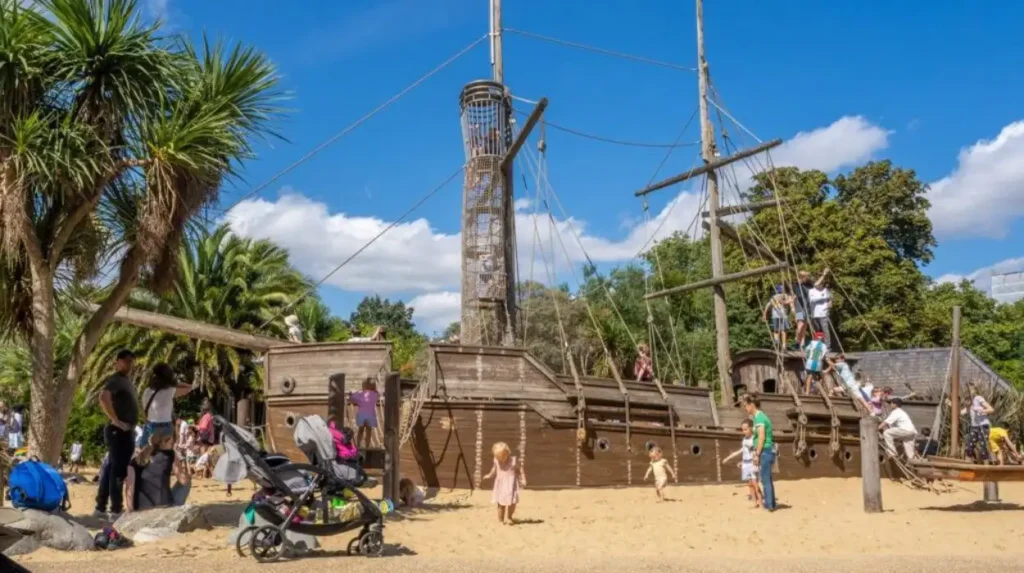
The Diana, Princess of Wales Memorial Playground in Kensington Gardens is another major destination. It reopened on 5 August 2026 following a £3 million renewal. The renewed playground includes a 17-metre by 12-metre galleon, a multi-level treehouse, water play and a redesigned area for younger children.
London Wetland Centre in Barnes combines wildlife observation with active play. Families can see wetland birds and otters, explore wildlife habitats and use adventure areas containing a zip line, climbing equipment, bridges, balance features and a water-play area.
Osterley Park provides another family-focused option. The National Trust estate has extensive parkland, walking routes, cycling opportunities, family crafts, picnicking areas and seasonal events.

Why is Kew Gardens one of the best family attractions in West London?
Kew Gardens combines 320 acres of gardens, scientific collections, children’s play, woodland exploration, family trails and educational resources. Its Children’s Garden serves ages 2 to 12, while the wider site provides activities suitable for older children and adults.
Kew Gardens is located in Richmond, close to Kew Bridge and Kew Gardens stations. The attraction is operated by the Royal Botanic Gardens, Kew, a world-leading botanical institution responsible for plant science, conservation and horticultural research.
The Children’s Garden is a dedicated interactive area covering approximately 10,000 square metres. It focuses on how plants grow and gives children opportunities to climb, run, jump and explore. Kew also provides family facilities, including toilets, baby-changing facilities and level or ramped access to most buildings.
The wider Gardens provide several family routes. The Natural Area contains 37 acres of woodland. Children can explore a bug hotel, log trail and wildlife-focused areas. Kew’s Treetop Walkway rises 18 metres above ground and provides views into the tree canopy.
Family trails provide a structured way to explore the site. Seasonal trails cover spring, summer, autumn and winter. Other trails focus on subjects such as pollination and remarkable trees. These resources turn a general garden visit into a nature-learning activity.
Kew also runs family-friendly exhibitions and events. The Henry Moore Family Trail runs from 9 May 2026 to 31 January 2027. It focuses on 10 major sculptures and includes sketching, sensory activities, soundscapes and games. The trail is aimed at children aged 5 to 12 and is included with garden admission.
Kew provides dedicated accessibility resources for families. Its SEND provision includes quiet sessions in the Children’s Garden, sensory story sacks, sensory activity packs, picture-exchange resources and visual guides. These facilities support families who require structured or lower-sensory visits.
Ticket prices vary by season. During the Great British Summer Savings period from 25 June to 1 September 2026, online adult admission is £21.85 and online child admission for ages 4 to 15 is £1.75. Children under four enter free. Prices change from 2 September 2026.
Which parks and playgrounds are best for family days out?
Kensington Gardens, Richmond Park, Holland Park and other West London green spaces provide family opportunities for playground visits, walking, picnics, wildlife observation and outdoor recreation. These locations support low-cost family days without requiring a ticketed attraction.
Kensington Gardens is one of the most prominent family parks in central-west London. The Royal Parks manages the site, which includes gardens, open lawns, historic features, Kensington Palace and the Diana Memorial Playground. Pedestrian gates are generally open from 6am to 8:30pm.
The renewed Diana Memorial Playground is particularly significant for children under 12. The new galleon contains two crow’s nests, a tunnel slide, a play kitchen and accessible spaces. The new treehouse includes three towers, a four-metre tunnel slide and an accessible walkway with interactive features.
The playground is free to enter. Its popularity is substantial. The Royal Parks reported more than one million visits during 2025, including the millionth visitor recorded on 31 August 2025.
Richmond Park provides a different family experience. It is a historic royal deer park with extensive open landscapes, woodland, ponds and wildlife. Its history includes the restoration of the park to Charles II in 1660. The park also contains nationally important archaeological and ecological features.
Family visits to Richmond Park work well when organised around walking, wildlife observation and picnicking. Deer are one of the park’s defining natural features. Visitors should keep a safe distance from deer and follow park guidance, particularly during the autumn rut.
Holland Park in Kensington provides another useful combination of green space and recreation. The park includes an adventure playground, toddler playground, Kyoto Garden, wildlife areas, sports facilities and the Ecology Centre. Its location near Kensington High Street makes it practical for combining outdoor activity with shopping or museum visits.
These parks also provide flexible options for families with different budgets. Walking and general park access are free, while cafés, attractions, events and specialist facilities within individual parks can involve separate charges.
What can families do at London Wetland Centre in Barnes?
London Wetland Centre in Barnes combines wildlife watching, nature education and adventure play. Families can explore wetlands, observe birds and otters, use nature trails, enjoy pond activities and access play areas with climbing equipment, bridges, balance trails and water features.
WWT London Wetland Centre occupies a former reservoir site beside the Thames in Barnes. The centre is operated by the Wildfowl & Wetlands Trust, a UK conservation charity focused on wetlands and their wildlife.
The site provides a strong family combination of wildlife and physical activity. Families can explore wetland habitats, visit wildlife hides and observe birds. The centre also has animal encounters, gardens, ponds and nature-focused experiences.
Adventure play is a major part of the experience. The Explore area contains a zip line, multi-play climber, bouncy lily pads and a trail course. Wild Walk includes balance beams, bridges and other obstacles. The Splash Pad provides interactive water play during its seasonal operating period.
The Discovery Centre provides interactive learning opportunities. Children can connect physical exploration with information about wetlands, wildlife and conservation. Pond dipping provides another practical activity, allowing children to investigate aquatic organisms in a supervised educational setting.
The centre is open seven days a week for 364 days each year and closes on Christmas Day. Seasonal opening hours apply, with longer hours during summer. Last admission is one hour before closing.
Accessibility is incorporated into the visitor experience. The site has accessible paths and hides, with wheelchairs and mobility scooters available for hire. Some adventure facilities have different accessibility requirements, so families should check the relevant access information before using individual play areas.
The centre also provides family-focused events. Its 2026 programme includes activities such as Dragonfly Festival events, arts and crafts, sensory storytelling, junior bat walks and family days.
What family activities are available at Osterley Park and House?
Osterley Park and House provides family walking, cycling, wildlife spotting, picnicking, crafts, outdoor theatre and historic exploration across a large National Trust estate. The destination combines open countryside with a historic house and organised activities suitable for different age groups.
Osterley Park is in the London Borough of Hounslow and provides one of West London’s strongest combinations of history and outdoor recreation. The estate contains parkland, woodland, gardens, a lake and Osterley House.
The National Trust describes Osterley as a rare survival of a large historic park within Greater London. The estate remains open throughout the year and supports walking, wildlife observation and outdoor activities.
Families can use the estate for informal recreation. Children have space to run and play while adults can follow walking routes or use picnic areas. Pushchairs and picnics are permitted in the gardens, and baby-changing facilities are available in public toilets.
Cycling provides another activity. Bike hire is available for different ages, allowing families to explore the estate on two wheels. Cycling creates a longer outdoor visit without requiring specialist equipment from home.
Family craft activities are also part of Osterley’s programme. The Craft Cart provides activities such as colouring, cutting and sticking, with themes connected to the estate and current events. Selected sessions are included within normal admission and do not require advance booking.
The estate also hosts outdoor theatre. Family productions provide a cultural activity within the historic landscape. Families attending outdoor performances should plan for changing weather and bring suitable seating and clothing.
Osterley House adds historical education to the visit. The house contains interiors associated with architect Robert Adam and the Child family. Families can combine the historic house with gardens and parkland to create a full-day cultural and outdoor itinerary.
Which museums offer family-friendly activities in West London?
West London and nearby South Kensington contain major museums with family learning, interactive exhibitions and free general admission. The Science Museum and Natural History Museum provide science, technology, nature and hands-on educational experiences for children and adults.
South Kensington is a major cultural district within the wider West London family activity area. The Science Museum and Natural History Museum sit close together on Exhibition Road, allowing families to combine museum visits with nearby parks and cafés.
The Science Museum provides free general admission and opens daily from 10am to 6pm. Its family offer includes science exhibitions, volunteer-led tours, the Wonderlab interactive science gallery, Power Up gaming and space-related displays.
The museum covers subjects including engineering, medicine, computing, space and scientific development. Families can therefore choose activities according to children’s interests and ages. Interactive experiences provide a stronger practical component than conventional gallery viewing.
The Natural History Museum also provides free general admission. Its collections cover zoology, palaeontology, earth sciences and biodiversity. Family programming includes hands-on nature activities and educational sessions.
During the 2026 summer holiday, the Natural History Museum’s Family Festival: Spectacular Summer Buzz provides free activities across its gardens and building. Activities include pond exploration, pollinator observation, nature crafts and community science.
These museums are particularly useful for families planning around unpredictable weather. They provide indoor environments with educational content, toilets, cafés and transport connections.
Families should distinguish between free general admission and separately ticketed experiences. Museums can provide free entry while individual exhibitions, cinemas, special events or interactive galleries operate under separate booking arrangements.
What free family activities can families enjoy in West London?
Free family activities in West London include public parks, playgrounds, walks, selected museum admission, nature observation and self-guided outdoor exploration. Kensington Gardens, public green spaces and major national museums provide strong no-cost options for families managing day-out budgets.
Free family activities are important because West London contains attractions with different admission models. Families can reduce costs by combining free outdoor activities with one paid attraction rather than purchasing tickets for multiple venues.
Kensington Gardens provides free public access and contains extensive open space, gardens and family areas. The Diana Memorial Playground is also free, although admission is controlled when capacity is reached.
The Royal Parks manages eight Royal Parks across London and states that its playgrounds are designed as safe and stimulating spaces where children can play and explore together. Many of its playgrounds include accessibility features.
Museum admission provides another major free option. The Science Museum offers free general admission, while the Natural History Museum provides free entry alongside free family activities during selected programmes.
Walking provides a further no-cost activity. Families can explore Richmond Park, Kensington Gardens, Holland Park and other public green spaces without booking. Nature spotting, tree identification and self-guided walking games provide simple ways to make these visits educational.
Kew also provides family learning resources and seasonal trail materials. Although standard garden entry is ticketed, these resources demonstrate how structured family activities can support nature education and observation.
Families should check current admission conditions before travelling. Free attractions can still require advance booking, especially during school holidays or special events.
How can families choose activities for different ages and weather conditions?
Families should match West London activities to children’s ages, mobility requirements, weather and attention spans. Outdoor destinations suit active visits, museums support indoor learning, and mixed venues such as Kew Gardens and London Wetland Centre combine play with education.
Toddlers benefit from destinations with controlled play areas, short walking distances and accessible facilities. The Diana Memorial Playground has a redesigned area for younger children, while Kew’s Children’s Garden specifically serves children from 2 to 12.
Primary-school children have a wider choice. Kew’s family trails, London Wetland Centre’s wildlife experiences, Osterley’s crafts and museum activities provide structured learning without removing the recreational element.
Teenagers often benefit from activities that involve exploration, science, wildlife or physical challenges. The Science Museum’s Power Up experience, Kew’s Treetop Walkway and London Wetland Centre’s adventure play areas provide more active or technology-focused experiences.
For rainy weather, indoor museums provide the most reliable choice. South Kensington’s museum district is particularly useful because families can move between indoor attractions and nearby food venues without long outdoor journeys.
For warm weather, parks, Kew Gardens, Osterley and London Wetland Centre provide open-air environments. Water-based play is available at selected attractions, including the Diana Memorial Playground and WWT London Wetland Centre during applicable operating periods.
For families requiring accessible facilities, checking access information before travelling is essential. Kew provides accessibility maps and visual guides. London Wetland Centre provides accessible paths and hides. The renewed Diana Memorial Playground includes accessible routes and play features.
The best family itinerary also considers travel time. A single large destination often works better for younger children than several attractions separated by long journeys. Older children can handle a combination of museums, parks and food stops.
Explore More Area Guide
Nurseries in West London: Complete Early Years Guide
Literary Attractions in West London: Historic Writers
How should families plan a full day of activities in West London?
A full West London family day works best when families group nearby attractions, schedule outdoor activities around daylight and reserve indoor attractions for weather-sensitive periods. Advance booking, age suitability, accessibility, food options and transport should guide the final itinerary.
Kew Gardens can support a complete day because its site contains gardens, play facilities, trails, exhibitions, food outlets and family facilities. Families can spend the morning exploring the Children’s Garden before moving into the wider Gardens.
A Barnes itinerary can centre on London Wetland Centre. Wildlife observation, adventure play, pond activities and walking provide enough variety for a substantial visit. The centre also has cafés and picnic areas, which help families manage meal breaks.
An Osterley itinerary can combine the park, gardens and house. Cycling or walking provides outdoor activity, while the historic house supplies cultural content. Seasonal crafts and theatre add programmed activities when available.
A Kensington itinerary can combine Kensington Gardens, the Diana Memorial Playground and South Kensington museums. This arrangement creates a mixture of outdoor play, green space, science and natural history.
Families should check official opening times before departure because seasonal schedules apply. Kew’s opening times vary during the year, and attractions inside the Gardens can close earlier than the wider site.
Advance planning also helps during school holidays. Popular destinations can become busy, and the Diana Memorial Playground operates capacity controls. The Royal Parks advises visitors that queues form when the playground reaches capacity.
Transport planning should account for pushchairs, walking distances and station access. West London has extensive Underground, Overground, Elizabeth line, National Rail and bus connections. Families should select the destination first and then check the current route and service status before travelling.
Why does West London remain a strong destination for family days out?
West London remains a strong family destination because it combines major cultural institutions, historic estates, large parks, wildlife centres, playgrounds and botanical gardens within a connected part of London. This variety supports educational, recreational, free and ticketed family experiences year-round.
The area’s family appeal is based on diversity rather than one attraction. Kew provides botanical science and outdoor exploration. London Wetland Centre focuses on wetlands and wildlife. Osterley combines history with open space. Kensington Gardens provides public parkland and major children’s play facilities.
This variety also supports different budgets. Free museums and parks provide low-cost options. Ticketed destinations provide larger-scale facilities and organised activities. Families can combine the two models to control total spending.
West London’s family attractions also increasingly integrate accessibility. Kew provides SEND resources and accessibility maps. The Diana Memorial Playground’s 2026 renewal introduced additional accessible features. London Wetland Centre provides accessible paths and wildlife hides.
Educational value is another defining feature. Children can learn about plants at Kew, wetlands at WWT London, science at the Science Museum, natural history at the Natural History Museum and British history at Osterley.
The attractions also support different forms of physical activity. Playgrounds encourage climbing and movement. Parks support walking and cycling. Wetland attractions provide adventure play. Botanical gardens provide longer walking routes.
West London’s family activity network therefore remains relevant for local residents and visitors. Its combination of transport access, green infrastructure, cultural institutions and organised family programmes creates options across seasons, ages and budgets.
For the most reliable experience, families should use official attraction websites to confirm opening times, admission prices, event dates, accessibility arrangements and booking requirements before travelling. This is particularly important for seasonal programmes, school holidays and capacity-controlled playgrounds.
What are the best family activities in West London?
The best family activities include Kew Gardens, London Wetland Centre, Diana Memorial Playground, Kensington Gardens, Osterley Park, Richmond Park, Holland Park, the Science Museum and Natural History Museum.