West London’s main food markets include Portobello Road Market (Notting Hill), Notting Hill Farmers’ Market, North End Road Market (Fulham/hammersmith-and-fulham/west-kensington/">West Kensington), Marylebone Farmers’ Market, and Ealing Farmers’ Market.
- What is Portobello Road Market and what food does it sell?
- What are the characteristics of farmers’ markets in West London?
- Which West London markets are best for street food and ready-to-eat options?
- How do local farmers’ markets impact West London food supply chains?
- What regulations and safety rules apply to West London food markets?
- Which markets specialise in international and ethnic food products?
- What are typical opening days and peak times for West London markets?
- How do West London markets support new food businesses?
- What data exist on visitor numbers and economic scale for West London markets?
- What are examples of specialty and seasonal offerings at West London markets?
- How does transport and accessibility affect market visits in West London?
- What future trends will affect West London food markets?
- What is North End Road Market known for?
- What practical tips should residents use when shopping West London markets?
West London hosts several long-running and weekly food markets that serve local residents and visitors with fresh produce, street food, artisan goods, and specialty products. Portobello Road Market in Notting Hill runs along Portobello Road and features fresh fruit and vegetables as part of a wider market of antiques and general stalls; it operates Monday–Saturday with peak activity on Saturdays. North End Road Market in Fulham is a historic street market focused strongly on food vendors—fruit, vegetables, baked goods and deli items—open Monday–Saturday. Marylebone Farmers’ Market and Notting Hill Farmers’ Market operate as producer-only markets on Saturdays, with local growers, butchers, bakers, and cheesemakers selling direct to consumers.
What is Portobello Road Market and what food does it sell?
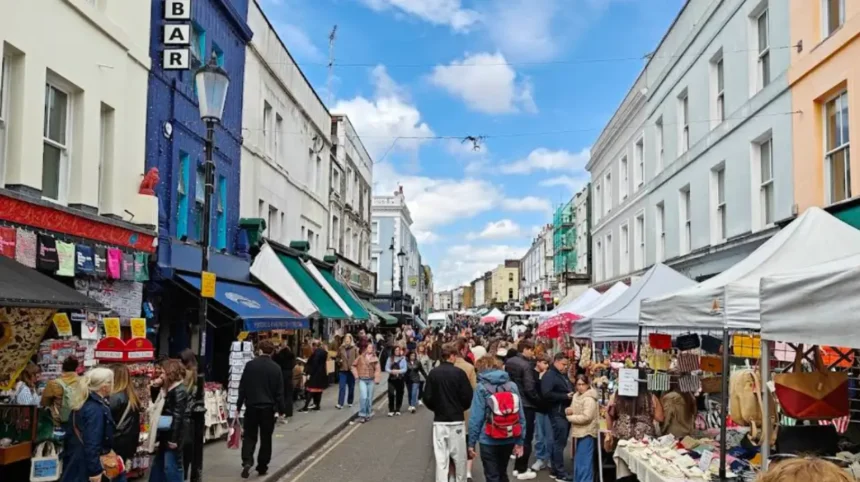
Portobello Road Market is a multi-section street market in Notting Hill with over 2,000 stalls, offering fresh produce, street food, and specialist foods alongside antiques and second-hand goods.
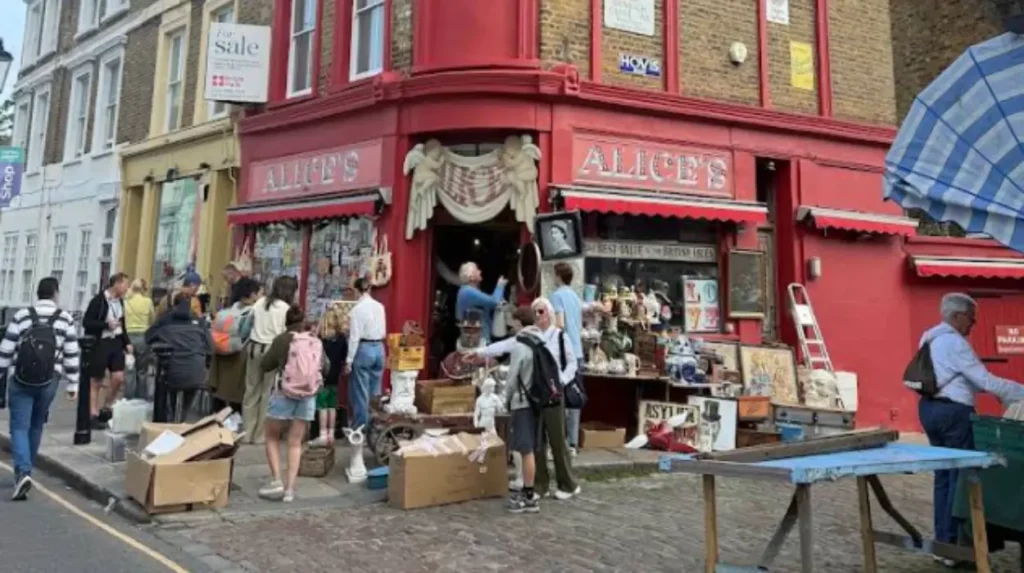
Portobello Road Market spans nearly one mile along Portobello Road and divides into specialist areas: antiques and vintage, clothing, and daily food stalls. The food section includes independent greengrocers, bakers selling sourdough and pastries, deli stands with cured meats and cheeses, and seasonal street-food traders offering cuisines such as Caribbean, Middle Eastern, and modern British. Stall numbers and trader mix vary by day; Saturdays have the largest presence of both food and antiques.
What are the characteristics of farmers’ markets in West London?
Farmers’ markets in West London are producer-only markets where registered growers and producers sell fresh seasonal produce, meat, dairy, baked goods, and prepared food directly to the public.
Farmers’ markets such as Notting Hill Farmers’ Market (since 1999) and Ealing Farmers’ Market (since 2001) limit stalls to local producers to guarantee traceability and provenance. These markets operate on fixed weekly schedules—Notting Hill Farmers’ Market typically runs Saturdays 10:00–14:00, while Ealing Farmers’ Market runs Saturdays 09:00–13:00—and they emphasize seasonal British produce, pasture-reared meat, artisan cheeses, and small-batch bakery items. Producers must meet market regulations for food safety and labelling, enforced by market organisers and local authorities.
Which West London markets are best for street food and ready-to-eat options?
Maltby Street Market and nearby urban food hubs are noted for street food, while Portobello Road Market also features substantial ready-to-eat stalls on busy days.
Although Maltby Street Market sits slightly east of West London, it remains a major London food destination for street food, rotating vendors such as artisan grill kitchens, paella stands, and global snack traders. In West London proper, Portobello Road’s busier days feature numerous ready-to-eat options—patties, crepes, kebabs, Caribbean roti, and contemporary fusion dishes—served by independent traders. Indoor and covered food halls in adjacent central-west neighbourhoods, along with popup markets, increase the range of prepared food on offer throughout the week.
How do local farmers’ markets impact West London food supply chains?
Local farmers’ markets shorten supply chains by connecting producers directly with consumers, increasing product freshness, traceability, and local economic circulation.
Producer-only markets reduce the number of intermediaries between farm and consumer, so products such as vegetables and cheeses move from producer to buyer within 24–72 hours of harvest or production, improving freshness and shelf life. Direct sales increase producer margins and keep a larger share of expenditure within local economies. Markets also support small-scale producers by providing regular retail opportunities and consumer feedback loops that encourage seasonal, sustainable production practices.
What regulations and safety rules apply to West London food markets?
Food markets in West London operate under local authority food-safety regulations, vendor licensing, and market-specific rules for hygiene, labelling, and waste management enforced by councils.
Markets must comply with the UK Food Safety Act 1990 and associated Food Hygiene Regulations administered through local councils; this requires registered food businesses, documentation for allergen labelling, food temperature controls, and regular inspections. Markets also require trading licences or pitch permits; operators must manage waste disposal, recycling, and public-safety measures such as emergency access and electrical safety for mobile catering units.
Which markets specialise in international and ethnic food products?
Portobello Road Market, North End Road Market, and various local indoor arcades supply a wide range of Caribbean, South Asian, Middle Eastern, and European specialty foods.
West London’s demographic mix drives availability of ethnic ingredients: Caribbean grocers sell salted fish, plantain, and scotch bonnet peppers; South Asian stalls stock basmati rice, spices, and ready-made chutneys; Middle Eastern vendors offer olives, halva, and flatbreads; European delicatessens supply cured meats and cheeses. North End Road Market in Fulham has a longstanding reputation for varied international produce and affordable staple goods for multi-ethnic communities.
What are typical opening days and peak times for West London markets?
Most large West London markets operate Monday–Saturday with peak footfall on Saturdays between 10:00 and 15:00; farmers’ markets usually operate Saturdays 09:00–14:00 or 10:00–14:00.
Portobello Road Market is busiest on Saturdays and runs Monday–Saturday with antiques concentrated early-week on specific sections; North End Road Market runs Monday–Saturday with daytime hours often from 09:00 to 17:00. Farmers’ markets commonly open on Saturday mornings, concluding early afternoon to allow producers to return to farms. Regular weekly schedules and market timetables are subject to change for public holidays and local events such as Notting Hill Carnival.
How do West London markets support new food businesses?
Markets provide low-overhead retail opportunities, direct customer testing, and brand exposure for new food businesses and start-up producers.
Food entrepreneurs use market pitches to validate product demand, collect customer data, and iterate product recipes without committing to full-time premises. Markets also enable collaboration with established vendors, supply-chain partnerships with local suppliers, and opportunities to scale from stall to café or retail distribution. Organisers frequently run startup support programmes, pop-up incubators, and promotional events to help traders grow.
What data exist on visitor numbers and economic scale for West London markets?
Official consolidated visitor counts for West London markets vary by market; Portobello Road Market historically supports thousands of weekly visitors with over 2,000 stalls along its route on peak days.
Portobello Road’s stall footprint reaches roughly 2,000 stalls across the full market stretch, producing high weekend visitor numbers in the thousands to tens of thousands depending on season and events. Farmers’ markets typically host 15–50 stalls per event and attract several hundred to a few thousand shoppers per market-day, depending on location and publicity. Economic impact derives from stall rents, visitor spending, and the secondary spending at local cafés and shops.
What are examples of specialty and seasonal offerings at West London markets?
Markets feature season-specific produce (British asparagus April–June; English strawberries May–July), festive baked goods (Christmas mince pies), and seasonal street-food menus (summer grills).
Seasonal British asparagus appears in spring markets between April and June; strawberries dominate May–July; game meat appears in autumn months; and Christmas markets add festive confectionery and cured goods in November–December. Producers label seasonal origin and often provide farm-of-origin details at producer stalls, enabling consumers to choose UK-grown seasonal items.
How does transport and accessibility affect market visits in West London?
Most West London markets are adjacent to Tube or rail stations and rely on local bus routes; pedestrian access and local parking constraints shape visitor profiles.
Portobello Road is accessible from Notting Hill Gate, Ladbroke Grove, and Westbourne Park stations, drawing both local and tourist footfall. North End Road Market benefits from proximity to Fulham Broadway and West Kensington stations. Markets in outer West London such as Ealing Farmers’ Market rely on local road access and limited parking, which encourages frequent local shopper attendance. Public-transport links are a primary driver of market footfall and trading hours.
Explore More Area Guide
Afternoon Tea in West London: Best Spots, Traditions, and What to Expect
West London Rooftop Bars: Best Views, Drinks and Venues
What future trends will affect West London food markets?
Trends shaping West London markets include increased demand for local provenance, zero-waste packaging, online pre-ordering, and hybrid market-to-delivery services.
Consumers prefer traceable, locally produced foods, prompting more producer transparency and farm-to-stall labelling. Markets adopt sustainable packaging rules and introduce click-and-collect or market delivery services to accommodate time-constrained shoppers. Urban development and rising retail rents can pressure stall costs, while council-led market-support programmes and destination marketing sustain market viability.
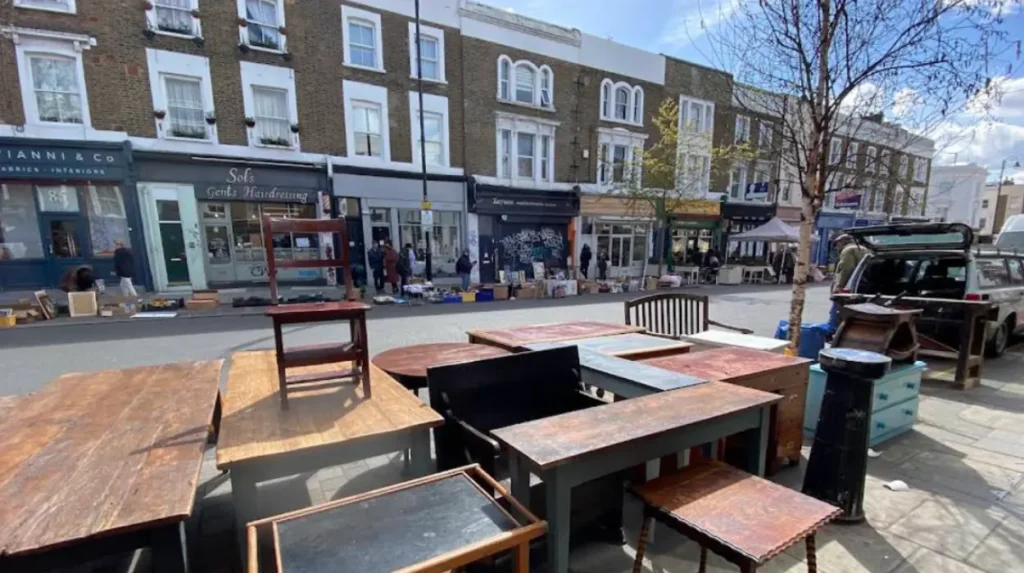
What is North End Road Market known for?
North End Road Market in Fulham is known for affordable fresh produce, diverse ethnic groceries, and a long history as a local high street market operating Monday–Saturday.
North End Road Market supplies vegetables, fruits, baked goods, and international staples for neighbouring communities in Fulham and West Kensington. The market’s long-standing vendor base supports weekly shoppers with competitive pricing and a broad ethnic range of products reflecting local demographics.
What practical tips should residents use when shopping West London markets?
Arrive early on market days for the best produce selection, carry cash and contactless payment options, and check market-specific opening times and allergy labelling before purchase.
Early arrival (08:30–10:30) secures freshly delivered produce before midday sell-outs. Many markets accept contactless payments now, but small producers sometimes prefer cash; bring a reusable bag for purchases to reduce packaging. Check stall signage for allergen and origin information required under UK labelling laws; for bulk orders, contact producers in advance to confirm availability.
What are the main food markets in West London?
The main food markets in West London include Portobello Road Market, Notting Hill Farmers’ Market, North End Road Market, Marylebone Farmers’ Market, and Ealing Farmers’ Market. These markets offer fresh produce, artisan foods, street food, baked goods, and specialty groceries.