River walks are pedestrian routes located beside flowing waterways that provide access to landscapes, wildlife habitats, heritage locations, and urban environments. In West London, these walks are mainly concentrated around the River Thames, the Grand Union Canal, the River Crane, and connected water systems.
- Why Are River Walks Popular in West London?
- Which River Walks Are the Best in West London?
- What Historical Importance Do West London River Walks Have?
- What Wildlife Can Visitors See Along West London River Walks?
- How Long Are the Main River Walks in West London?
- What Attractions Are Located Near West London River Walks?
- How Are West London River Walks Maintained and Protected?
- When Is the Best Time to Visit West London River Walks?
- What Makes West London River Walks Important for the Future?
West London contains some of the most significant riverside landscapes in Greater London. The area stretches across boroughs including Richmond upon Thames, Hounslow, Ealing, fulham/hammersmith/">hammersmith-and-fulham/">Hammersmith and Fulham, Hillingdon, and Hammersmith. These boroughs contain historic riverside settlements, protected green spaces, and internationally recognised attractions.
The River Thames forms the central geographical feature of West London. The river has influenced settlement patterns, trade, transport, and recreation for thousands of years. Today, its riverbanks provide walking paths used by residents, tourists, cyclists, and nature enthusiasts.
River walks in West London serve several purposes. They support outdoor recreation, encourage sustainable travel, protect natural habitats, and connect communities with local history. Many routes form part of wider walking networks managed by local councils and environmental organisations.
The popularity of riverside walking increased significantly as London expanded its public parks and open spaces. Modern river walks combine historical landscapes with contemporary urban facilities, creating accessible routes for different age groups and abilities.
Why Are River Walks Popular in West London?
River walks in West London are popular because they provide accessible outdoor spaces, historic scenery, wildlife observation opportunities, and peaceful routes near major urban areas, allowing people to experience nature and heritage without leaving London.
West London has a unique relationship with waterways because its rivers and canals developed alongside residential districts, royal estates, industrial areas, and transport networks. The combination of natural and built environments makes riverside walking a major leisure activity.
The River Thames attracts visitors because it passes through areas with significant cultural importance. Locations such as Richmond Riverside, Kew Gardens, and Hampton Court Palace are connected with centuries of royal, architectural, and environmental history.
The popularity of river walks also comes from accessibility. Many routes connect directly with London Underground stations, railway stations, and bus networks. This allows visitors to reach countryside-style environments within a short journey from central London.
Walking beside waterways provides physical and mental health benefits. Research from public health organisations shows that regular walking improves cardiovascular health, supports weight management, and increases exposure to natural environments. Green and blue spaces, including parks and rivers, contribute to improved wellbeing.
West London river walks also support tourism. Visitors use these routes to explore attractions, local cafés, historic buildings, and conservation areas. The routes provide an alternative way to experience London beyond traditional city landmarks.
Which River Walks Are the Best in West London?
The best river walks in West London include Richmond Riverside, Kew to Richmond, Hammersmith to Chiswick, Barnes Riverside, Brentford Canal routes, and Hampton Court pathways because they combine scenery, history, wildlife, and accessible walking conditions.
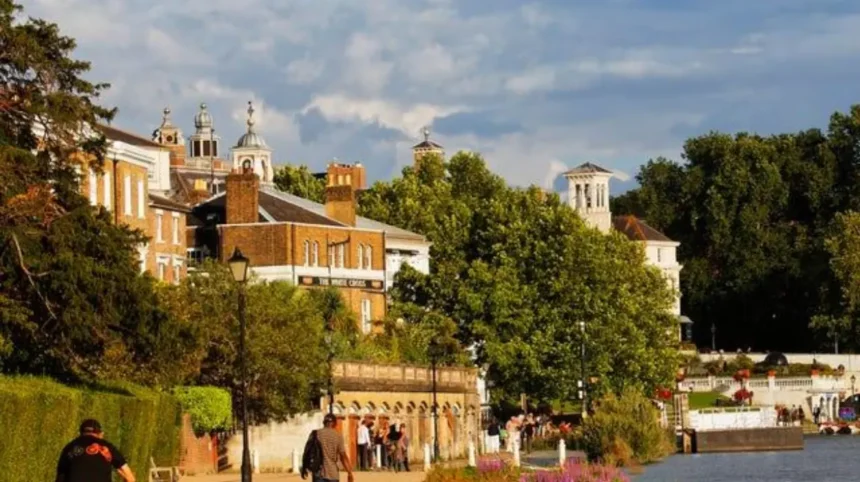
Richmond Riverside is one of the most recognised Thames walking areas in West London. Located within the London Borough of Richmond upon Thames, the route follows the River Thames through a landscape shaped by historic buildings, parks, and riverside communities.
The Richmond to Kew walk connects two internationally important destinations. The route passes through riverside paths near the Royal Botanic Gardens, Kew, a UNESCO World Heritage Site known for its plant collections, historic structures, and scientific research.
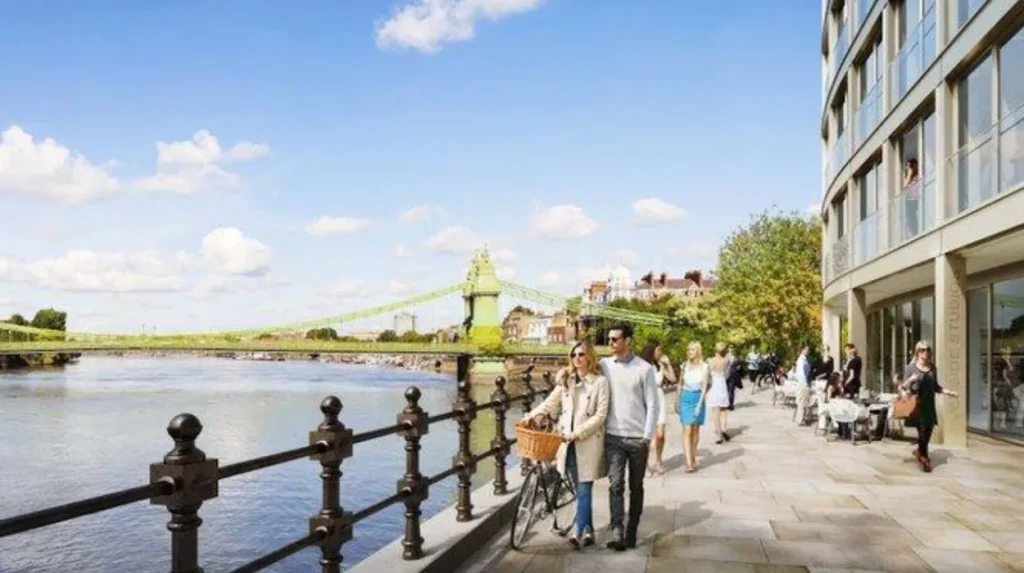
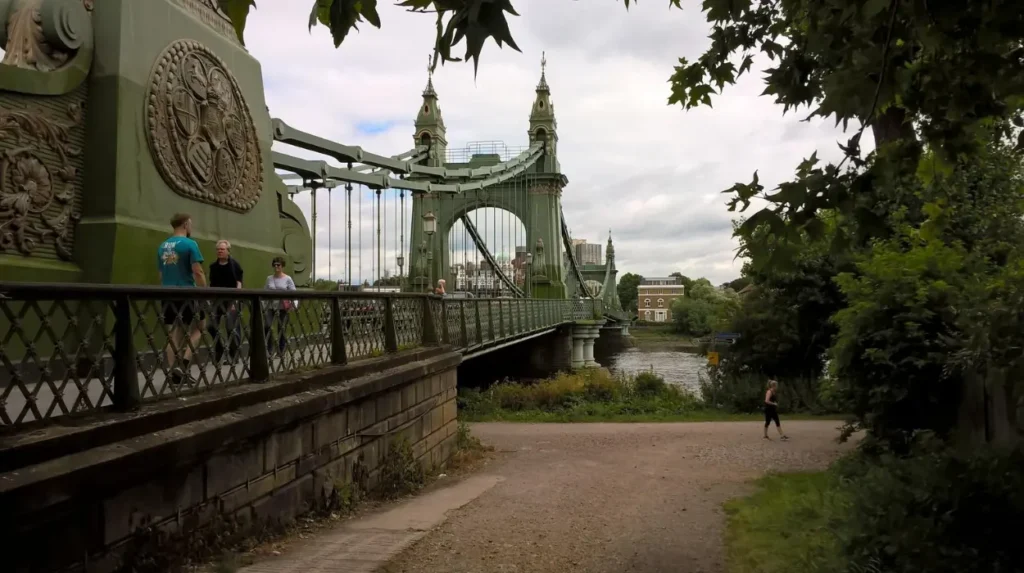
The Hammersmith to Chiswick riverside route follows the northern bank of the River Thames. It passes landmarks including Hammersmith Bridge, a suspension bridge completed in 1887, and Chiswick House and Gardens, an 18th-century villa surrounded by landscaped gardens.
The Barnes Riverside walk provides a quieter environment compared with central Thames locations. Barnes is known for its village atmosphere, riverside views, and proximity to the London Wetland Centre, an important urban wildlife reserve.
The Brentford area offers a combination of river and canal walking. Brentford connects the River Thames with the Grand Union Canal, creating routes influenced by London’s industrial transport history.
The Hampton Court Riverside route combines natural landscapes with royal heritage. Hampton Court Palace, originally developed for Cardinal Thomas Wolsey and later associated with King Henry VIII, remains one of England’s most important historic buildings.
What Historical Importance Do West London River Walks Have?
West London river walks reflect centuries of history because waterways shaped trade, royal development, transport systems, industrial growth, and settlement patterns from the Roman period through modern London expansion.
The River Thames has been a major transport route since ancient times. Archaeological evidence shows human activity along the Thames corridor dating back thousands of years, with communities developing around access to water, agriculture, and trade.
During the medieval period, the Thames supported commerce between settlements across southern England. Rivers provided transportation routes for goods including timber, grain, and building materials.
West London gained particular historical importance through royal connections. Richmond Palace, established by Henry VII in the late 15th century, became an important royal residence. The surrounding Thames landscape influenced the development of parks, estates, and walking routes.
The 18th and 19th centuries transformed West London waterways. Industrial growth increased the importance of canals, including the Grand Junction Canal, which opened in 1805 and later became part of the Grand Union Canal network.
Canals changed the movement of goods across London. Coal, agricultural products, and construction materials travelled through waterways before railway expansion reduced commercial canal traffic.
The decline of industrial river use created opportunities for recreation and conservation. Former working waterways became public spaces where walking, wildlife protection, and heritage preservation became central priorities.
What Wildlife Can Visitors See Along West London River Walks?
Visitors on West London river walks can observe wildlife including swans, herons, ducks, bats, fish, insects, and riverside plants because Thames habitats, wetlands, parks, and conservation areas support diverse urban ecosystems.
West London waterways contain important habitats despite being surrounded by dense urban development. Riverbanks, wetlands, and parks provide shelter and feeding areas for many species.
The River Thames supports aquatic wildlife including fish species such as roach, perch, and eel. River restoration projects have improved water quality and habitat conditions in several sections of the Thames.
Birdlife is one of the most visible features of West London river walks. Species commonly seen include mute swans, grey herons, Canada geese, cormorants, and kingfishers.
The London Wetland Centre in Barnes represents one of the most significant urban wetland environments in the region. The reserve covers approximately 105 acres and provides habitats for birds, amphibians, insects, and wetland plants.
Kew and Richmond areas contain important green corridors. These corridors allow wildlife movement between parks, gardens, riversides, and protected landscapes.
Seasonal changes influence wildlife activity. Spring brings increased bird nesting and plant growth, while autumn creates opportunities to observe migrating species and changing river landscapes.
How Long Are the Main River Walks in West London?
The main West London river walks range from short one-mile routes to longer journeys exceeding ten miles, with distances depending on locations such as Richmond, Kew, Chiswick, Hammersmith, Barnes, and Hampton Court.
Walking distances vary because West London contains connected riverside paths rather than one single continuous route. Visitors can select short urban walks or longer countryside-style journeys.
The Richmond to Kew riverside walk covers approximately four miles. It provides a manageable route connecting two major attractions while offering views across the Thames landscape.
The Hammersmith to Chiswick route covers around three miles depending on the selected pathway. It combines riverside scenery with historic architecture and local neighbourhoods.
The Barnes and Putney riverside sections allow flexible walking distances. Visitors can create shorter circular routes or extend journeys through connected parks and Thames paths.
The Hampton Court to Richmond route provides a longer Thames experience. The distance is approximately seven miles and passes through riverside landscapes, parks, and historic areas.
Long-distance walkers can connect sections of the Thames Path National Trail. The Thames Path follows the River Thames from its source in Gloucestershire to the Thames Barrier in London, covering approximately 184 miles.
What Attractions Are Located Near West London River Walks?
West London river walks connect with major attractions including Kew Gardens, Hampton Court Palace, Richmond Park, Chiswick House, Syon Park, and historic bridges, creating routes that combine recreation with cultural exploration.
The Royal Botanic Gardens, Kew, is one of the most important botanical institutions in the world. Founded in the 18th century, Kew contains extensive plant collections, scientific research facilities, and historic landscapes.
Hampton Court Palace represents Tudor and later royal history. The palace includes state apartments, gardens, and the famous Hampton Court maze.
Richmond Park is one of London’s largest Royal Parks, covering approximately 2,500 acres. It is famous for ancient trees, grasslands, and a large population of free-roaming deer.
Chiswick House and Gardens contains an important example of 18th-century neo-Palladian architecture. The estate demonstrates the influence of classical design on British landscape planning.
Syon Park in Brentford combines historic buildings, gardens, and riverside landscapes. The site has connections with the Percy family and contains a historic conservatory.
Riverside bridges also contribute to the character of West London walks. Structures such as Richmond Bridge and Hammersmith Bridge represent important examples of London engineering history.
How Are West London River Walks Maintained and Protected?
West London river walks are maintained through local council management, environmental conservation projects, public access planning, and river protection programmes that preserve pathways, habitats, and historic landscapes for future generations.
Maintenance responsibilities are shared between local authorities, environmental organisations, landowners, and national agencies. These groups manage paths, vegetation, signage, safety measures, and conservation activities.
The River Thames requires continuous environmental management because it passes through one of Europe’s largest metropolitan areas. Water quality monitoring, flood management, and habitat improvement programmes support river health.
Flood protection is a major consideration for riverside areas. West London communities use flood management strategies to reduce risks from rising water levels and extreme weather events.
Conservation projects focus on improving biodiversity. These projects include creating wildlife habitats, planting native vegetation, and restoring riverbank environments.
Public access improvements help more people use river routes safely. Better signage, accessible paths, and connections with public transport increase the usability of riverside spaces.
Climate change creates new challenges for waterways. Rising temperatures, increased rainfall, and changing ecosystems require continued adaptation and environmental planning.
Explore More Area Guide
Historic Attractions in West London 2026 | Heritage Guide
Best Outdoor Activities, Richmond Park & Thames Walks West London 2026
When Is the Best Time to Visit West London River Walks?
The best time to visit West London river walks is during spring, summer, and early autumn when daylight hours are longer, wildlife activity increases, and outdoor conditions support comfortable walking experiences.
Spring provides opportunities to observe flowering plants, nesting birds, and fresh greenery along riverbanks. Parks and gardens near waterways become especially active during this period.
Summer offers the longest daylight hours and allows visitors to complete longer routes. Riverside cafés, public spaces, and attractions operate with extended seasonal opening times.
Early autumn provides cooler temperatures and changing landscapes. Trees along the Thames and canal routes display seasonal colours, creating different scenery compared with summer months.
Winter river walks remain valuable because quieter pathways allow visitors to experience historic landscapes with fewer crowds. However, shorter daylight hours require careful planning.
Weather conditions influence walking experiences throughout the year. Waterproof clothing, suitable footwear, and awareness of river conditions improve safety and comfort.
What Makes West London River Walks Important for the Future?
West London river walks remain important because they support sustainable transport, public health, biodiversity protection, climate adaptation, and community access to natural spaces within a growing urban environment.
As London’s population continues to grow, access to open spaces becomes increasingly important. Riverside paths provide recreational areas without requiring long-distance travel.
River walks contribute to sustainable transport by creating walking connections between residential areas, transport stations, parks, and local facilities.
Blue and green spaces play an important role in urban climate management. Rivers, trees, and vegetation help reduce heat impacts and support ecological balance.
Future investment in river restoration and public access will strengthen the role of West London waterways. Improvements in biodiversity, accessibility, and environmental protection will continue shaping these landscapes.
West London river walks represent the connection between natural environments, historical development, and modern urban life. They provide residents and visitors with routes that preserve the region’s waterways while supporting recreation, conservation, and cultural understanding.
What are the best river walks in West London?
The best river walks in West London include Richmond Riverside, Kew to Richmond along the River Thames, Hammersmith to Chiswick Riverside, Barnes Riverside, Brentford Canal routes, and Hampton Court riverside paths. These routes combine scenic views, wildlife, historic landmarks, and accessible walking trails.