West London is one of the capital’s most environmentally diverse areas, combining urban landscapes with large green spaces, waterways, and protected natural areas. The region covers boroughs including fulham/hammersmith/">hammersmith-and-fulham/">Hammersmith and Fulham, Ealing, Hounslow, Richmond upon Thames, Hillingdon, Hammersmith, and Kensington and Chelsea.
- Why is West London known for its outdoor spaces?
- Which parks are the best places for outdoor activities in West London?
- What outdoor activities can families enjoy in West London?
- Where can people go walking and hiking in West London?
- What cycling opportunities exist in West London?
- Which water-based outdoor activities are available in West London?
- Where can people experience wildlife and nature in West London?
- How do sports and fitness activities work in West London outdoor spaces?
- How does outdoor recreation benefit West London communities?
- What is the future of outdoor activities in West London?
Outdoor recreation in West London developed around historic estates, royal landscapes, and the River Thames. Today, these spaces support public wellbeing, biodiversity conservation, tourism, and community activities. The area contains some of London’s most recognised outdoor destinations, including Richmond Park, Kew Gardens, Bushy Park, and the Grand Union Canal.
The growth of outdoor activities reflects changing urban lifestyles. Residents and visitors increasingly use green spaces for physical exercise, relaxation, environmental education, and social connection. Research from public health organisations identifies access to natural environments as an important factor supporting physical activity and mental wellbeing.
West London’s outdoor environment includes formal gardens, open grasslands, woodland areas, wetlands, riverside paths, and recreational parks. Each landscape provides different experiences, from peaceful nature walks to organised sporting activities.
The region’s outdoor infrastructure includes walking routes, cycling networks, playgrounds, sports grounds, boating facilities, and conservation areas. These facilities create year-round opportunities for people of different ages and abilities.
Why is West London known for its outdoor spaces?
West London is known for its outdoor spaces because it combines historic royal parks, protected landscapes, major waterways, and extensive public gardens that preserve natural environments within one of the world’s largest cities.
The outdoor character of West London developed over centuries through royal ownership, agricultural land management, and urban planning. Many modern parks originated from medieval hunting grounds, private estates, and landscaped gardens created for royal residences.
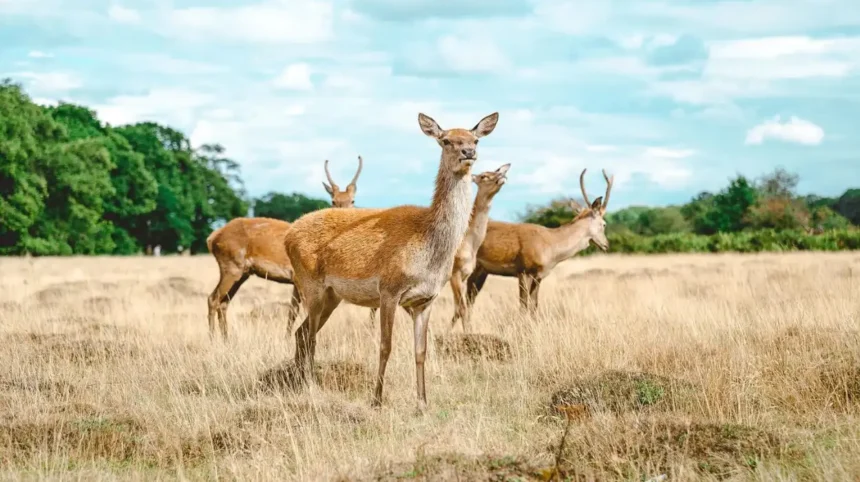
Richmond Park, established as a royal hunting ground by King Charles I in 1637, remains one of the largest enclosed green spaces in London. The park covers approximately 2,500 acres and supports large populations of deer, ancient trees, and diverse wildlife habitats.
Bushy Park, located near Hampton Court Palace, also has royal origins. Created as a hunting landscape, it now provides open fields, woodland areas, water features, and public recreation facilities.
The River Thames forms a major natural feature of West London. Riverside areas such as Richmond, Kew, Chiswick, and Hammersmith provide walking paths, scenic viewpoints, and boating opportunities.
West London’s parks and gardens also contribute to biodiversity. Protected habitats support birds, insects, mammals, and plant species within an urban environment. Conservation programmes maintain these ecosystems while allowing public access.
The combination of history, nature, and accessibility makes West London a significant outdoor destination. Public transport connections allow visitors from across London to reach many outdoor locations without private vehicles.
Which parks are the best places for outdoor activities in West London?
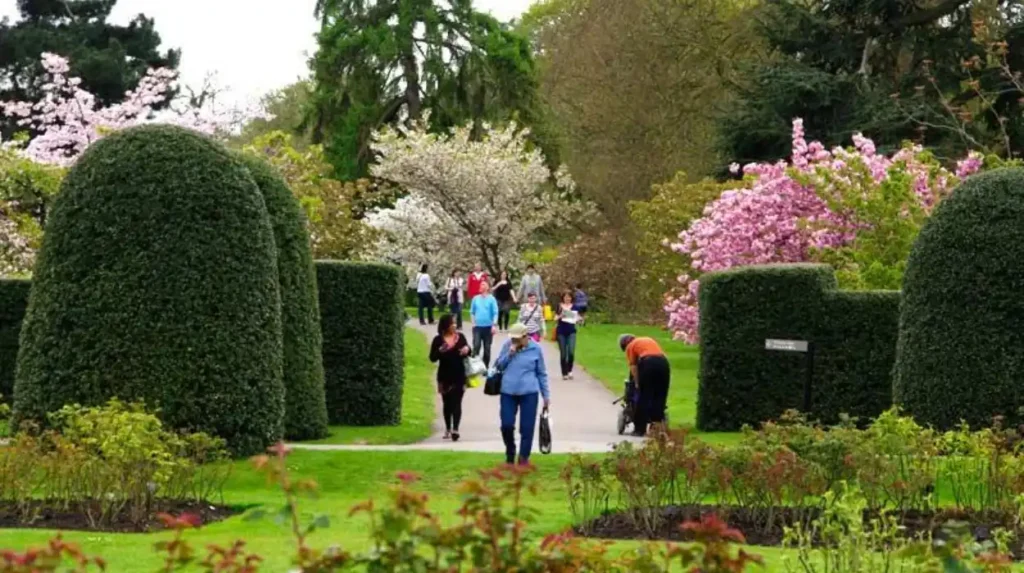
The best parks for outdoor activities in West London include Richmond Park, Bushy Park, Holland Park, Gunnersbury Park, and Osterley Park, offering walking, cycling, wildlife viewing, sports, gardens, and family recreation facilities.
Richmond Park is one of West London’s most important outdoor locations. The park features open grasslands, woodland areas, cycling routes, walking trails, and wildlife habitats. The famous deer population represents one of the park’s defining features.
The park’s landscape supports activities including hiking, photography, birdwatching, running, and nature exploration. Cyclists use designated routes to explore the large open area while avoiding sensitive wildlife zones.
Bushy Park provides another major outdoor destination near Hampton Court. The park contains formal gardens, waterways, playgrounds, sports facilities, and large open spaces. Visitors use the area for walking, jogging, picnics, and wildlife observation.
Holland Park in Kensington offers a different outdoor experience. The park combines woodland, landscaped gardens, sports facilities, and cultural attractions. The Kyoto Garden, opened in 1991, provides a Japanese-style landscaped environment featuring plants, water features, and ornamental design.
Gunnersbury Park in Ealing and Hounslow provides historic landscapes alongside modern recreation facilities. The park includes sports pitches, museums, walking areas, and community spaces.
Osterley Park, managed by the National Trust, surrounds a historic Georgian mansion. The landscape includes gardens, lakes, woodland paths, and open fields suitable for walking and exploration.
What outdoor activities can families enjoy in West London?
Families in West London can enjoy outdoor activities including playground visits, nature walks, cycling, picnics, wildlife discovery, boating, sports, and educational experiences across parks, gardens, and recreational areas.
West London provides many outdoor options designed for children and families. Large parks offer safe open areas where children participate in active play while adults enjoy natural surroundings.
Playgrounds across West London parks include climbing equipment, adventure areas, and creative play spaces. Locations such as Richmond Park, Bushy Park, and Gunnersbury Park provide family-friendly environments with facilities for different age groups.
Nature activities help children understand local ecosystems. Wildlife trails, birdwatching areas, and educational gardens introduce young visitors to plants, animals, and environmental conservation.
Kew Gardens, operated by the Royal Botanic Gardens organisation, provides educational outdoor experiences through plant collections, gardens, glasshouses, and conservation programmes. The site contains one of the world’s largest collections of living plants.
Family cycling is popular across West London because many parks and riverside routes provide relatively accessible paths. The Thames Path and canal routes allow families to explore outdoor areas away from busy roads.
Picnicking remains a traditional outdoor activity in West London parks. Open grass areas in Richmond Park, Bushy Park, and other green spaces provide designated locations for outdoor meals and social gatherings.
Outdoor activities also support children’s physical development. Regular movement, exploration, and active play contribute to healthier lifestyles and stronger connections with nature.
Where can people go walking and hiking in West London?
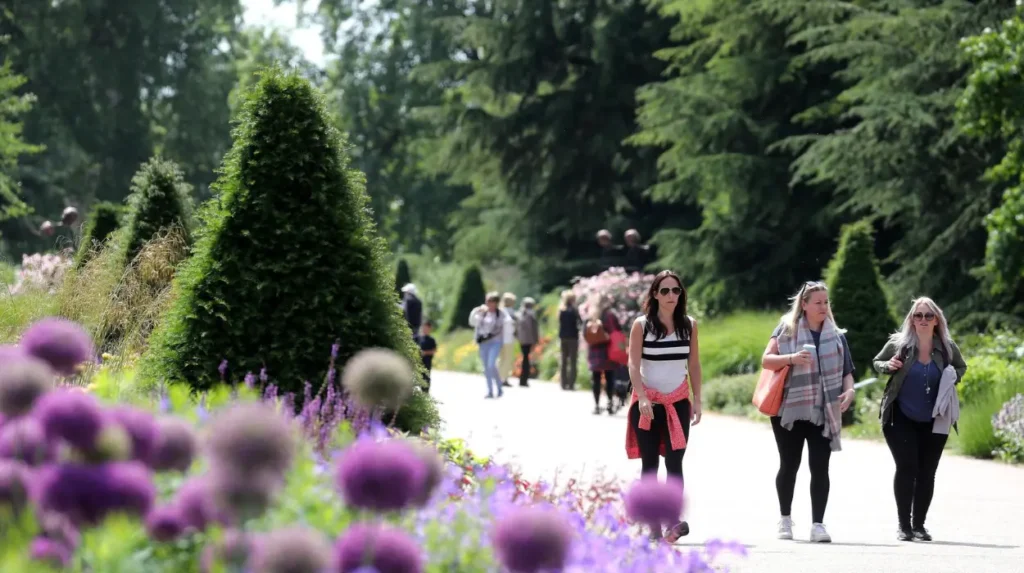
People can go walking and hiking in West London along Richmond Park trails, the Thames Path, Grand Union Canal routes, Ealing green corridors, and woodland paths that connect natural landscapes with urban communities.
Walking is one of the most accessible outdoor activities in West London. The region contains hundreds of kilometres of paths across parks, riversides, canals, and residential green spaces.
The Thames Path is one of the most important walking routes in the area. This national trail follows the River Thames and passes through locations including Richmond, Kew, Chiswick, and Hammersmith.
Richmond Park provides longer walking routes through open countryside-style landscapes. Visitors experience grasslands, woodlands, ponds, and historic views while remaining within Greater London.
The Grand Union Canal offers a different walking environment. The canal connects waterways, industrial heritage sites, and urban neighbourhoods. Canal paths provide flat walking routes suitable for casual walkers and regular commuters.
Ealing’s green spaces include parks and local walking routes that connect communities with nature. These areas demonstrate how urban planning integrates recreation with environmental protection.
Walking routes in West London support tourism and local recreation. They provide opportunities for exercise, photography, wildlife observation, and historical exploration.
What cycling opportunities exist in West London?
West London provides cycling opportunities through dedicated cycle routes, park roads, riverside paths, canal trails, and cycling networks connecting residential areas with major outdoor destinations.
Cycling has become an important outdoor activity across West London due to expanding infrastructure and demand for sustainable transport. The region offers routes suitable for leisure cyclists, commuters, and experienced riders.
Richmond Park is a popular cycling destination because of its large circular routes and scenic environment. Cyclists use the park for recreational rides, endurance training, and nature-focused journeys.
The Thames Path provides riverside cycling opportunities in several sections. Cyclists experience historic locations, waterfront landscapes, and connections between neighbourhoods.
Canal routes around the Grand Union Canal offer quieter cycling environments. These paths connect areas such as Paddington, Hammersmith, Ealing, and Hillingdon.
London’s cycling infrastructure has expanded through protected cycle lanes and borough-level improvements. These developments encourage more residents to choose bicycles for recreation and transport.
Cycling benefits local communities by reducing congestion, increasing physical activity, and improving connections between green spaces.
Which water-based outdoor activities are available in West London?
Water-based outdoor activities in West London include rowing, kayaking, paddle sports, boating, riverside walking, and canal exploration along the River Thames and connected waterways.
The River Thames provides the foundation for many outdoor water activities in West London. The river has influenced the region’s history, economy, and recreation for centuries.
Rowing is a major Thames-based activity. Several rowing clubs operate along the river, particularly around Richmond and Chiswick. These organisations provide training, competitions, and community participation.
Kayaking and paddle sports are available through organised clubs and activity providers. Participants explore sections of the river while following safety regulations and navigation requirements.
Boating remains connected with West London’s heritage. The Thames supports leisure cruises, small recreational boats, and traditional river activities.
The Grand Union Canal provides another water environment. Canal boats, wildlife observation, and waterside walks allow visitors to experience a slower pace of outdoor recreation.
Water activities contribute to environmental awareness because participants directly experience aquatic ecosystems and river landscapes.
Where can people experience wildlife and nature in West London?
People can experience wildlife and nature in West London through Richmond Park, Kew Gardens, London Wetland Centre, Bushy Park, and local nature reserves that protect important urban habitats.
West London contains valuable natural habitats despite its urban location. Conservation areas protect woodland, wetlands, grasslands, and waterways that support wildlife.
Richmond Park provides habitat for deer, birds, insects, and ancient trees. The park’s conservation management protects biodiversity while maintaining public access.
The London Wetland Centre in Barnes is a major urban wildlife reserve. Managed wetlands attract water birds and provide environmental education opportunities.
Kew Gardens contributes to global plant conservation through scientific research, seed banking, and botanical collections. The gardens support understanding of plant diversity and climate challenges.
Local nature reserves provide smaller-scale wildlife experiences. These areas protect habitats for insects, amphibians, birds, and native plants.
Nature activities in West London encourage environmental awareness. Visitors learn about ecosystems, conservation challenges, and the importance of protecting urban biodiversity.
How do sports and fitness activities work in West London outdoor spaces?
Outdoor sports and fitness activities in West London include running, football, tennis, cricket, cycling, outdoor exercise classes, and recreational training across public parks and dedicated facilities.
Public parks across West London provide spaces for organised and informal sports. Football pitches, tennis courts, cricket grounds, and multi-use areas support community participation.
Running is particularly popular in parks such as Richmond Park and Bushy Park. Large open areas provide routes for beginners, recreational runners, and organised events.
Outdoor fitness classes operate in many parks, combining exercise with natural environments. Activities include yoga, group training, and functional fitness sessions.
Sports facilities support community health by encouraging regular physical activity. Local councils manage many public recreation areas to improve access to exercise opportunities.
Outdoor sports also strengthen community connections. Clubs and local groups use parks as meeting places for training, competitions, and social activities.
Explore More Area Guide
Rainy Day Activities in West London: Indoor Ideas for Families and Adults
Homeprotect Ranks Harrow Highest-Risk Area for Homebuyers, Harrow 2026
How does outdoor recreation benefit West London communities?
Outdoor recreation benefits West London communities by improving physical health, supporting mental wellbeing, protecting nature, strengthening social connections, and creating accessible spaces for recreation and environmental education.
Green spaces play an important role in urban quality of life. They provide areas where residents escape dense city environments and engage in physical activities.
Regular outdoor activity supports cardiovascular health, mobility, and overall fitness. Walking, cycling, and sports provide practical ways for people to maintain active lifestyles.
Natural environments also support psychological wellbeing. Research into urban green spaces highlights connections between access to nature and reduced stress levels.
Outdoor spaces contribute to environmental protection. Parks, gardens, and reserves preserve habitats, improve air quality, and support climate adaptation strategies.
Community events, sports clubs, and outdoor programmes create social connections. These activities bring together residents from different backgrounds through shared experiences.
What is the future of outdoor activities in West London?
The future of outdoor activities in West London focuses on sustainable recreation, improved green infrastructure, biodiversity protection, active travel networks, and greater public access to natural spaces.
West London continues developing strategies that connect people with outdoor environments. Urban planning increasingly recognises the importance of parks, waterways, and green corridors.
Climate adaptation is becoming a key focus. Green spaces help manage extreme weather impacts by supporting natural drainage, reducing urban heat, and protecting ecosystems.
Future improvements include better walking routes, cycling connections, habitat restoration, and sustainable visitor management. These developments balance public recreation with environmental protection.
Technology also influences outdoor experiences. Digital maps, nature apps, and online information systems help visitors discover routes and understand local environments.
West London’s outdoor spaces remain important resources for residents and visitors. Their combination of history, biodiversity, recreation, and accessibility ensures continued relevance for future generations.
What are the best outdoor activities in West London?
The best outdoor activities in West London include walking in Richmond Park, cycling along the Thames Path, exploring Kew Gardens, visiting wildlife reserves, enjoying water activities on the River Thames, and participating in outdoor sports across local parks.