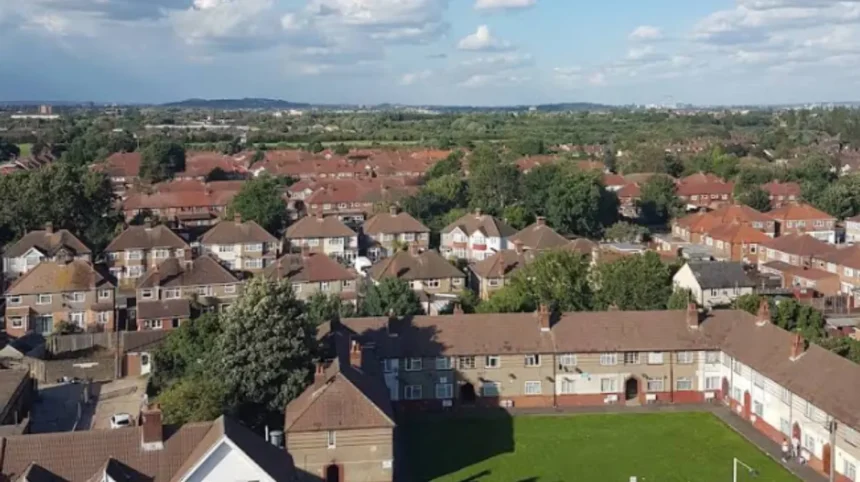
Living in West London means living in a broad and varied part of the capital with strong transport links, established neighbourhoods, green spaces, and a mix of inner-city and suburban lifestyles. It includes areas that range from premium central districts to family-friendly outer boroughs, so the experience changes a lot from one neighbourhood to another.
- What is West London?
- Why do people live in West London?
- Which boroughs make up West London?
- What is daily life like in West London?
- How does transport work in West London?
- What is housing like in West London?
- Which areas are best for families?
- Which areas suit professionals?
- What are the main landmarks and attractions?
- How diverse is West London?
- Is West London a good long-term place to live?
- What should someone know before moving there?
What is West London?
West London is the western side of Greater London, made up of multiple boroughs and neighbourhoods with different housing styles, transport links, and local identities. It is not one single district, but a large residential and commercial region with shared westward geography.
West London is defined more by planning, travel, and local character than by a single border. It includes busy urban zones, quieter suburban streets, riverside neighbourhoods, and major commercial centres. This makes it one of the most diverse parts of the city to live in.
The area has long been associated with strong residential demand, good access to central London, and a mix of traditional and modern housing. That combination gives it wide appeal across different income groups and household types.
Why do people live in West London?
People live in West London because it offers convenience, variety, and access to jobs, transport, schools, parks, and shopping. It suits professionals, families, and long-term residents who want strong everyday infrastructure.
A major reason is transport. West London has direct Tube, rail, bus, and road connections that make commuting easier. Many residents choose the area because they can reach central London or other parts of the city without long travel times.
Another reason is lifestyle. Some neighbourhoods feel urban and fast-paced, while others feel calmer and more residential. That range allows people to choose an area that fits their daily routine, budget, and personal priorities.
Which boroughs make up West London?
West London includes boroughs such as Ealing, fulham/hammersmith/">hammersmith-and-fulham/">Hammersmith and Fulham, Brent, Hounslow, Hillingdon, Harrow, Kensington and Chelsea, and Richmond upon Thames. These boroughs form the core western section of Greater London.
Each borough has a different character. Kensington and Chelsea is known for premium property and central convenience. Richmond upon Thames is known for open space, riverside living, and a quieter residential feel. Ealing, Hounslow, Harrow, and Hillingdon offer more suburban living with strong commuter access.
Brent and Hammersmith and Fulham add more urban density and a busier feel. Together, these boroughs show how West London works as a large living region rather than a single neighbourhood.
What is daily life like in West London?
Daily life in West London is shaped by commuting, local shopping streets, neighbourhood centres, schools, parks, and access to major London destinations. Most residents rely on a mix of public transport and local services for everyday routines.
Many areas have strong high streets where people can shop, eat, and handle basic errands close to home. This reduces the need to travel far for daily life. It also gives each neighbourhood a distinct identity.
West London also has a strong leisure culture. Parks, riverside walks, restaurants, sports venues, and cultural spaces all contribute to a busy but balanced lifestyle. The area feels practical for weekday living and active at weekends.
How does transport work in West London?
Transport in West London is one of its biggest strengths, with Tube lines, rail routes, buses, and major roads linking neighbourhoods to central London and beyond. This makes the area especially attractive for commuters.
Several parts of West London are served by key Underground and rail connections. These routes connect residential districts to business areas, shopping centres, and transport hubs. The result is a relatively efficient travel pattern compared with many other parts of the city.
Road access is also important. Major routes help residents move across London, though congestion remains a normal part of city life. For many households, the main transport question is not whether the area is connected, but how close the nearest station or route is.
What is housing like in West London?
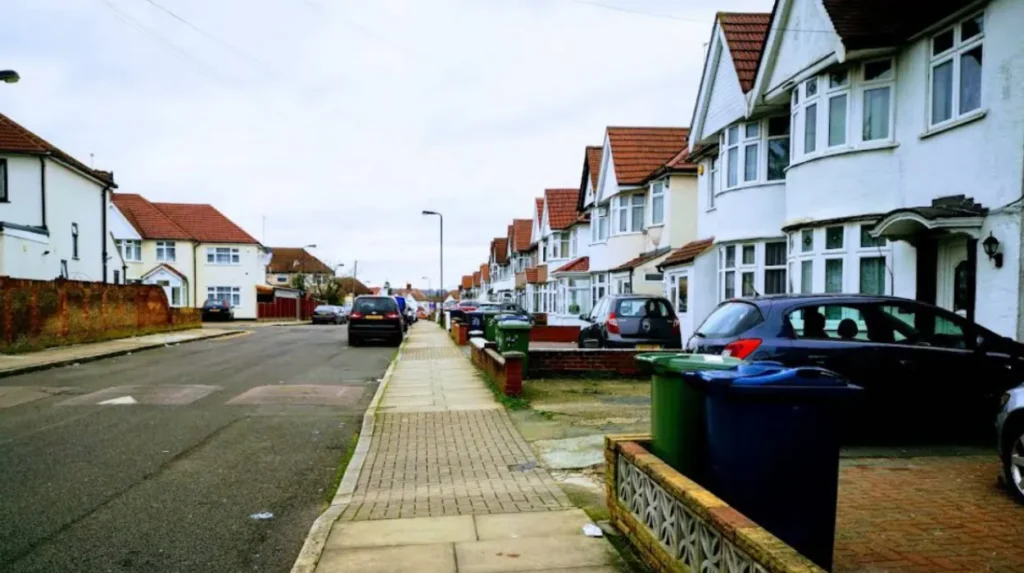
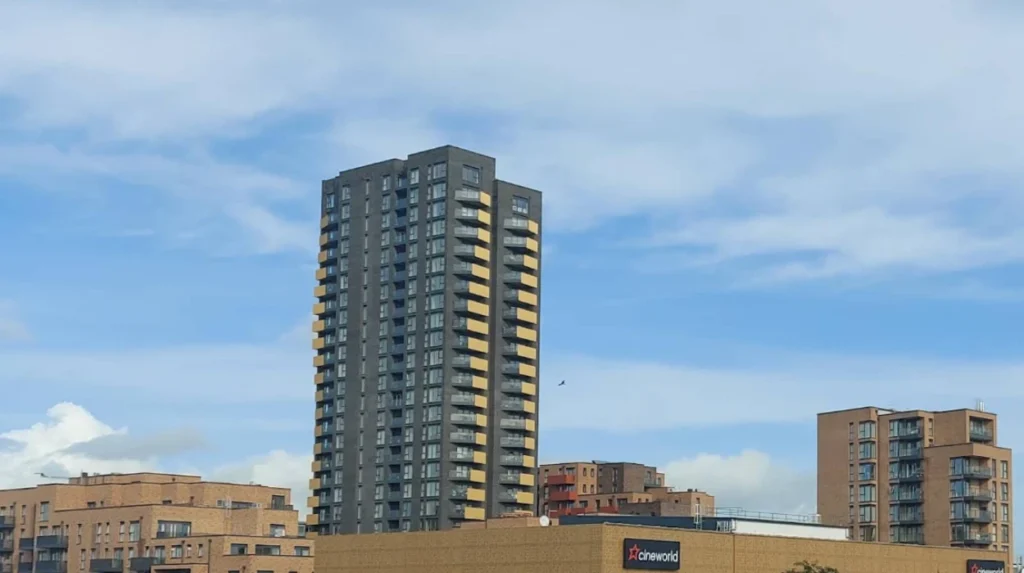
Housing in West London ranges from luxury flats and period terraces to family houses and suburban homes. The area has both high-cost neighbourhoods and more affordable outer districts, which creates a wide housing market.
Inner parts of West London often contain period conversions, apartment blocks, and high-value homes near transport and amenities. These areas tend to suit buyers and renters who prioritise location and convenience.
Outer boroughs usually offer more space, larger homes, and a quieter feel. These places often appeal to families and long-term residents who want better value for money or a more residential environment.
Which areas are best for families?
Family-friendly areas in West London include Richmond upon Thames, Ealing, Harrow, Hounslow, Hillingdon, and parts of Chiswick. These places combine schools, parks, residential streets, and strong local amenities.
Richmond upon Thames stands out for its green space and riverside setting. Ealing is popular for its residential balance and transport links. Harrow and Hillingdon offer more suburban space, while Hounslow provides practical access and a broader housing mix.
Families often choose these areas because everyday life works well there. Schools, shops, parks, and local services are usually close enough to support routine family schedules without heavy dependence on central London.
Which areas suit professionals?
Professional renters and buyers often choose Hammersmith, Fulham, Notting Hill, Shepherd’s Bush, Chiswick, and parts of Ealing. These neighbourhoods offer strong transport links, restaurants, and quick access to central London.
Hammersmith is a major commuter base with a busy commercial feel. Fulham and Notting Hill are popular for their housing style, local amenities, and strong reputation. Shepherd’s Bush combines retail, transport, and urban energy.
Chiswick offers a quieter but still well-connected lifestyle. Ealing also works well for professionals who want a balance between space, transport, and access to the city.
What are the main landmarks and attractions?
West London includes major landmarks such as Kew Gardens, Wembley Stadium, the riverside areas along the Thames, and well-known neighbourhood destinations. These places add cultural, recreational, and historical value to the region.
These landmarks help define West London’s identity. Some are famous globally, while others are locally important because they shape how residents spend their time. Parks, theatres, markets, and riverside walks all add to the area’s appeal.
The attraction of West London is not limited to headline sites. Local high streets, community centres, and neighbourhood parks create the everyday experience that makes the region feel lived in rather than purely commercial.
How diverse is West London?
West London is highly diverse in housing, income levels, neighbourhood character, and community background. It includes wealthy central districts, middle-income commuter areas, and outer suburban communities in one broad region.
This diversity is one of the area’s main strengths. Different boroughs serve different kinds of residents, and even nearby neighbourhoods can feel completely different. That gives people real choice when deciding where to live.
The diversity also appears in shops, food, faith communities, schools, and public spaces. West London is not defined by one single culture or one type of housing. It is defined by variation.
Explore More Area Guide
Best Food Markets in West London for Fresh Produce and Local Flavours
Sunday Roast Spots in West London: Best Pubs and Restaurants
Is West London a good long-term place to live?
West London is a strong long-term place to live because it combines transport, housing variety, green space, and access to the wider capital. It remains attractive to both settled households and mobile professionals.
Its long-term value comes from basic strengths rather than short-term trends. The region has established neighbourhoods, reliable infrastructure, and a wide housing market. That gives residents options as their needs change over time.
West London also keeps evolving through regeneration, new developments, and transport improvements. This helps the area stay relevant while preserving the qualities that have made it desirable for years.
What should someone know before moving there?
Anyone moving to West London should compare boroughs carefully because the area changes a lot from one neighbourhood to another. The most important factors are transport, budget, housing type, and lifestyle fit.
A family may prefer a calmer suburban borough with parks and larger homes. A professional may prefer a busier area with fast access to central London. A buyer may focus on property type and long-term value, while a renter may focus on station access and monthly cost.
The best approach is to treat West London as a group of distinct micro-markets. Each neighbourhood has its own pace, price level, and character, so the right choice depends on how you plan to live every day.
What is West London?
West London is the western part of Greater London, made up of several boroughs and neighborhoods with a mix of residential, commercial, and cultural areas. It includes everything from central urban districts to quieter suburban communities.