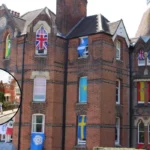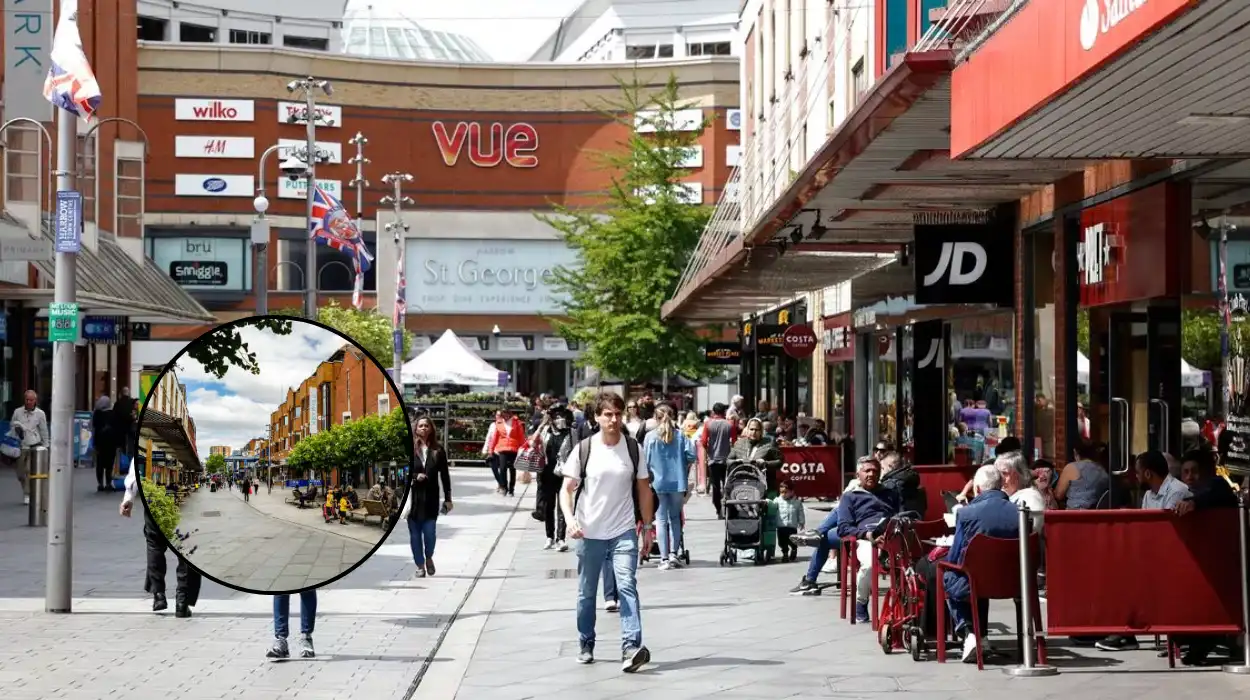
Harrow’s history traces back to the early Middle Ages, originating as a site of pagan religious significance before evolving into a prominent suburban borough of London. Its name, “Harrow,” is derived from an Anglo-Saxon term meaning a heathen or pagan shrine, hinting at its ancient spiritual roots predating Christianity. Over centuries, the area transformed through religious, social, and industrial changes, resulting in a rich tapestry of cultural and historical development that shapes Harrow today.
Early History and Anglo-Saxon Origins
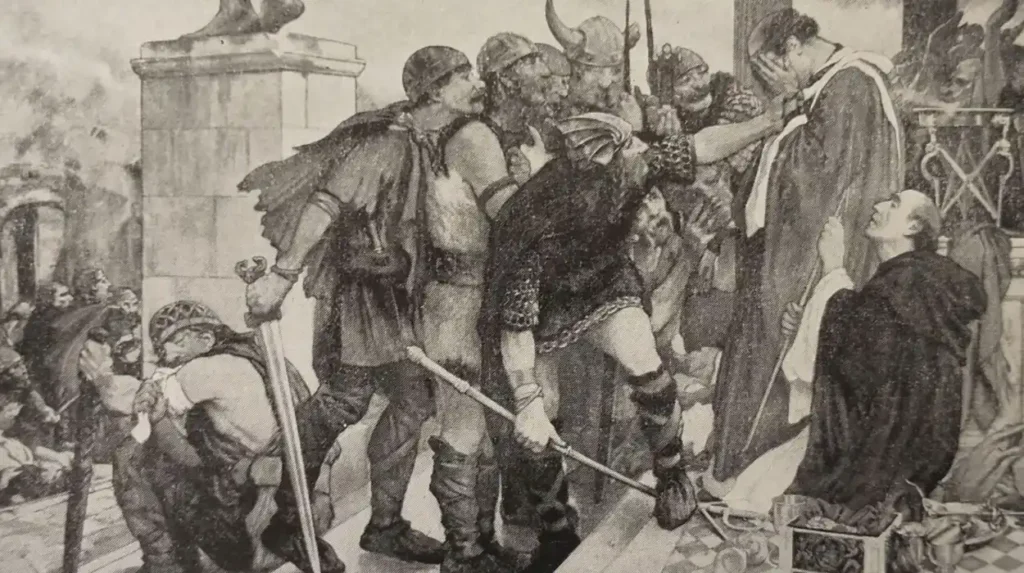
Harrow’s earliest history is tied to the 6th and 7th centuries when the hill now known as Harrow-on-the-Hill became the focal point for an Anglo-Saxon tribe’s religious shrine. This pagan site was later replaced by Christian worship centers during the institutionalization of Christianity across England. The existence of a church atop the hill symbolizes this religious transition, marking the shift from ancient heathen practices to Christian dominance in the region.
Medieval Significance and Landmarks
In the medieval period, Harrow solidified its place through significant events and landmarks. Headstone Manor, established in 1310, stands as a testament to the era’s architectural and social structures. Additionally, the Pinner Fair, which began in 1336 by royal charter, continues to this day, reflecting Harrow’s enduring community traditions. However, the late 14th century also brought turmoil with Harrow witnessing disturbances during the Peasants’ Revolt of 1381, notably with rioters trespassing on the Archbishop of Canterbury’s lands.
Industrial Development and Urbanization
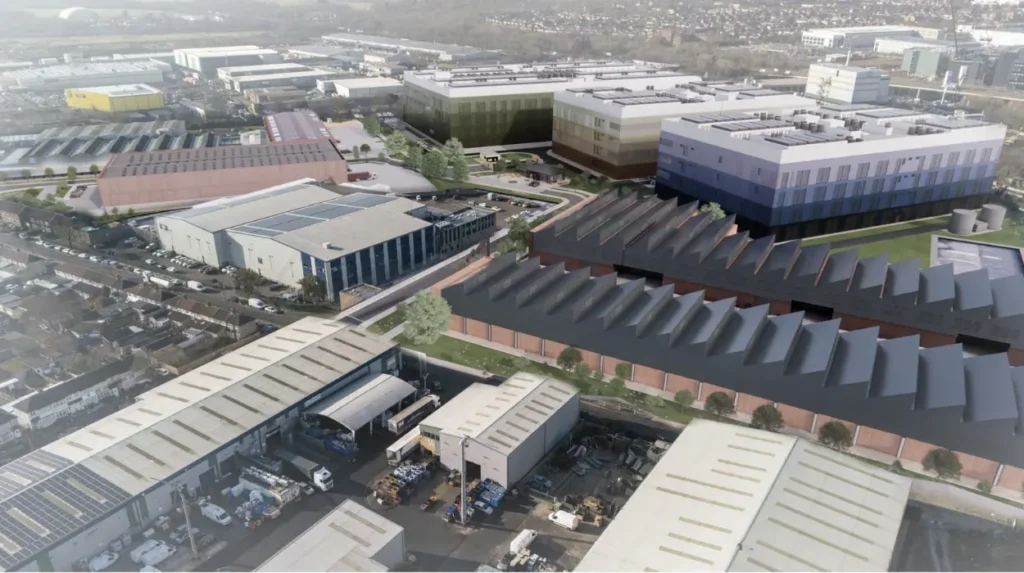
The industrial revolution and the advent of railway connectivity marked a pivotal era for Harrow, transitioning it from rural to suburban status. The Metropolitan Railway strengthened Harrow’s ties to central London, encouraging urbanization and the creation of residential suburbs for city workers. During this period, the borough became home to industries such as Whitefriars Glassworks and Kodak, which provided local jobs and contributed to global industrial growth. Architecturally, Harrow still boasts art-deco structures from this transformation period, especially around Rayners Lane.
Harrow School and Educational Influence
Harrow is internationally renowned for Harrow School, established in 1324, one of the most prestigious and historic schools in England. The school’s role extended beyond education; it shaped many notable figures, including Winston Churchill, and influenced British public life. Harrow School’s history also illustrates the evolving educational landscape with efforts to shape curricula on par with other elite institutions like Eton, maintaining its prestigious status through centuries.
Harrow in the 20th Century and Beyond
The 20th century introduced both growth and challenges for Harrow. Like much of London, it endured the impacts of world wars, contributing to Britain’s war efforts through its inhabitants. The borough’s suburban identity solidified in post-war years, with its population becoming increasingly diverse while retaining its historic traditions. Harrow’s continued development merges its rich past with modern urban life, making it a unique blend of historical significance and contemporary vibrancy.