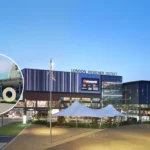
The London Borough of Hillingdon emerged in 1965 through the London Government Act 1963, uniting the Uxbridge Municipal Borough with the urban districts of Hayes and Harlington, Ruislip-Northwood, and Yiewsley and West Drayton. Once part of Middlesex county, this area transitioned into Greater London, with “Hillingdon” chosen as the name after debates over alternatives like Uxbridge. The council, officially the Mayor and Burgesses of the London Borough of Hillingdon, began as a shadow authority in 1964 and fully activated on April 1, 1965, marking a pivotal shift in post-war suburban administration.
This reorganization addressed London’s explosive growth, blending rural roots with urban expansion while laying foundations for coordinated local services.
Council Evolution
Initially operating under the Greater London Council (GLC) from 1965 to 1986, Hillingdon focused on core services like social care, libraries, and waste collection, while the GLC managed broader issues such as transport and policing. The GLC’s abolition in 1986 devolved more powers to boroughs, with joint boards handling residual functions. Today, under the Greater London Authority (GLA) since 2000, Hillingdon retains extensive “most purpose” authorities, including council tax collection, education, housing, and environmental health, with Conservatives maintaining majority control since 2006 for consistent policy direction.
These changes reflect adaptive governance, balancing local autonomy with regional coordination amid evolving urban demands.
Key Services Provided
Serving over 300,000 residents across 43 square miles, Hillingdon Council manages council tax billing, business rates, and GLA precept funding while enforcing planning aligned with national and London strategies. Education leadership covers more than 100 schools, lifelong learning, and special needs support, complemented by robust social services for adults and children. Waste collection, recycling, road maintenance, and traffic regulation form the backbone of daily operations, ensuring efficient environmental management.
Housing initiatives provide thousands of council homes and homelessness aid, while leisure services operate libraries, sports centers, and cultural programs tailored to diverse needs.
Historic Landmarks Managed
Hillingdon’s heritage shines through council-preserved sites, from RAF Northolt—a key WWII airfield still in use—to Brunel University, honoring engineer Isambard Kingdom Brunel. The local history service chronicles Victorian Uxbridge, industrial Hayes, and ancient woodlands, with the Civic Centre in Uxbridge serving as headquarters since the 1970s. Colne Valley Regional Park offers expansive trails, boosting eco-tourism in this greenest of boroughs.
These efforts safeguard cultural identity, drawing visitors and fostering pride in West London’s storied past.

Modern Governance Structure
A ceremonial mayor, elected yearly from 65 councillors across 22 wards, pairs with a cabinet led by the council leader for executive decisions. Full council sessions approve budgets and policies, while scrutiny committees oversee audits, licensing, and performance. Digital platforms on hillingdon.gov.uk enable seamless access to payments, reporting, and consultations, emphasizing sustainability like net-zero goals and green expansions.
Community town halls and surveys ensure resident voices shape priorities from infrastructure to social welfare.
Economic Role
Anchored by Heathrow Airport’s influence, Hillingdon fuels West London prosperity through business support, planning permissions, and high street revitalization in hubs like Uxbridge and Hayes. Sectors thrive in aviation, tech via Brunel Innovation Centre, and retail, with low unemployment bolstered by apprenticeships and skills training. Post-pandemic recovery highlights local procurement and job centers, sustaining economic resilience.
Council policies promote inclusive growth, aiding SMEs and innovation districts.
Community and Culture
Home to diverse groups—40% white British alongside thriving South Asian and Polish communities—Hillingdon fosters inclusion via multilingual libraries and events like the annual Carnival and Christmas lights. Health partnerships with the NHS deliver clinics and mental health resources, while youth initiatives use sports and mentoring to tackle issues like knife crime.
Cultural vibrancy unites residents, enhancing social cohesion in this multicultural enclave.
Green Spaces Excellence
Dubbed London’s greenest borough, Hillingdon devotes 30% of its land to parks and woods, managing gems like Ruislip Woods—London’s largest ancient woodland—and Lake Farm Country Park. Biodiversity programs feature tree planting, wildflower meadows, and free wellbeing activities such as walking groups and gym trials.
These spaces offer respite for families, promoting health amid proximity to urban bustle.

Planning and Development
Balancing growth and heritage, the council approves over 1,000 homes annually, advocating for community benefits amid Heathrow debates and pursuing zero-carbon standards. Neighborhood plans empower areas like Ickenham, prioritizing affordable housing and sustainable infrastructure.
Strategic visions ensure thoughtful evolution without eroding the borough’s character.
Education Excellence
High-achieving schools like Vyners and Swakeleys drive strong GCSE outcomes, supported by investments in special needs and adult skills hubs. Ties with Brunel University expand higher education access, nurturing a skilled workforce.
Comprehensive programs equip generations for success in West London’s dynamic landscape.
Transport Links
Excellent connectivity via M4, M25, Elizabeth Line, and Uxbridge Underground terminus serves commuters efficiently. Council enhancements include bus routes, cycle paths, and active travel promotions, easing daily mobility.
Robust networks link suburban calm to central London opportunities seamlessly.
Resident Engagement
Tools like the My Hillingdon app and annual forums channel feedback into budgets exceeding £500 million, addressing everything from potholes to planning. Transparent reporting builds trust, empowering participation in governance.
This collaborative approach keeps services resident-focused year after year.