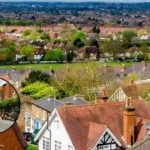
Situated in the vibrant London Borough of Hounslow, Hounslow West is a distinctive residential area steeped in rich history and evolving urban development. As part of West London’s dynamic landscape, Hounslow West combines a blend of heritage, transport significance, cultural vibrancy, and modern amenities, making it a notable locality for residents and visitors alike.
Historical Roots and Development
Hounslow West’s origins are tied closely to the broader historical evolution of the Hounslow area, which dates back to the medieval period around the year 1200. The town of Hounslow was historically significant as an important coaching stop on the Great Western Road, where two vital highways—the Bath Road and Exeter Road—converged. This made it the busiest posting and stabling centre in the country during the golden age of stagecoaches, with stables once housing thousands of horses supporting long-distance travel.
The arrival of the railway in the 19th century, particularly the construction of the Great Western Railway from London to Bristol in the late 1830s and the subsequent Hounslow Loop Line built in 1850, transformed Hounslow’s connectivity and development. The specific area known as Hounslow West emerged notably following the arrival of the District Railway and later the Piccadilly Line, manifesting in the opening of the Hounslow West tube station (originally Hounslow Barracks) in 1884. This station remains a key transport hub, underpinning the area’s accessibility to central London and beyond.
During the early 20th century, Hounslow underwent significant modernization with the construction of the Great West Road (A4), bypassing older routes and encouraging industrial growth and residential expansion. This period also marked the establishment of notable factories, such as the Gillette UK factory built in Art Deco style in the 1930s, which became a landmark for the area.

Geography and Local Identity
Geographically, Hounslow West occupies a part of West London characterized by its primarily residential nature, yet retains proximity to historical sites like Hounslow Heath. This heathland once held strategic military importance, serving as encampment grounds for historical figures such as Oliver Cromwell and King James II. The northern border of this heath follows Staines Road, historically a Roman road known as the Devil’s Highway, underscoring the deep historical layers embedded in the locale.
The area maintains its own unique identity within the broader Hounslow borough, offering a blend of urban convenience and suburban calm. Its residential streets are complemented by accessible green spaces, places of worship, schools, and community centres that contribute to a well-rounded community atmosphere.
Transport and Connectivity
Hounslow West’s exceptional public transport resources are central to its appeal. The Hounslow West Underground station is part of the London Underground’s Piccadilly Line, offering direct links to major hubs like Heathrow Airport and Central London. In addition to the Underground, numerous bus routes connect the area to neighboring districts, enhancing mobility for residents and commuters alike.
This high connectivity has also encouraged local economic activity and supports daily commuting needs, positioning Hounslow West as a practical and desirable location for families and professionals working in or around London.
Community and Culture
The community spirit of Hounslow West reflects a diverse demographic, typical of West London’s multi-cultural tapestry. The area benefits from local festivals, markets, and cultural events that celebrate this diversity, fostering inclusiveness and local pride.
Education is well catered for with a mix of primary, secondary schools, and nearby colleges, supporting families in the community. Social infrastructure, including healthcare facilities and recreational amenities, contribute to an improved quality of life for the residents.
Economic and Urban Development
In recent decades, Hounslow West has seen a transformation from its industrial past to a more service-oriented, residential area. While factories once dominated, they have largely been replaced by offices, hotels, and housing developments. This shift aligns with the broader trend of urban regeneration across London’s outer boroughs, which aim to balance growth with the preservation of local character.
The regeneration initiatives include restoration of historic buildings, expansion of housing stock, and enhancements to public spaces, supporting sustainable urban living while maintaining cultural heritage landmarks such as the Art Deco Gillette building.
Attractions and Points of Interest
While Hounslow West itself is primarily residential, visitors and residents can easily access several attractions nearby. These include:
- Hounslow Heath: Offering walking trails, wildlife habitats, and historical insight into its former military use.
- Osterley Park: A grand Georgian estate with expansive gardens managed by the National Trust.
- Brentford and Chiswick: Adjacent neighborhoods with theaters, restaurants, and riverside walks.
- Historical landmarks such as the Gillette building underscore the area’s architectural heritage.

Why Choose Hounslow West?
For those considering living in or exploring West London, Hounslow West stands out for its rich historical background, excellent transport links, and a balanced community vibe. It offers the advantages of suburban living with the convenience of city connectivity, all within a borough known for its green spaces and cultural diversity.
Its evolution from a coaching stop to a modern residential hub makes it a fascinating example of London’s enduring ability to blend history with contemporary life.