West London has a broad network of kids clubs and classes covering sport, swimming, dance, music, drama, arts, coding, outdoor activities, childcare, youth services and specialist provision. Families can find structured activities for babies, preschool children, primary pupils and teenagers across boroughs including Ealing, Hounslow, Richmond upon Thames, fulham/hammersmith/">hammersmith-and-fulham/">Hammersmith and Fulham, Brent and neighbouring areas.
- What are kids clubs and classes in West London?
- Which types of kids clubs and classes are available in West London?
- Which West London areas have the widest choice of children’s activities?
- Which sports classes are best suited to children in West London?
- Which creative classes can children attend in West London?
- What classes are available for babies and preschool children?
- How do after-school clubs differ from children’s classes?
- How should parents choose the right kids club or class?
- What inclusive and SEND activities are available in West London?
- Are there free or low-cost kids clubs in West London?
- What role do youth clubs play for older children and teenagers?
- How do children’s clubs support education and development?
- How can families find kids clubs and classes in West London?
- What should parents check before booking a children’s class?
- What is the long-term value of kids clubs and classes in West London?
What are kids clubs and classes in West London?
Kids clubs and classes are organised activities that help children develop physical, creative, educational and social skills outside normal lessons. Examples include swimming, football, ballet, music, drama, coding, arts, gymnastics, youth clubs and holiday programmes.
The term covers several different forms of provision. A class normally focuses on learning or developing a particular skill. Examples include piano lessons, ballet, swimming, gymnastics and coding. A club usually provides repeated participation around an activity or shared interest. Examples include football clubs, youth clubs, chess groups and community arts groups.
West London has provision across different age groups and ability levels. Hounslow’s Family Information Service provides information for children aged zero to 19 and directs families towards stay-and-play sessions, youth clubs, holiday activities and other local opportunities. Its directory also separates activities into categories such as under-five activities, arts, crafts, media, dance, drama, music, sport, exercise and youth clubs.
Ealing has a particularly extensive sports network. The council states that more than 100 sports clubs operate in the borough, ranging from small clubs to organisations with several hundred junior and adult members.
The range reflects the wider role of children’s activities in education and development. England’s national curriculum identifies physical education, music, art and design, computing and other subjects as important parts of children’s education. Activities outside school therefore provide additional opportunities to practise related skills in community settings.
Which types of kids clubs and classes are available in West London?
West London provides several major categories of children’s activities, including sports, swimming, dance, music, drama, arts, academic classes, technology, outdoor activities and youth services. Examples include football, ballet, piano, coding, gymnastics, swimming and community youth clubs.
Sports form one of the largest categories. Local programmes include football, basketball, tennis, cricket, badminton, boxing, athletics, canoeing and gymnastics. Ealing Council’s sports-club directory lists activities including archery, ball hockey, basketball, boccia, bowls, boxing and canoeing.
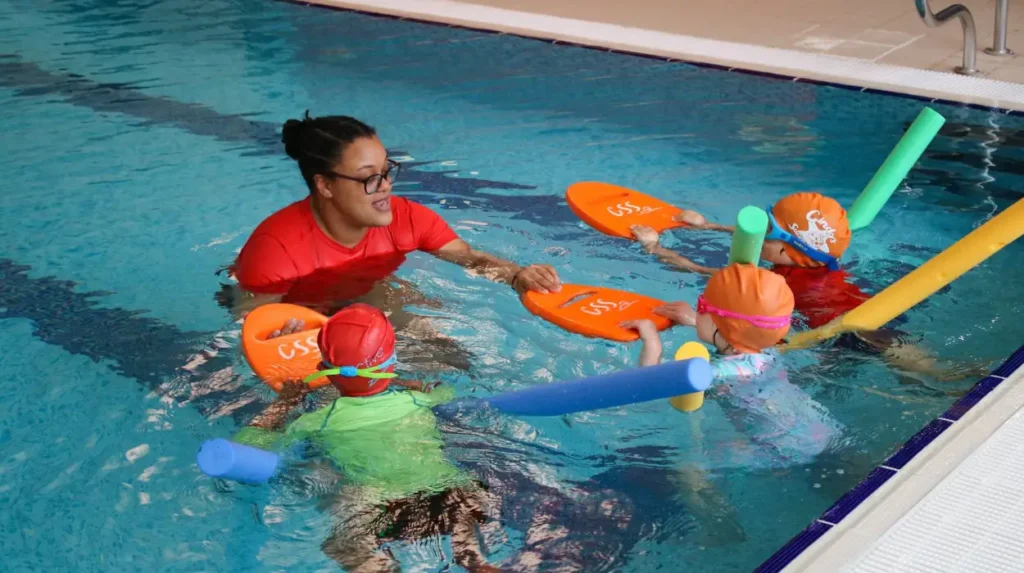
Swimming is another important category. The national curriculum requires schools in England to provide swimming instruction during key stage 1 or key stage 2. Pupils are expected to work towards swimming at least 25 metres and learning safe self-rescue techniques.
Creative classes include dance, ballet, drama, singing, instrumental music, painting, drawing, crafts and media. Hounslow’s Family Service Directory, for example, lists dance, drama and music opportunities including ballet, performing arts, drama, singing and instrumental activities.
Technology-based activities include coding, robotics, digital media and computer skills. These classes complement the computing curriculum, which is a compulsory subject across the primary and secondary stages of the national curriculum.
Youth clubs provide a broader format. They combine recreation with social, creative, sporting and educational activities. Hounslow youth provision includes examples such as cooking, table tennis, music workshops, football, media, dance, arts and crafts, basketball and badminton.
Which West London areas have the widest choice of children’s activities?
Children’s activities are distributed across West London rather than concentrated in one neighbourhood. Ealing, Hounslow and Richmond have extensive council-supported directories, leisure facilities and community programmes, while nearby Brent and Hammersmith and Fulham also provide sports and youth opportunities.
Ealing is a significant hub for children’s sport. Its leisure network includes swimming pools, gyms, dance studios, outdoor sports grounds and parks. The council also directs families towards local sports clubs and activity-finder services.
Hounslow provides a centralised Family Information Service and Family Services Directory. Families can search activities by age and category. The directory covers areas such as Chiswick, Brentford, Isleworth, Hounslow, Cranford, Feltham, Bedfont and Hanworth.
Richmond upon Thames provides children’s activities through leisure centres and community programmes. In 2026, its leisure centres in Hampton, Shene, Teddington and Whitton offered junior activities including gymnastics, karate, judo and badminton.
Brent also provides children’s sports and holiday programmes. Its 2026 Holiday Activities and Food Programme included activities such as basketball, tennis and cricket for different age groups.
Families should therefore search by neighbourhood rather than only by borough. A class 15 minutes from home is often more practical than a highly specialised activity requiring a long journey.
Which sports classes are best suited to children in West London?
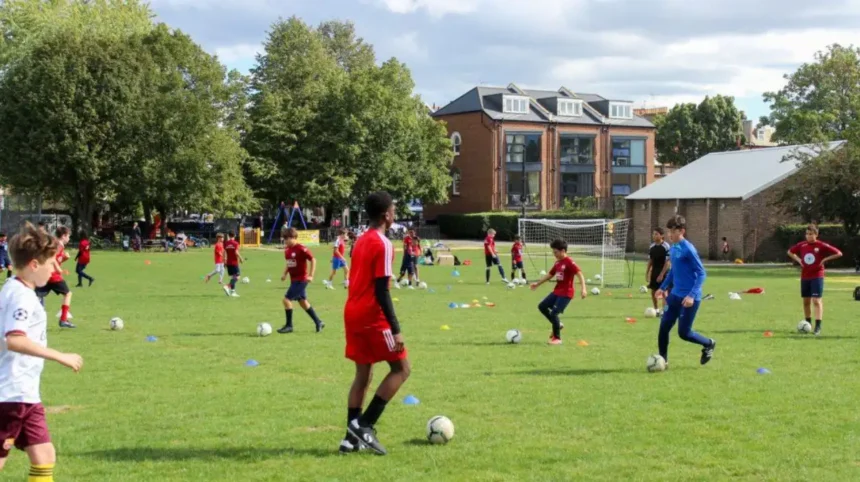
Sports classes help children develop movement, coordination, strength and teamwork through structured practice. West London examples include football, swimming, gymnastics, tennis, basketball, cricket, martial arts, athletics, canoeing and junior running programmes across local facilities.
Football is widely available for young children and older pupils. Ealing’s activity listings include football sessions for children from approximately 18 months through primary-school ages.
Gymnastics develops balance, flexibility, coordination and movement control. Richmond’s 2026 junior programme specifically describes gymnastics as supporting balance, coordination, flexibility and movement skills.
Martial arts include activities such as karate and judo. These classes typically involve structured technique practice, controlled movement and progression through recognised training systems.
Tennis, basketball and cricket provide opportunities for individual technique and team participation. Ealing’s sports listings include junior basketball and multiple other sports, while Brent’s holiday programmes provide additional tennis, cricket and basketball activities.
Junior running programmes provide a low-cost entry point into organised physical activity. Ealing’s listings include junior parkrun events at Acton Park, Northala Fields and Pitshanger Park for children aged four to 14.
The NHS recommends that children aged five to 18 average at least 60 minutes of moderate or vigorous physical activity each day across the week. It also recommends different activity types and intensities to develop movement skills, muscles and bones.
For children aged three to four, the NHS recommends at least 180 minutes of physical activity across the day, including at least 60 minutes of moderate-to-vigorous activity.
Which creative classes can children attend in West London?
Creative classes in West London include music, singing, instrumental tuition, ballet, modern dance, drama, painting, crafts and media activities. Examples include children’s music groups, ballet schools, performing arts classes, youth film clubs and community arts programmes.
Music classes cover singing, instruments, rhythm, composition and ensemble performance. The national curriculum requires music education at key stages 1 to 3 and includes singing, instruments, composition, listening and musical understanding.
West London families can therefore choose between introductory music groups and more formal instrumental tuition. Common instruments include piano, violin, guitar, drums and keyboard.
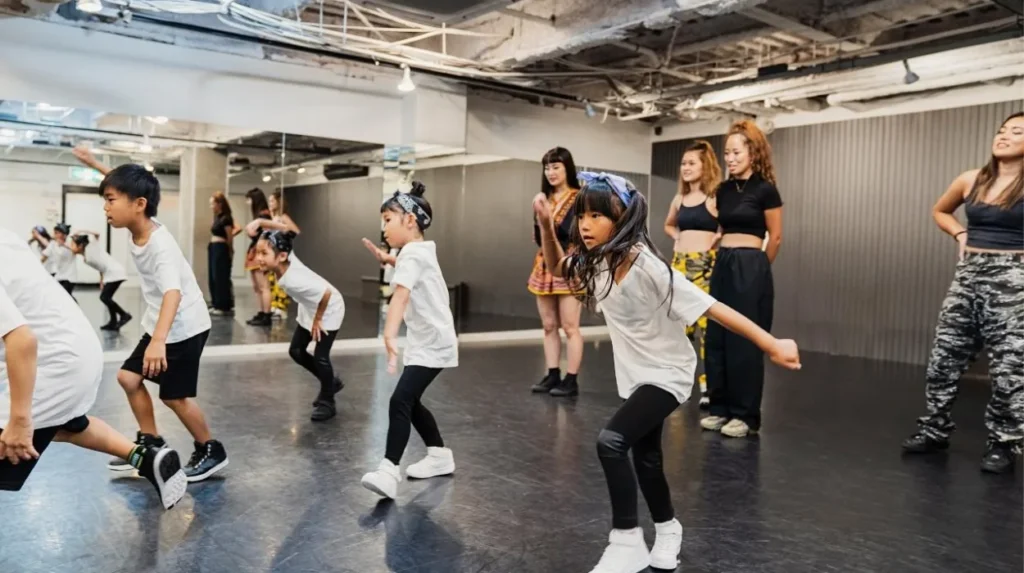
Dance classes include ballet, tap, modern dance, contemporary movement and acrobatic dance. Hounslow’s directory lists ballet, tap, modern and acrobatic dance alongside broader performing arts opportunities.
Drama classes develop performance, speech, movement and group participation. Performing arts providers often combine acting, singing and dance within one programme.
Arts and crafts classes provide practical activities such as drawing, painting, sculpture, collage and making projects. These classes suit children who prefer hands-on creative work rather than competitive sport.
Media classes provide opportunities to explore photography, film, podcasting and digital production. Hounslow’s 2026 youth projects included podcasting and creative activities alongside outdoor learning and cooking.
What classes are available for babies and preschool children?
West London has early-years activities designed for babies, toddlers and preschool children, including stay-and-play sessions, music groups, baby development classes, movement activities, swimming and introductory sports. Examples include toddler play sessions, baby music and early football.
Early-years classes normally prioritise movement, sensory exploration, communication and parent-child participation. Session structures are different from formal school-age classes.
Hounslow’s Chiswick directory lists stay-and-play sessions, baby reading activities, baby and toddler development classes, interactive music and instrumental play, sports education and football for children aged two to seven.
Stay-and-play sessions provide a simple introduction to group activities. They normally combine toys, movement, creative play and social interaction.
Music sessions introduce rhythm and sound through singing, instruments and movement. They are suitable for developing early listening and participation skills.
Early sports programmes introduce fundamental movement patterns before children enter formal competitive sport. Activities such as football can develop running, balance, kicking and coordination.
Parents should check age limits, adult participation requirements, session length, venue facilities and safeguarding arrangements before booking.
How do after-school clubs differ from children’s classes?
After-school clubs primarily provide supervised care and structured activities outside school hours, while specialist classes focus on developing one skill. Examples include school-based play clubs, football classes, piano lessons, dance schools and coding sessions.
The distinction is important for families choosing an activity for childcare or development.
Ealing Council describes after-school clubs as services providing a safe environment for children after school, with play activities and links to local schools. It states that many clubs also provide breakfast and holiday care.
Specialist classes normally have a narrower educational purpose. A swimming class focuses on water skills. A piano lesson focuses on instrumental technique. A football class focuses on football skills.
After-school provision often combines multiple activities during one session. Examples include games, arts, outdoor play, reading and recreational sports.
Parents should also distinguish between childcare and activity-only provision. A class lasting one hour is not automatically a childcare service covering a full working period.
Ofsted registration requirements apply to certain childcare settings. Ealing Council notes that clubs caring for children under eight for more than two hours a day on more than five days a year must be registered and checked by Ofsted.
How should parents choose the right kids club or class?
Parents should compare age suitability, location, timetable, cost, instructor qualifications, safeguarding, accessibility, class size and progression routes. Examples include checking swimming qualifications, football coaching standards, DBS arrangements, SEND support and trial-session policies.
Age suitability is the first consideration. A toddler class has different objectives from a secondary-school programme.
Location determines whether regular attendance is practical. West London journeys can involve several transport changes, so nearby provision often supports consistent participation.
The timetable should fit school hours and family commitments. Parents should check whether sessions operate during term time, school holidays or both.
Safeguarding is essential. Ealing Council advises parents to check child protection and welfare arrangements when selecting sports clubs.
Qualifications also matter. Parents should check the instructor’s relevant professional training and experience, particularly for swimming, gymnastics, martial arts and activities involving specialist equipment.
Accessibility should be assessed directly with the provider. This includes physical access, communication support, sensory requirements and adaptations for disabled children.
Cost should include registration fees, equipment, uniforms, examinations and competition expenses where applicable. Some community programmes are free or low-cost.
A trial session provides useful information about teaching style, class organisation and whether the child is comfortable in the environment.
What inclusive and SEND activities are available in West London?
Inclusive provision includes adapted sports, accessible dance, swimming, cycling, canoeing, football and multi-sport sessions for children with special educational needs and disabilities. Examples include Richmond RISE activities and Hounslow SEND activity directories.
SEND means special educational needs and disabilities. Children’s activities in this category are structured to accommodate individual physical, communication, learning or sensory requirements.
Hounslow maintains a directory specifically covering clubs, groups and leisure opportunities for children and young people with SEND. Its search system includes age ranges from zero to five, five to 11, 11 to 16 and 16 to 18.
Richmond’s RISE programme provides activities for people with special educational needs and disabilities. Its listed children’s activities include junior dance, swimming, football, multi-sports, cycling and canoeing.
Inclusive provision does not always require a separate specialist club. Mainstream providers can also make reasonable adaptations depending on the activity and the child’s requirements.
Parents should speak directly with providers before enrolment. Important questions include class size, staff-to-child ratios, communication methods, physical access, changing facilities and emergency procedures.
Are there free or low-cost kids clubs in West London?
West London includes free and subsidised children’s activities through councils, community organisations, parks and holiday programmes. Examples include junior running events, selected youth projects, community sessions and Holiday Activities and Food Programme provision for eligible children.
Cost varies significantly between private classes, council leisure activities and community programmes.
Some junior activities operate without a participation fee. Ealing’s listed junior parkrun events provide free organised running opportunities for children aged four to 14.
Holiday support is another important source of free activities. The Holiday Activities and Food Programme, commonly abbreviated as HAF, supports eligible children and young people during school holidays with activities and food.
Brent’s 2026 HAF listings included sports and activity providers covering children from four through 16, depending on the programme.
Hounslow also provides information about its Holiday Activities and Food Programme through the Family Information Service.
Families should check eligibility rules because subsidised programmes often target specific age groups, benefit recipients or local residents.
What role do youth clubs play for older children and teenagers?
Youth clubs provide structured spaces for older children and teenagers to socialise, learn skills and participate in sport, arts and recreational activities. Examples include football, music, cooking, media, dance, table tennis, basketball, arts and youth leadership activities.
Youth clubs differ from early-years classes because they often combine recreation, personal development and social support.
Hounslow youth provision provides an example of this broader model. Its programme includes junior, intermediate and senior groups with activities such as cooking, table tennis, music workshops, football, media, dance, arts and crafts, basketball, badminton and other recreational activities.
Youth clubs can provide structured activities during evenings, weekends and school holidays.
They also create opportunities for teenagers to participate in community projects. Hounslow reported in August 2026 that its Thriving Communities Fund had allocated more than £150,000 to youth projects over the preceding year. Supported projects included creative activities, cooking, outdoor learning, podcasting, boxing, music and arts.
Older children can also participate in organised competitive sport. The national PE curriculum encourages pupils to participate in competitive sports outside school through community links and sports clubs.
How do children’s clubs support education and development?
Children’s clubs extend learning beyond the classroom by giving children repeated opportunities to practise physical, creative, technical and social skills. Examples include swimming for water safety, music for performance, sport for movement skills and coding for computational thinking.
The national curriculum establishes a broad educational foundation, but children’s learning also occurs outside formal lessons.
Physical activities support the development of movement skills. England’s PE curriculum specifically identifies running, jumping, throwing, catching, balance, agility and coordination as foundational skills.
Music provides opportunities for performance, composition and listening. The national curriculum expects pupils to perform, listen, review and evaluate music and develop instrumental and vocal skills.
Creative classes support practical production and artistic expression. Technology classes complement computing education through programming, digital creation and problem-solving.
Team activities also require communication and cooperation. Sports such as football, basketball, cricket and hockey involve shared rules, tactical decisions and coordinated participation.
The Department for Education’s 2024 guidance on PE and school sport highlights access to physical education, physical activity and extracurricular school sport, including equality of access.
How can families find kids clubs and classes in West London?
Families can find children’s activities through council directories, leisure centres, schools, community centres, sports clubs and specialist providers. Examples include Hounslow’s Family Services Directory, Ealing’s sports-club listings, Richmond’s activity finder and local leisure-centre programmes.
Council websites are useful starting points because they organise information by location, age and activity type.
Hounslow’s Family Information Service is specifically designed to provide information and signposting for children aged zero to 19. It includes family hubs, children’s centres, childcare, youth activities and holiday programmes.
Ealing’s sports information provides access to sports clubs and activity searches. The council states that its borough has more than 100 sports clubs.
Richmond directs residents towards local activity searches that can be filtered by area, availability, accessibility and location.
Families should search using specific terms. Examples include “kids swimming West London”, “children’s football Ealing”, “kids dance Hounslow”, “junior gymnastics Richmond”, “teen youth club West London” and “SEND activities Hounslow”.
Schools also provide useful local information about after-school activities, breakfast clubs and extracurricular programmes.
Explore More Area Guide
Family Activities in West London: Best Days Out
Nurseries in West London: Complete Early Years Guide
What should parents check before booking a children’s class?
Parents should confirm the provider’s age range, safeguarding arrangements, instructor qualifications, venue suitability, accessibility, cancellation rules, costs and emergency procedures before booking. Examples include checking Ofsted registration for relevant childcare, child protection policies and SEND adaptations.
Parents should first confirm that the activity matches the child’s age and ability.
The provider should clearly explain what children need to bring. Swimming classes often require specific swimwear and equipment. Dance classes can require particular clothing. Sports clubs can require boots, protective equipment or uniforms.
Safeguarding information should be available. Parents should ask how the provider manages child protection, collection arrangements, staff supervision and emergencies.
For childcare services, parents should establish whether Ofsted registration applies. This is particularly important when a service provides extended care rather than a short specialist class.
Accessibility should be discussed before booking rather than assumed from a venue’s general description.
Parents should also check whether the class is term-based, pay-as-you-go or membership-based. Some programmes operate continuously while others follow school terms.
Finally, families should verify current dates and prices directly with the provider. Council directories frequently contain independent organisations, and Hounslow explicitly states that its directory listings do not constitute council endorsement or approval.
What is the long-term value of kids clubs and classes in West London?
Regular children’s activities provide sustained opportunities to develop physical competence, creative ability, practical skills and social participation. Examples include progressing from beginner swimming to advanced lessons, recreational football to club competition, or introductory music to instrumental performance.
The strongest benefit of a children’s class comes from consistent participation.
A child can progress through structured levels in swimming, gymnastics, dance, martial arts, music and sport. Progression creates a clear pathway from introductory participation to more advanced skills.
Physical activity also remains important beyond childhood. The NHS recommends regular activity for children and young people and emphasises variety, movement skills and reduced sedentary time.
Community participation provides another long-term dimension. Children who regularly attend clubs become familiar with coaches, instructors, teammates and community venues.
West London’s existing infrastructure supports this continuity. Ealing’s large sports-club network, Hounslow’s Family Information Service and Richmond’s leisure and inclusive activity programmes provide established routes into ongoing participation.
For families, the practical objective is to choose activities that match the child’s age, interests, needs, schedule and location. A balanced programme can include physical activity, creative learning and social participation without overloading the weekly timetable.
West London therefore offers a substantial range of children’s clubs and classes, from early-years play and swimming to youth sport, performing arts, technology and specialist SEND provision. The most reliable starting point is a local council or Family Information Service, followed by direct checks with the individual provider on current availability, safeguarding, accessibility and cost.
What types of kids clubs and classes are available in West London?
West London offers children’s activities including football, swimming, gymnastics, dance, ballet, music, drama, arts and crafts, coding, martial arts, tennis, cricket, basketball, youth clubs and holiday programmes.