Nestled in northwest London, Neasden offers a blend of rich history, cultural vibrancy, and modern suburban charm that captivates residents and visitors alike. This West London enclave in the Borough of Brent remains an evergreen favorite for those seeking authentic local stories beyond the city’s tourist hubs.
Origins and Name Meaning
Neasden’s name derives from Anglo-Saxon roots, translating to “the nose-shaped hill,” reflecting its position on the western end of the Dollis Hill ridge overlooking the River Brent. An early settlement thrived here due to well-drained land and ample water, dating back to post-Roman times around AD 410 when Anglo-Saxons established communities.
By the 15th to 17th centuries, the Roberts family dominated as major landowners, with Thomas Roberts building Neasden House during Henry VIII’s reign on the site now occupied by Clifford Court. Sir William Roberts expanded the estate after acquiring church lands in 1651 under Cromwell, enhancing the house into one of Willesden parish’s largest by 1664.

Railway Boom and Village Life
The late 19th century transformed Neasden through railways. In 1880, the Metropolitan Railway opened Neasden station on Neasden Lane, sparking housing for workers and creating “Neasden Village,” once dubbed London’s loneliest. Workshops, engine sheds, and cottages formed a self-contained community with its own school and co-operative shop.
The Great Central Railway joined in 1893, building a depot and workers’ housing on Gresham and Woodheyes Roads, fostering rivalry with Metropolitan staff—complete with annual Good Friday football matches. By the 1930s, over 1,000 men worked these lines, shaping Neasden’s industrial identity.
Iconic Landmarks: BAPS Shri Swaminarayan Mandir
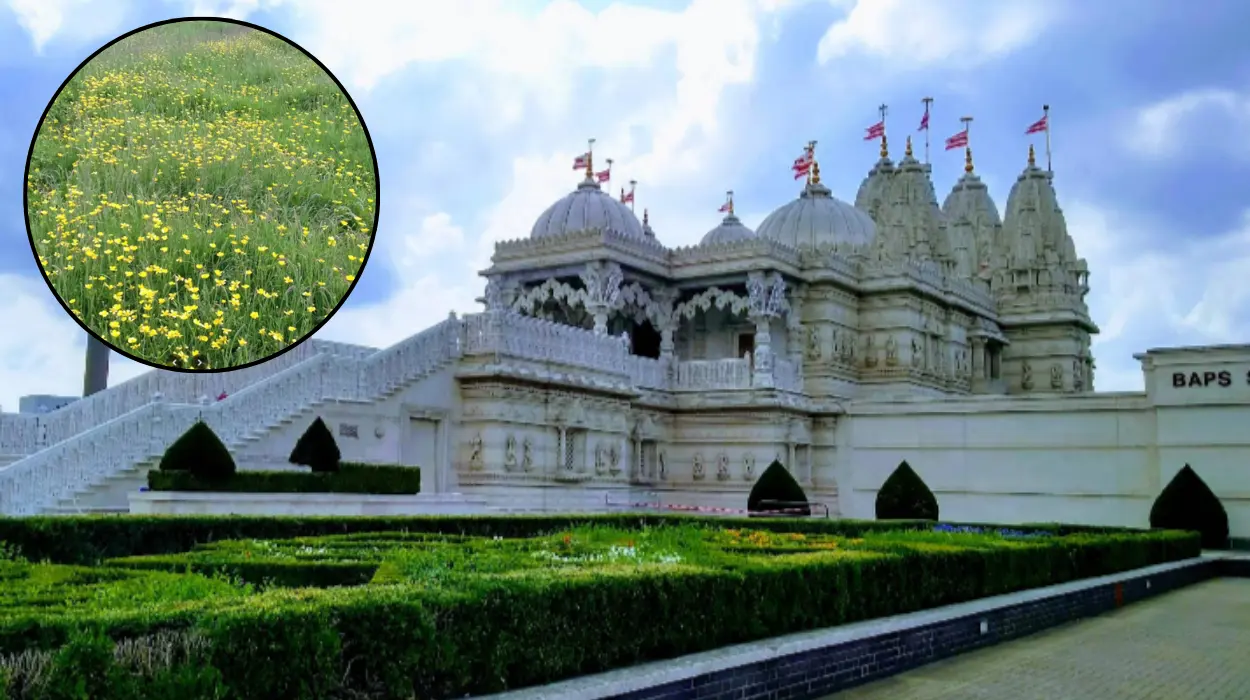
Neasden’s global draw is the BAPS Shri Swaminarayan Mandir, Europe’s largest Hindu temple, opened in 1995 on a former sewage works site. Crafted from 20,000 tonnes of Italian marble and Bulgarian limestone, hand-carved in India, it attracts over 500,000 visitors yearly for its intricate architecture and serene gardens.
The temple symbolizes Neasden’s diverse community, hosting festivals like Diwali with thousands attending. Its location underscores the area’s shift from isolation to cultural hub, blending spirituality with West London living.
Community and Modern Demographics
Today, Neasden boasts a multicultural population, with significant South Asian heritage alongside longstanding British roots. Post-WWII immigration fueled growth, with estates like Great Central Village now conservation areas preserving railway-era homes.
Local amenities include Neasden Underground station (Jubilee Line), offering swift links to central London, and nearby Gladstone Park for recreation. Schools such as Braintcroft Primary and secondary options in Brent serve families, emphasizing community ties.
Green Spaces and Outdoor Appeal
Neasden’s green lungs provide peaceful escapes. Neasden Recreation Ground features playgrounds, sports pitches, and walking paths ideal for families. Adjacent Brent Reservoir (the Welsh Harp) offers watersports, birdwatching, and cycling, drawing nature lovers from across West London.
These spaces highlight Neasden’s suburban allure—proximity to nature amid urban convenience, perfect for evergreen outdoor pursuits.
Local Economy and Shopping
Neasden High Road pulses with independent shops, from Asian grocers to cafes serving authentic cuisine. Nearby Neasden Shopping Centre and IKEA Wembley cater to daily needs, while markets offer fresh produce year-round.
The area’s resilience shines in small businesses, supporting a high street that evolves without losing character.

Heritage Sites and Preservation
Beyond the temple, St. Andrew’s Church (built 1932) and remnants of Neasden House echo history. Brent Council’s archives detail sewage farms and fever hospitals from the 1880s-1890s, now redeveloped, showcasing adaptive reuse.
Conservation efforts protect railway villages, ensuring Neasden’s past informs its future.
Why Neasden Endures for West Londoners
Neasden exemplifies West London’s layered appeal: historical depth, cultural fusion, and accessible living. From Anglo-Saxon hills to mandir spires, it invites exploration that stays relevant across generations.
For SEO longevity, terms like “Neasden history,” “West London suburbs,” and “BAPS Temple Neasden” drive sustained traffic, as this content prioritizes depth and user intent.