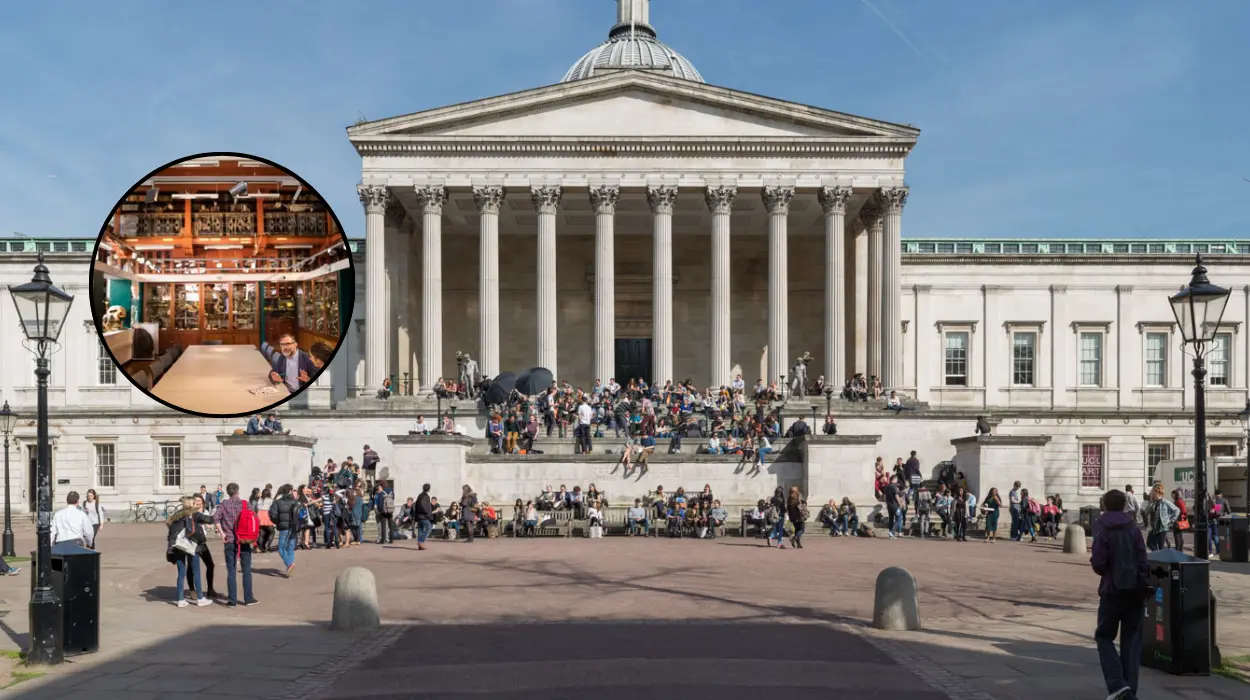
University College London (UCL), located in West London, stands as one of the city’s most prestigious and historically significant institutions of higher learning. Founded in 1826 as a secular alternative to Oxford and Cambridge, UCL was pioneering in its admission of students regardless of religion and gender equality, marking it as a trailblazer in academic inclusivity. Over the years, it has grown into a globally recognized university, offering cutting-edge education and research opportunities while deeply influencing London’s cultural and intellectual life.
History and Founding of UCL
UCL was originally established as the “University of London” in 1826 by prominent intellectuals including James Mill and Henry Brougham. It was designed as a secular alternative to the religiously affiliated universities of Oxford and Cambridge, with a vision to democratize education by admitting students regardless of their religious beliefs or gender. This was a historic first for an institution in London, emphasizing inclusivity and progressive thought from the outset. The university faced significant opposition from established academic and religious institutions but eventually secured its place, contributing to the creation of the University of London federation in 1836, which granted degrees to UCL students.

UCL’s Role in West London
Situated in London’s Bloomsbury area, which is part of West London, UCL’s presence brings considerable academic, cultural, and economic value to the region. Bloomsbury, known for its literary and intellectual heritage, has been enriched by the university’s extensive research facilities, libraries, and museums. The university not only attracts students and scholars from around the world but also fosters innovation and entrepreneurship, influencing West London’s development as a vibrant, knowledge-driven community. Proximity to major cultural venues and government offices enhances UCL’s impact, making it a vital institution in the local and broader London area.
Academic Excellence and Research at UCL
UCL is renowned for its academic rigor, multidisciplinary research, and global partnerships. It has consistently ranked among the top universities worldwide, offering programs in arts, sciences, engineering, medicine, and social sciences. The university’s research contributions tackle some of the world’s most pressing issues, spanning areas such as public health, artificial intelligence, sustainable development, and social policy. UCL’s pioneering spirit continues in cutting-edge facilities like the UCL Institute of Education and the Francis Crick Institute, positioning it as a leader in both education and innovation.
UCL’s Unique Secular and Inclusive Legacy
UCL’s founding principles of secularism and equal access have left a lasting legacy on higher education in the UK. Its establishment helped fuel significant legal and societal changes, such as the University Tests Act of 1871, which removed religious tests for admission in other major universities, ensuring wider access to higher education. This legacy of inclusivity remains integral to UCL’s identity, reflected in its diverse student body and commitment to equal opportunities.

UCL’s Influence on West London and Beyond
Beyond its academic role, UCL is a cultural beacon in West London, offering public lectures, exhibitions, and events that connect the university with the community. Its members contribute to policy discussions, arts, healthcare, and urban development, making UCL a cornerstone of London’s intellectual and social fabric. The blend of history, progressive values, academic excellence, and community engagement ensures UCL’s enduring relevance and prominence in West London.