Hidden gems in West London are lesser-known historical, cultural, architectural, and natural sites situated within the western boroughs that offer significant value, heritage, or aesthetic appeal while maintaining relatively low visitor density compared to major central tourist attractions.
- Where can visitors find historic houses and architectural sites in West London?
- Boston Manor House (Brentford)
- Chiswick House and Gardens (Chiswick)
- Pitshanger Manor & Gallery (Ealing)
- Leighton House Museum (Holland Park)
- What are the most unique specialized museums located in West London?
- Which natural reserves and secret green spaces exist in West London?
- WWT London Wetland Centre (Barnes)
- Ruislip Woods National Nature Reserve
- Gunnersbury Triangle Nature Reserve
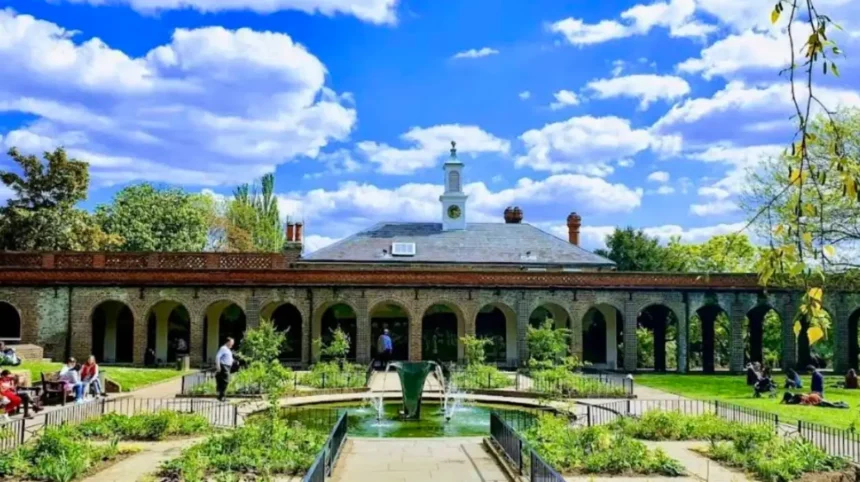
- Kyoto Garden in Holland Park
- How do historic canals and industrial waterways function in West London?
- What historical impact did West London’s developments have on Greater London?
- How can visitors efficiently access and explore these locations?
The western region of Greater London comprises administrative boroughs such as Brent, Ealing, fulham/hammersmith/">hammersmith-and-fulham/">Hammersmith and Fulham, Harrow, Hounslow, Hillingdon, and Kensington and Chelsea. While central landmarks attract millions of visitors annually, West London contains numerous protected heritage sites, public parks, specialized museums, and architectural landmarks that remain overlooked by mass tourism. These locations contribute significantly to the local economy, historical preservation, and neighborhood identity.
Historically, West London developed along trade routes, the River Thames, and historic estates owned by British aristocracy during the 17th, 18th, and 19th centuries. The expansion of the Metropolitan Railway in the late 19th century transformed rural Middlesex villages into suburban communities. This transition preserved pockets of historic manor houses, public parks, and unique industrial architecture alongside modern urban development.
The structural categorization of West London’s hidden locations includes four primary classifications:
- Historic Residences and Estates: Architectural heritage sites such as Boston Manor House, Chiswick House, and Pitshanger Manor.
- Specialized Museums and Cultural Collections: Institutions focused on specific subjects such as the Musical Museum, the Water and Steam Museum, and Leighton House Museum.
- Preserved Green Spaces and Nature Reserves: Ecological sites including the London Wetland Centre, Gunnersbury Triangle, and Ruislip Woods.
- Industrial and Aquatic Infrastructure: Historic canals, locks, and riverside structures such as the Hanwell Flight of Locks and the Grand Union Canal pathway.
Understanding these locations requires analyzing their historical origins, conservation status, accessibility via Transport for London (TfL) networks, and cultural contribution to the surrounding communities.
Where can visitors find historic houses and architectural sites in West London?
Visitors can find historic houses and architectural sites in West London by exploring preserved 17th-, 18th-, and 19th-century estates across Brentford, Chiswick, Ealing, and Kensington, which showcase Neo-Palladian architecture, Victorian art collections, and Jacobean structural engineering.
Boston Manor House (Brentford)
Boston Manor House is a Grade I listed Jacobean manor house located in the London Borough of Hounslow. Built in 1622 for Lady Mary Reade, the structure underwent significant interior modifications under the ownership of the Clitherow family, who held the estate from 1670 until 1924. The property features detailed Jacobean plasterwork ceilings executed in 1623, depicting allegorical elements, elements of classical mythology, and biblical scenes.
The estate underwent a major restoration project funded by the National Lottery Heritage Fund, Hounslow Council, and the Treasury, reopening to the public in July 2023. The surrounding Boston Manor Park spans 14 hectares of parkland and ancient woodland adjacent to the River Brent.
Chiswick House and Gardens (Chiswick)
Chiswick House is a Neo-Palladian villa designed by Richard Boyle, 3rd Earl of Burlington, and completed in 1729. Inspired by the architecture of Andrea Palladio and the ruins of ancient Rome, the building serves as an early example of English 18th-century architecture.
The surrounding 26-hectare gardens, designed by William Kent, represent the birthplace of the English Landscape Garden movement. The grounds feature a restored 19th-century conservatory housing the heritage Camellia collection, established in 1813, which contains some of the oldest cultivated camellia specimens in the Western world outside China and Japan.
Pitshanger Manor & Gallery (Ealing)
Pitshanger Manor was the country home of British architect Sir John Soane, who purchased the property in 1800 and rebuilt it between 1800 and 1804. Located in Ealing Green, the manor served as Soane’s personal retreat and showcase for his architectural designs and art collections.
The building displays Soane’s signature architectural elements, including top-lit ceilings, canopy domes, and integrated mirror panels designed to manipulate natural light. A £12 million restoration project completed in March 2019 restored the manor to Soane’s original 1800s design, re-establishing its historic connection to Walpole Park.
Leighton House Museum (Holland Park)
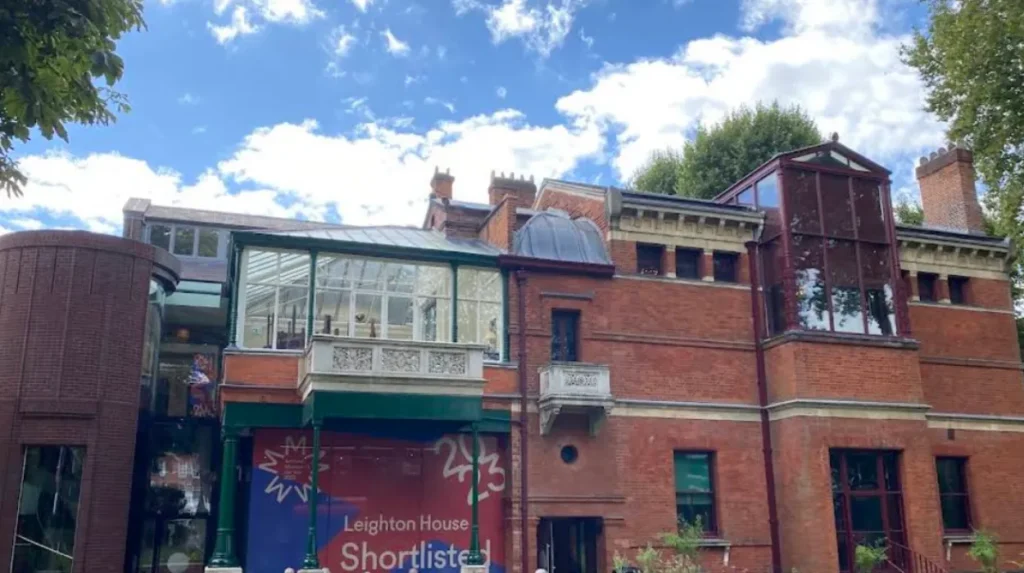
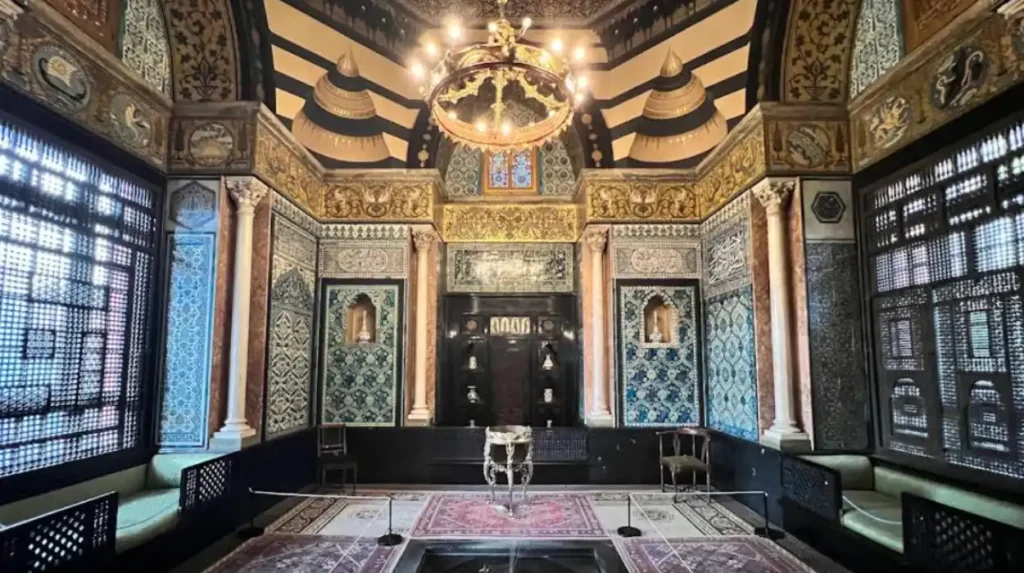
Leighton House, located in Kensington, was the purpose-built studio home of the Victorian artist Frederic, Lord Leighton (1830–1896). Constructed between 1864 and 1879 under the direction of architect George Aitchison, the house contains the Arab Hall, which features over 1,000 16th- and 17th-century Iznik tiles imported from Syria, alongside mosaic floors and an indoor fountain.
The museum reopened in October 2022 following an £8 million redevelopment project that added new exhibition spaces, conservation facilities, and public access areas while preserving Leighton’s original art studio and personal collection of 19th-century paintings.
What are the most unique specialized museums located in West London?
The most unique specialized museums in West London are dedicated interactive collections situated along the River Thames corridor in Kew Bridge and Brentford, preserving industrial heritage, mechanical musical instruments, and Victorian public health infrastructure.
The London Museum of Water & Steam
The London Museum of Water & Steam occupies the historic Kew Bridge Pumping Station, constructed in 1838 by the Grand Junction Waterworks Company. Located in Brentford, the site houses an extraordinary collection of operational steam-powered water pumping engines, including the 1846 Cornish engine with a 90-inch cylinder, which stands as the largest operational Cornish beam engine in the world.
The museum demonstrates the technological evolution of London’s water supply system, which developed during the 19th century to combat cholera epidemics and supply clean water to the expanding metropolis. The site contains:
- The 1838 Boulton & Watt Engine.
- The 1845 East London No. 1 Engine.
- A working narrow-gauge industrial railway built to transport coal across the pumping station grounds.
The Musical Museum
Situated adjacent to the waterworks in Brentford, The Musical Museum holds one of the world’s finest collections of self-playing mechanical musical instruments. Founded by Frank Holland in 1963, the museum showcases the evolution of automated sound reproduction from the 18th century through the mid-20th century.
The primary collection includes player pianos, orchestrions, paper-roll reproducers, organettes, and a fully restored 1932 Wurlitzer cinema pipe organ. The Wurlitzer organ, originally installed in the Regal Cinema in Kingston upon Thames, features three manuals, twelve ranks of pipes, and an electro-pneumatic action system that allows live performances and silent film accompaniment.
Fulham Palace Museum and Botanic Gardens
Fulham Palace served as the historic country residence of the Bishops of London from 704 AD until 1973. Located along the Thames in Fulham, the estate features architectural styles spanning from the Tudor period to the Georgian era. The museum inside the palace details the continuous ecclesiastical and political influence of the site over 1,300 years.
The surrounding 13-acre historic botanical garden includes a restored 18th-century walled garden, an ancient 500-year-old Holm Oak (Quercus ilex), and rare botanical specimens introduced by Bishop Henry Compton during his tenure between 1675 and 1713.
Which natural reserves and secret green spaces exist in West London?
Natural reserves and secret green spaces in West London exist across urban wetland ecosystems, protected ancient woodlands, and formal botanical collections in Barnes, Chiswick, Acton, and Ruislip, preserving biodiversity and native wildlife habitats.
WWT London Wetland Centre (Barnes)
The WWT London Wetland Centre is a 42-hectare constructed wetland reserve situated within a loop of the River Thames in Barnes. Opened in May 2000 by the Wildfowl & Wetlands Trust on the site of four concrete-lined, redundant Victorian water reservoirs, the reserve represents a major urban ecological restoration project.
The site contains open water, reedbeds, wet meadows, and tidal mudflats that provide breeding and overwintering habitats for bird species, including:
- Bitterns (Botaurus stellaris)
- Gadwalls (Anas strepera)
- Northern Shovelers (Spatula clypeata)
- Lapwings (Vanellus vanellus)
Scientific monitoring demonstrates that the wetland supports over 200 bird species, 20 species of dragonflies and damselflies, and multiple bat species annually.
Ruislip Woods National Nature Reserve
Ruislip Woods covers 305 hectares in the London Borough of Hillingdon and was designated as London’s first National Nature Reserve in May 1997. The reserve consists of ancient semi-natural woodland, including Park Wood, Mad Bess Wood, Copse Wood, and Poor’s Field.
The woodland composition is dominated by sessile oak (Quercus petraea) and hornbeam (Carpinus betulus) coppice, representing a continuous woodland cover that has existed since the Norman Conquest of 1066. Archaeological features within the woods include medieval woodbanks, earthworks, and evidence of historic charcoal burning operations.
Gunnersbury Triangle Nature Reserve
Located directly adjacent to Chiswick Park tube station, the Gunnersbury Triangle is a 2.5-hectare nature reserve managed by the London Wildlife Trust. Formed in 1860 when railway construction isolated a triangular patch of land between three intersecting railway tracks, the site naturally rewilded into a damp woodland ecosystem.
The reserve contains birch, oak, and willow trees, supporting populations of songbirds, amphibians, fungi, and invertebrates. The successful campaign to save the land from commercial development in 1983 established a major legal precedent for urban nature conservation in the United Kingdom.
Kyoto Garden in Holland Park
The Kyoto Garden is a traditional Japanese garden located within Holland Park in the Royal Borough of Kensington and Chelsea. Opened in 1991, the garden was designed and constructed by the Kyoto Chamber of Commerce and Industry to celebrate the Japan Festival in the United Kingdom.
The landscape design incorporates classic Japanese garden features, including:
- A tiered waterfall feeding into a central pond stocked with Koi carp (Cyprinus rubrofuscus).
- Traditional stone lanterns (Tōrō).
- Pruned Japanese Maples (Acer palmatum).
- Carefully positioned rock formations representing natural topographies.
Explore More Area Guide
Free Things to Do in West London: Parks, Walks and Culture
Things to Do in West London: Parks, Markets, Museums and More
How do historic canals and industrial waterways function in West London?
Historic canals and industrial waterways in West London function as preserved navigation routes, ecological corridors, and civil engineering monuments, connecting suburban transport hubs to central London via the Grand Union and Paddington Arm canals.
The Hanwell Flight of Locks
The Hanwell Flight consists of a series of six canal locks situated on the Grand Union Canal in the London Borough of Ealing. Constructed in 1794 under the direction of civil engineer William Jessop, the flight spans a distance of one-third of a mile, lifting canal traffic by 16.2 meters (53 feet) between the River Brent and the canal summit level.
The site was designated a Scheduled Ancient Monument in 1973, reflecting its engineering importance during the British Industrial Revolution. The locks continue to function using manual timber balance beams, serving leisure craft and residential canal boats.
The Paddington Arm and Kensal Green Pathways
The Paddington Arm of the Grand Union Canal branches off at Bull’s Bridge in Hayes and runs 22 kilometers (13.5 miles) eastward to Paddington Basin. Opened in 1801, the waterway maintained a flat contour line, requiring no locks along its length.
The canal path passes through several notable locations:
- Horsenden Hill: An isolated 85-meter greenspace offering views across Middlesex and central London.
- Kensal Green Cemetery: England’s first commercial Victorian cemetery, established in 1832 and inspired by Père Lachaise in Paris, housing over 65,000 historic graves.
- Grand Union Towpath: A dedicated pedestrian and cycling route providing uninterrupted access across West London.
What historical impact did West London’s developments have on Greater London?
West London’s developments historically shaped Greater London by pioneering early suburban transport networks, establishing essential municipal water infrastructure, creating public green spaces, and hosting landmark industrial innovations throughout the 19th and 20th centuries.
Infrastructure and Transport Expansion
The development of West London was driven by transport innovations that served as templates for urban growth worldwide. The opening of the Grand Junction Canal in 1794 enabled the mass movement of industrial goods, coal, and agricultural produce into central London.
Subsequently, the arrival of Isambard Kingdom Brunel’s Great Western Railway (GWR) in 1838, with its main depot at Paddington and key infrastructure at Ealing and Acton, accelerated the growth of West London suburbs. The Metroland expansion initiative of the Metropolitan Railway during the 1920s transformed rural Middlesex farmland into planned residential developments, shaping modern London’s suburban landscape.
| Era | Infrastructure Milestone | Key Developer / Engineer | Primary Impact on Greater London |
| 1794 | Grand Junction Canal | William Jessop | Direct freight corridor connecting the Midlands to London docks. |
| 1838 | Great Western Railway | Isambard Kingdom Brunel | High-speed passenger and goods transport to Western England. |
| 1838 | Kew Bridge Pumping Station | Grand Junction Waterworks Co. | Mass distribution of clean water, mitigating cholera epidemics. |
| 1920s | Metropolitan Railway Expansion | Metropolitan Railway Co. | Creation of “Metroland” suburban housing developments. |
Public Health and Environmental Conservation
The industrial facilities in West London played a vital role in London’s public health transformation during the 19th century. Following the Great Stink of 1858 and successive cholera outbreaks, the clean water supplied by pumping stations at Brentford and Hampton lowered mortality rates across central London boroughs.
Simultaneously, the preservation of commons, royal parks, and historic private estates prevented continuous urban sprawl. Legislation such as the Metropolitan Commons Act of 1866 protected open spaces like Wormwood Scrubs, Ealing Common, and Barnes Common from real estate development, establishing the foundational green corridors that continue to maintain London’s biodiversity today.
How can visitors efficiently access and explore these locations?
Visitors can efficiently access and explore West London’s hidden locations by utilizing Transport for London’s Underground, Overground, and National Rail networks, alongside dedicated walking and cycling routes along the Thames Path and Grand Union Canal.
Public Transport Connections
The majority of West London’s lesser-known heritage locations are situated within Transport for London Zones 2 through 6, making them accessible via multiple public transport options:
- District Line: Serves Kew Gardens, Chiswick Park (for Gunnersbury Triangle), and High Street Kensington (for Leighton House).
- Piccadilly Line: Connects directly to South Ealing (for Pitshanger Manor), Boston Manor (for Boston Manor House), and Ruislip (for Ruislip Woods).
- Elizabeth Line: Provides rapid access to Ealing Broadway, West Ealing, Hanwell (for Hanwell Locks), and Hayes & Harlington.
- TfL Bus Services: Route 65 links Ealing Broadway, Brentford, and Kew; Route 237 and Route 267 provide continuous service along the historic A4/Brentford High Street corridor.